

Blog
When Are Dental Inlays and Onlays the Best Option?
October 5, 2024
Dental Care
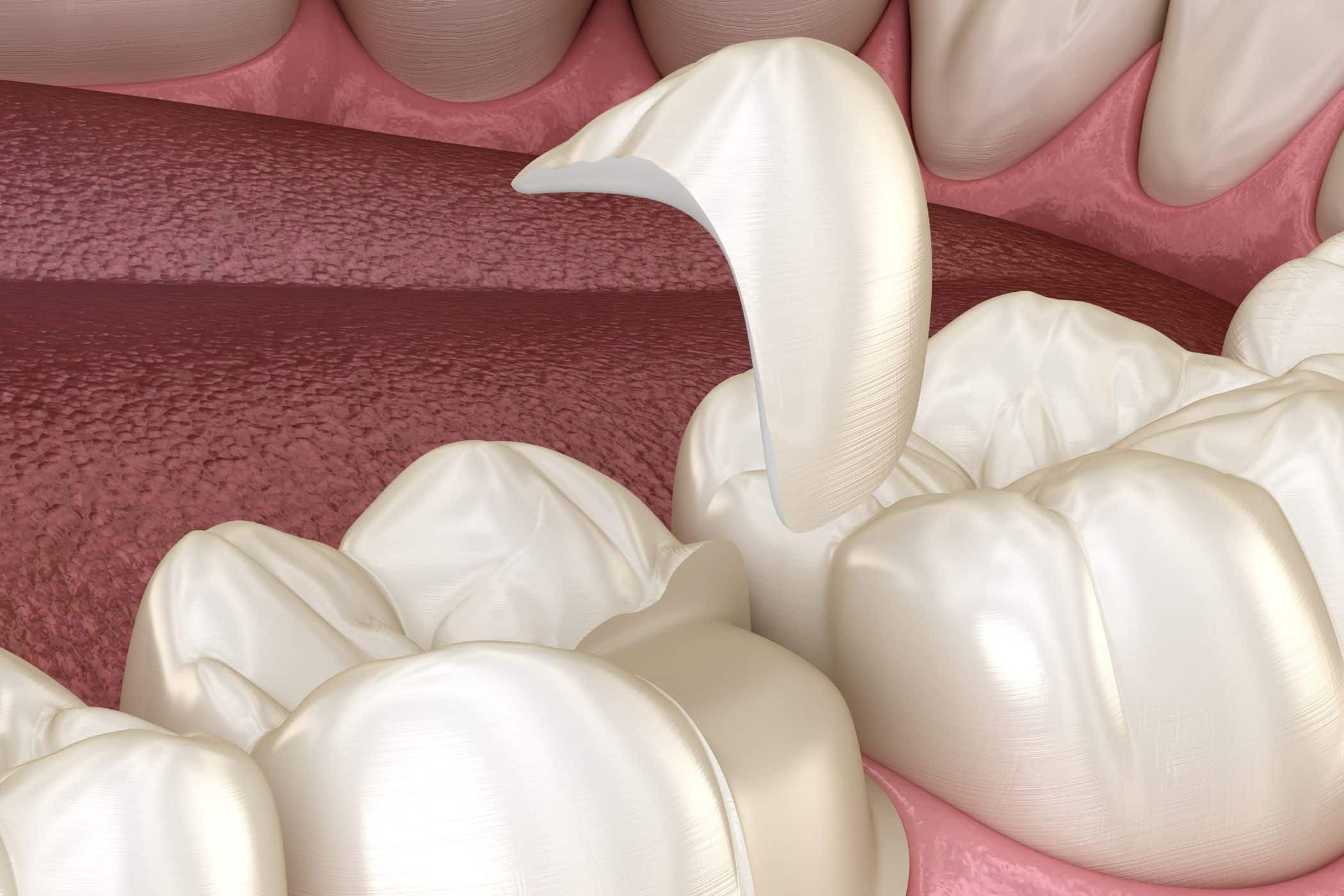
Dental inlays and onlays are popular restorative treatments that provide a reliable solution for damaged or decayed teeth. They offer a middle ground between traditional fillings and crowns, making them a versatile choice for various dental issues. In this blog, we will explore when dental inlays and onlays are the best options, helping you make informed decisions about your dental care.
Understanding Inlays and Onlays
Before delving into their best use cases, it’s essential to understand what dental inlays and onlays are. Both are custom-made restorations created in a dental laboratory and are typically made from materials such as porcelain, composite resin, or gold.
- Inlays are used to repair damage within the cusp tips of a tooth.
- Onlays extend over one or more cusps, providing additional coverage and protection for larger areas of damage.
When to Consider Dental Inlays and Onlays
Here are several scenarios where dental inlays and onlays may be the ideal choice for restoring a tooth:
1. Moderate Tooth Decay
If a tooth has moderate decay that is too extensive for a simple filling but not severe enough to require a crown, an inlay or onlay is often the best solution. These restorations can effectively remove the decayed portion while preserving as much of the healthy tooth structure as possible.
2. Structural Damage
When a tooth is structurally compromised due to cracks, fractures, or significant wear, inlays and onlays can provide the necessary support. They help restore the tooth’s shape, strength, and functionality, allowing for better chewing and biting.
3. Cosmetic Concerns
Inlays and onlays can be an excellent choice for those seeking aesthetic improvements in their smiles. Porcelain or composite resin materials can be color-matched to the surrounding teeth, providing a natural-looking restoration that blends seamlessly. This makes them particularly suitable for visible teeth, where appearance is a priority.
4. Sensitive Teeth
Patients with tooth sensitivity may benefit from inlays and onlays, as these restorations cover the affected areas and help reduce discomfort. The smooth surface of inlays and onlays can also make teeth less susceptible to further sensitivity caused by temperature changes.
5. Long-Term Durability
If you’re looking for a long-lasting solution for tooth restoration, dental inlays and onlays are a great option. With proper care, they can last many years—often longer than traditional fillings—making them a reliable choice for those wanting to avoid frequent dental visits for replacements.
6. Preventive Care
In some cases, dentists may recommend inlays or onlays as a preventive measure. If a tooth shows early signs of wear or damage, placing an inlay or onlay can help strengthen it and prevent further deterioration, thereby extending the tooth’s lifespan.
The Benefits of Dental Inlays and Onlays
Choosing inlays and onlays comes with several advantages, including:
- Preservation of Tooth Structure: Inlays and onlays require less removal of tooth structure compared to crowns, preserving more of your natural tooth.
- Customized Fit: These restorations are custom-made for each patient, ensuring a precise fit and comfortable bite.
- Enhanced Aesthetics: Porcelain and composite materials can match the color of your natural teeth, enhancing your smile.
- Durability: Inlays and onlays are strong and resistant to wear, making them a reliable long-term option.
Conclusion
Dental inlays and onlays are excellent restorative options for patients with moderate decay, structural damage, or cosmetic concerns. By preserving more of the natural tooth and providing long-lasting durability, these treatments can enhance both the function and appearance of your smile. If you think you may benefit from dental inlays or onlays, consult with your dentist to discuss your options and find the best solution for your dental needs.
Recent Posts
October 28, 2026
How Smoking Can Affect Your Dental Implants
October 19, 2026
What Causes Sudden Swelling Around a Tooth? Common Reasons

October 12, 2026
One Family Dentist Beats Five Scattered Appointments Every Time
October 5, 2026
Why Is Plaque Control Important for Your Oral Health?
September 11, 2026