

Blog
Brush and Floss Around Dental Implants
September 11, 2026
Dental implants
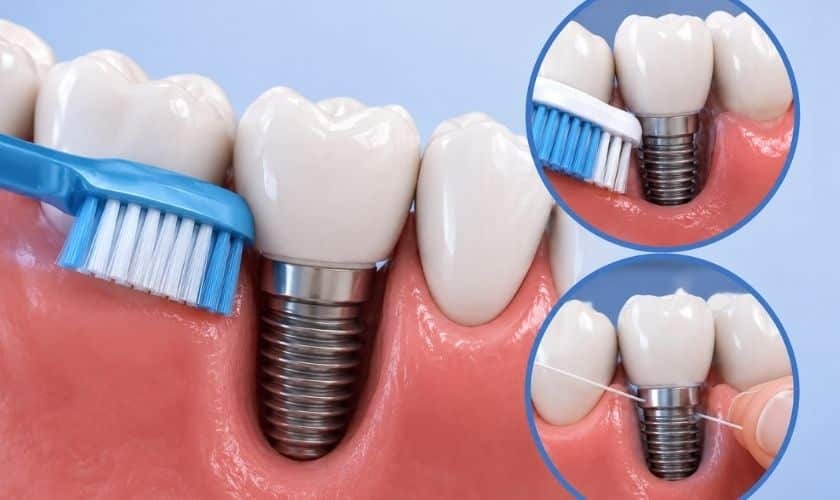
Dental implants are designed to look and function like natural teeth, but they still require consistent daily care. Brushing and flossing around dental implants helps remove plaque, protect the surrounding gums, and support the long-term health of your smile. With the right technique, maintaining an implant can become a simple part of your regular oral hygiene routine.
Why Cleaning Around Dental Implants Matters
Although the implant itself cannot develop a cavity, the gum tissue and bone surrounding it can still be affected by harmful bacteria. Plaque buildup around an implant may contribute to gum inflammation and, if left untreated, more serious problems affecting the tissues that support the implant.
Daily cleaning is especially important in Paradise Valley, where maintaining a healthy smile can be part of an overall commitment to long-term oral health. Regular brushing and flossing can help keep the implant area clean and reduce the accumulation of food particles and bacteria.
How to Brush Around Dental Implants
Use a soft-bristled toothbrush to clean your implant and the surrounding teeth. Hard bristles or aggressive brushing can irritate the gums, so gentle pressure is generally preferred.
Hold the toothbrush at approximately a 45-degree angle toward the gumline and use small, controlled motions. Carefully brush all sides of the implant crown, nearby natural teeth, and the gumline. An electric toothbrush may also be useful for removing plaque effectively while maintaining gentle pressure.
Brush twice each day for about two minutes. Pay particular attention to areas where the implant meets the gum tissue, as plaque can collect along this boundary.
How to Floss Around Dental Implants
Flossing is important because a toothbrush cannot effectively clean every space between teeth and around an implant. Use dental floss designed for implants or another cleaning aid recommended by your dental professional.
Gently guide the floss between the implant and neighboring tooth. Avoid snapping or forcing the floss into the gums. Once positioned, curve it around the sides of the implant crown and move it gently beneath the gumline where appropriate.
For wider spaces, interdental brushes or water flossers may provide additional cleaning. Your dental professional can recommend the option that best fits your implant and gum anatomy.
Other Ways to Keep Implants Clean
Good implant care involves more than brushing and flossing. Rinsing with water after meals can help remove loose food particles. If you use an antimicrobial mouthwash, follow your dental professional’s recommendations regarding the appropriate product and frequency.
Routine dental examinations and professional cleanings are also important. During these visits, the implant and surrounding tissues can be evaluated for signs of inflammation or other concerns.
If you are unsure whether your current cleaning technique is appropriate, you can visit our dental office for personalized guidance. You can also check our patient reviews to learn more about other patients’ experiences.
Common Mistakes to Avoid
Avoid using excessive force when brushing or flossing around an implant. Do not ignore bleeding, persistent swelling, redness, tenderness, or discomfort around the implant. These symptoms may indicate inflammation and should be evaluated by a dental professional.
Consistent home care, combined with professional monitoring, can help protect the gums and supporting structures around your dental implants. With a simple daily routine, you can keep your implant area cleaner and support a healthy, confident smile.
Frequently Asked Questions
- Can I brush a dental implant like a natural tooth?
Yes. Use a soft-bristled toothbrush and gentle movements to clean the implant crown, nearby teeth, and gumline. Avoid applying excessive pressure that could irritate the surrounding gums.
- How often should I floss around dental implants?
Floss around implants at least once daily unless your dental professional recommends another routine. Daily cleaning helps remove plaque and food particles from spaces a toothbrush cannot reach.
- Is special floss needed for dental implants?
Special implant floss, interdental brushes, or water flossers may make cleaning easier. The best option depends on your implant design and the space around it, so professional guidance can help.
- Can water flossers be used around dental implants?
Yes, water flossers can be useful for cleaning around dental implants and along the gumline. Use the appropriate setting and follow your dental professional’s instructions for safe use.
- What happens if I do not clean around my implant?
Poor cleaning can allow plaque and bacteria to accumulate around the implant. This may cause gum inflammation and potentially affect the tissues supporting the implant over time.
- Should I use a hard-bristled toothbrush on implants?
A soft-bristled toothbrush is generally recommended because it cleans effectively while being gentler on the gums. Hard bristles and forceful brushing may cause unnecessary irritation.
- Why are my gums bleeding around my dental implant?
Bleeding may occur because of plaque buildup or gum inflammation around the implant. Persistent or recurring bleeding should be professionally evaluated to identify the underlying cause.
Recent Posts
October 28, 2026
How Smoking Can Affect Your Dental Implants
October 19, 2026
What Causes Sudden Swelling Around a Tooth? Common Reasons

October 12, 2026
One Family Dentist Beats Five Scattered Appointments Every Time
October 5, 2026
Why Is Plaque Control Important for Your Oral Health?
September 11, 2026