

Blog
How Smoking Can Affect Your Dental Implants
October 28, 2026
Dental implants
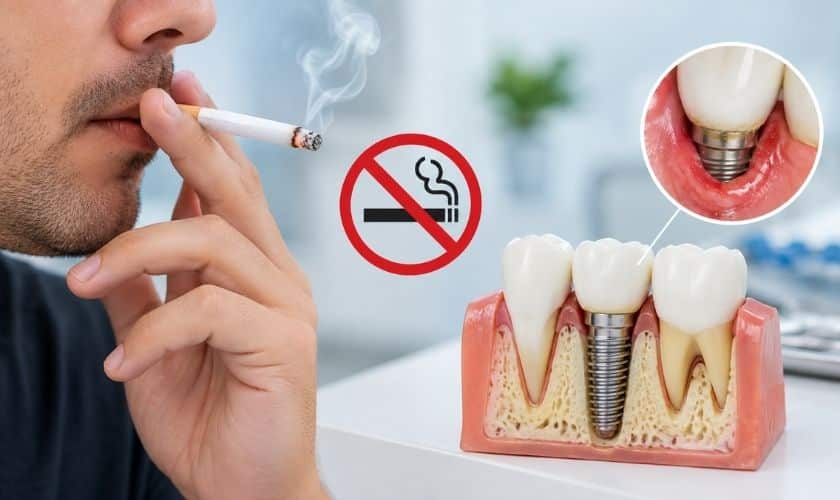
Dental implants are a popular option for replacing missing teeth because they provide stability, support chewing, and help maintain a natural-looking smile. However, certain lifestyle habits can influence how well implants heal and how long they last. Smoking is one of the most important factors to consider before and after implant surgery.
For people in Paradise Valley, understanding the connection between tobacco use and implant health can help them make informed treatment decisions. Smoking does not automatically mean you cannot receive implants, but it can increase complications and make successful healing more difficult.
How Does Smoking Affect Dental Implants?
Dental implants are placed into the jawbone, where they gradually integrate with the surrounding bone through a process called osseointegration. This connection provides the foundation needed to support an artificial tooth.
Smoking introduces nicotine and other harmful chemicals into the body. Nicotine can narrow blood vessels and reduce blood flow to the gums, limiting the oxygen and nutrients needed for tissue repair. As a result, healing after implant surgery may take longer, and the risk of complications can increase.
Tobacco smoke can also affect the immune system and the body’s ability to respond to bacteria. These changes may interfere with healing and increase the likelihood of inflammation around the implant.
5 Ways Smoking Can Harm Dental Implants
1. Slower Healing After Surgery
Following implant placement, the gums and surrounding tissues need time to recover. Smoking can reduce circulation and interfere with normal healing. This may increase the risk of post-surgical complications and delay the process of preparing the implant for its final restoration.
2. Increased Risk of Implant Failure
Successful implants depend on a strong connection between the implant and the jawbone. Smoking has been associated with a higher risk of implant failure, particularly when patients continue smoking during the healing period.
Although many smokers receive successful implants, tobacco use can make predictable healing more challenging. Quitting before surgery and remaining smoke-free during recovery may improve the conditions needed for success.
3. Greater Risk of Gum Inflammation
Healthy gum tissue helps protect the area surrounding a dental implant. Smoking can impair the body’s defense against harmful oral bacteria, increasing the risk of inflammation and infection.
One serious concern is peri-implantitis, a condition involving inflammation around an implant that can damage the supporting bone. Without appropriate treatment, it may eventually cause the implant to become loose.
4. Increased Bone Loss
The jawbone provides essential support for dental implants. Smoking can negatively affect bone health and the body’s ability to maintain healthy tissues. When inflammation develops around an implant, supporting bone may gradually deteriorate.
Bone loss can compromise implant stability and make treatment more complicated. Regular dental monitoring and effective oral hygiene are important for identifying early changes before significant damage occurs.
5. Long-Term Maintenance Challenges
Even after an implant has healed, smoking can continue to affect the surrounding gums and bone. Smokers may have a greater risk of developing complications that require additional treatment.
Maintaining implants requires daily brushing, cleaning between teeth, and professional dental examinations. Avoiding tobacco can help support healthier tissues and reduce some of the risks associated with long-term implant maintenance.
How to Protect Your Dental Implants if You Smoke
Making changes before implant surgery can help create better conditions for healing. Consider these practical steps:
- Stop smoking before surgery: Discuss a suitable quitting timeline with your dental professional. Stopping as early as possible may help improve healing conditions.
- Avoid smoking during recovery: Follow your dentist’s instructions about tobacco use after surgery. Remaining smoke-free throughout healing is especially important.
- Maintain excellent oral hygiene: Brush twice daily with fluoride toothpaste and clean between your teeth every day to control plaque buildup.
- Attend follow-up appointments: Regular examinations allow your dental team to monitor healing, check gum health, and identify early signs of complications.
- Discuss your smoking habits honestly: Your dental professional can assess your individual risk factors and recommend an appropriate treatment and maintenance plan.
If quitting feels difficult, ask a healthcare professional about counseling or evidence-based smoking cessation support.
When Should You Seek Professional Advice?
Persistent bleeding, increasing swelling, pus, worsening pain, or a loose implant requires prompt professional evaluation. These symptoms may indicate infection or another complication that needs treatment.
If you are considering implants, an implant dentist in Paradise Valley can assess your oral health, review your medical and smoking history, and explain the potential benefits and risks of treatment. Individual results depend on factors such as bone health, gum condition, tobacco exposure, and adherence to aftercare instructions.
At Paradise Valley Dental, patients can explore options for replacing missing teeth while learning how everyday habits may affect oral health. Taking preventive steps before treatment can help reduce avoidable risks and support long-term implant maintenance.
Smoking can make implant treatment more challenging, but it does not automatically rule out this option. With professional guidance, consistent oral hygiene, and a commitment to reducing tobacco exposure, patients can make informed choices about protecting their smiles. If you have questions about your suitability for treatment, contact us to discuss your concerns and possible next steps.
Frequently Asked Questions
- Can smokers get dental implants?
Yes, smokers may still qualify for dental implants. However, smoking increases the risk of healing problems, infection, and implant failure. A dental evaluation can help determine individual risks and suitable treatment options.
- How long should I stop smoking before dental implant surgery?
Stopping as early as possible is beneficial. Your dental professional can recommend a timeline based on your health and procedure. Remaining smoke-free during healing is particularly important for reducing complications.
- Does smoking increase the risk of dental implant failure?
Yes, smoking is associated with a higher risk of implant failure because it can impair blood flow, healing, and bone integration. The level of risk varies according to individual health and smoking habits.
- Can smoking cause infection around dental implants?
Smoking can weaken the body’s response to bacteria and interfere with gum healing. This may increase the risk of peri-implant inflammation and infection, potentially damaging the bone supporting an implant.
- Can I smoke after my dental implant has healed?
Smoking after healing can still affect gum health and increase the risk of peri-implantitis and bone loss. Avoiding tobacco remains beneficial for protecting implant stability and surrounding tissues over time.
- Does vaping affect dental implants like smoking?
Vaping may expose oral tissues to nicotine and other chemicals that can affect healing. Research is still developing, so it is best to discuss vaping with your dental professional before implant surgery.
- What are the warning signs of dental implant problems?
Warning signs include persistent pain, swollen or bleeding gums, pus, increasing discomfort, and implant looseness. These symptoms need prompt professional evaluation to identify infection or damage to supporting tissues.
Recent Posts
October 28, 2026
How Smoking Can Affect Your Dental Implants
October 19, 2026
What Causes Sudden Swelling Around a Tooth? Common Reasons

October 12, 2026
One Family Dentist Beats Five Scattered Appointments Every Time
October 5, 2026
Why Is Plaque Control Important for Your Oral Health?
September 11, 2026