

Blog
What Causes Denture Discomfort and Sores?
February 27, 2026
Dentures
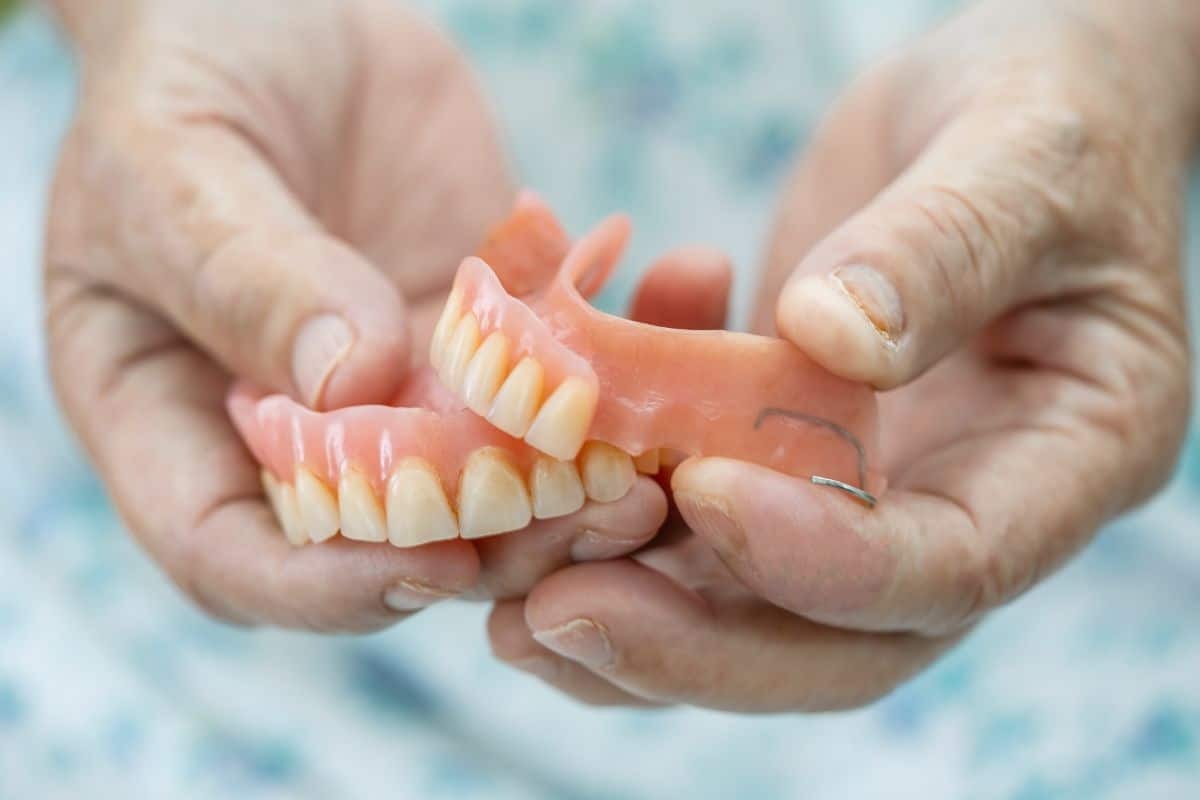
Dentures restore confidence, support daily function, and help many people maintain a comfortable smile. However, some denture wearers experience irritation, sore spots, or discomfort after wearing them for extended periods. While mild irritation can happen during the adjustment period, persistent soreness often signals that something in the oral environment needs attention.
Understanding the reasons behind denture-related discomfort helps patients protect their oral health and prevent worsening symptoms. With the right care and professional guidance, most issues can be corrected quickly and safely.
Common Causes of Denture Discomfort
Several factors can lead to sore gums, pressure points, or irritation from dentures. Identifying the cause early helps prevent complications like inflammation or infection.
Poor Denture Fit
An ill-fitting denture is one of the most common causes of discomfort. Over time, the jawbone and gum tissue naturally change shape. This gradual shift can cause dentures to loosen or create uneven pressure.
Signs of a poor fit may include:
- Pain while chewing
- Dentures slipping during speech
- Red spots on the gums
- Frequent rubbing or friction
When dentures no longer match the natural contours of the mouth, the surrounding soft tissue may develop sore patches.
Gum Irritation and Inflammation
Continuous pressure on delicate gum tissue can cause irritation. If dentures rub repeatedly in the same area, small ulcers or sore spots may form.
Gum inflammation can also develop if dentures are worn for long hours without breaks. The tissue underneath needs time to rest and recover.
The Role of Oral Hygiene
Proper cleaning plays a major role in preventing denture sores. Plaque and bacteria can accumulate on denture surfaces just like natural teeth.
Poor denture hygiene may lead to:
- Gum infections
- Fungal overgrowth
- Denture stomatitis (inflammation of the mouth lining)
Cleaning dentures daily and removing them overnight allows the oral tissues to stay healthier.
Denture Stomatitis at a Glance
| Condition | Common Cause | Symptoms |
|---|---|---|
| Denture Stomatitis | Bacterial or fungal buildup | Redness, burning sensation |
| Pressure Ulcers | Tight or uneven denture fit | Localized sore spots |
| Friction Irritation | Constant rubbing | Tender gum tissue |
Research shows that nearly 65% of denture wearers experience mild irritation at some point, often linked to hygiene or fit adjustments.
Dry Mouth and Denture Discomfort
Saliva plays a protective role in the mouth. It lubricates oral tissues and helps dentures sit comfortably.
When saliva levels drop, dentures may rub more easily against gum tissue. This dryness increases the risk of irritation, soreness, and minor injuries.
Common triggers of dry mouth include:
- Certain medications
- Dehydration
- Natural aging changes
Maintaining hydration and using saliva-supportive strategies can help reduce friction inside the mouth.
Bite Alignment and Jaw Pressure
Improper bite alignment can also contribute to denture discomfort. When the bite force is uneven, certain areas of the gum line experience greater pressure.
In some cases, jaw tension or teeth grinding may worsen irritation. Adjusting how the upper and lower teeth meet can reduce stress on sensitive tissues.
Patients exploring dentures in Paradise Valley, AZ often learn that regular checkups and minor adjustments can significantly improve comfort and stability.
Signs That Denture Sores Need Professional Attention
While mild irritation can occur occasionally, persistent sores should never be ignored. Early intervention prevents deeper tissue damage.
Watch for these warning signs:
- Pain that lasts more than a few days
- Visible ulcers or bleeding areas
- Swelling around denture contact points
- Difficulty chewing or speaking
Dental professionals can evaluate the fit, examine gum health, and recommend appropriate adjustments.
Trending FAQs About Denture Sores
Here are several questions frequently asked online about denture discomfort.
1. Why do my dentures cause sore spots?
Sore spots usually occur when dentures press unevenly on the gums or rub against soft tissue repeatedly.
2. How long does it take to adjust to dentures?
Most people adjust within a few weeks, though minor irritation may occur during the early stages.
3. Can sleeping with dentures cause sores?
Yes. Wearing dentures overnight prevents gum tissue from resting and may increase irritation.
4. What helps heal denture sores faster?
Removing dentures periodically, maintaining good oral hygiene, and ensuring proper denture fit all help promote healing.
5. Is gum redness under dentures normal?
Occasional redness may happen, but persistent inflammation should be evaluated by a dental professional.
Tips to Prevent Denture Irritation
Simple habits can help keep dentures comfortable and reduce the risk of sores.
Helpful practices include:
- Clean dentures thoroughly every day
- Remove them before sleeping
- Rinse the mouth regularly
- Schedule periodic denture evaluations
- Avoid forcing dentures that feel loose or painful
Consistent care helps preserve both denture function and gum health.
When to Seek Professional Guidance
Persistent soreness should never be ignored. Oral tissues change gradually, and dentures sometimes require adjustments to maintain comfort and stability.
If irritation continues or worsens, a dental professional can assess the underlying cause and recommend appropriate solutions. if you are searching for a dentist near you, understanding the relationship between oral structure, bite alignment, and prosthetic appliances can help you make informed decisions about long-term dental care.
Denture discomfort and sores are usually the result of fit issues, gum irritation, or hygiene concerns. The good news is that most of these problems are manageable with proper care and professional evaluation. Paying attention to early symptoms helps prevent complications and keeps daily activities comfortable.
If soreness persists or dentures no longer feel stable, a professional evaluation can provide clarity and relief. Taking proactive steps today supports healthier gums, improved function, and a confident smile.
Recent Posts
October 28, 2026
How Smoking Can Affect Your Dental Implants
October 19, 2026
What Causes Sudden Swelling Around a Tooth? Common Reasons

October 12, 2026
One Family Dentist Beats Five Scattered Appointments Every Time
October 5, 2026
Why Is Plaque Control Important for Your Oral Health?
September 11, 2026