Blog
Dental Fillings and Sensitivity: What to Know?
December 26, 2024
Dental Filling
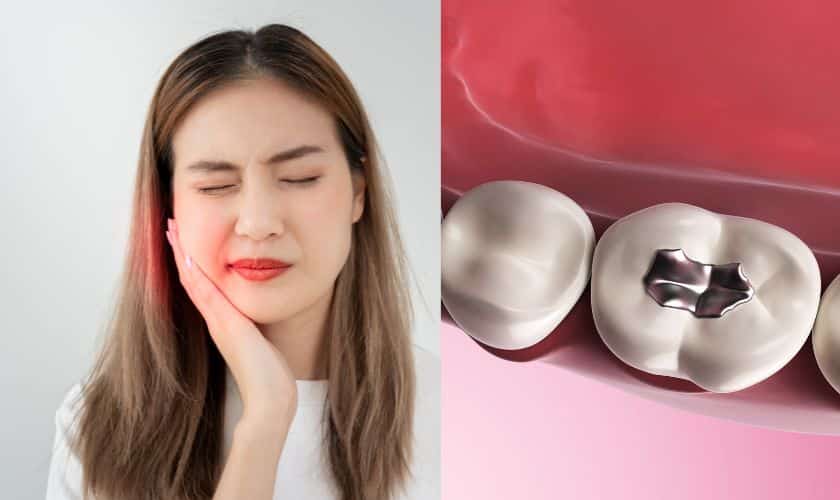
Dental fillings are a common and effective way to restore teeth damaged by decay or fractures. They play a crucial role in maintaining oral health and preventing further complications. However, it’s not uncommon to experience some sensitivity after getting a filling. This blog explores the causes of sensitivity after fillings, what to expect, and how to manage it effectively.
Understanding Tooth Sensitivity:
Tooth sensitivity occurs when the dentin, the layer beneath the enamel, becomes exposed. Dentin contains microscopic tubules that lead directly to the nerve center of the tooth. When stimulated by hot, cold, sweet, or acidic foods and drinks, these tubules can trigger discomfort or a sharp, shooting pain.
Causes of Sensitivity After Dental Fillings:
Several factors can contribute to tooth sensitivity following a filling:
- Irritation of the Dentin: The drilling process used to remove decay can irritate the dentin, leading to temporary sensitivity.
- Change in Tooth Height: Sometimes, a dental filling can slightly alter the height of your tooth, affecting the way it bites together. This can trigger temporary sensitivity until your bite adjusts.
- Proximity to the Nerve: If a cavity is deep and close to the nerve, the filling material may irritate the nerve, causing more prolonged sensitivity.
- Material Used: Certain types of filling materials, like metal fillings, can conduct heat and cold more readily, potentially increasing sensitivity.
What to Expect:
Sensitivity after a dental filling is usually mild and temporary. It typically subsides within a few days to a week as the dentin heals and adjusts to the filling. However, if the sensitivity is severe or persists for more than a few weeks, it’s important to see your dentist to rule out any underlying issues.
Managing Sensitivity After Fillings:
Here are some tips to manage sensitivity after getting a filling:
- Use Desensitizing Toothpaste: These kinds of toothpaste contain ingredients like potassium nitrate or stannous fluoride that help block the tubules in the dentin, reducing sensitivity.
- Choose Sensitive Foods and Beverages: Avoid very hot, cold, sweet, or acidic foods and beverages for the first few days after getting a filling.
- Over-the-counter Pain Relievers: Over-the-counter pain relievers like ibuprofen or acetaminophen can help manage any discomfort you might experience.
- Gentle Brushing: Brush your teeth gently with a soft-bristled toothbrush and avoid using harsh scrubbing motions.
- Floss Regularly: Continue flossing daily to maintain good oral hygiene and prevent further irritation.
When to See Your Dentist:
If your tooth sensitivity is severe, persists for more than a few weeks, or is accompanied by other symptoms like throbbing pain, swelling, or fever, consult your dentist immediately. These could be signs of a deeper infection or other complications requiring additional treatment.
Preventing Sensitivity:
Here are some strategies to prevent tooth sensitivity before and after getting a filling:
- Maintain Good Oral Hygiene: Regular brushing, flossing, and professional cleanings can help prevent cavities and the need for fillings in the first place.
- Inform Your Dentist: Let your dentist know about any existing sensitivity you experience before getting a filling. They may use techniques or materials to minimize sensitivity.
- Diet: Limit your intake of sugary and acidic foods and drinks, which can contribute to tooth sensitivity.
- Nightguards: If you grind or clench your teeth at night (bruxism), talk to your dentist about using a nightguard to protect your teeth and reduce sensitivity.
Living Comfortably with Dental Fillings:
Dental fillings are an essential tool for maintaining oral health and a healthy smile. While tooth sensitivity after fillings can occur, it’s usually temporary and manageable with the right approach. By understanding the causes of sensitivity, practicing good oral hygiene, and following your dentist’s recommendations, you can minimize discomfort and enjoy a healthy, comfortable smile.