Blog
Do Dental Implants Cause Sinus Problems?
April 3, 2026
Dental implants
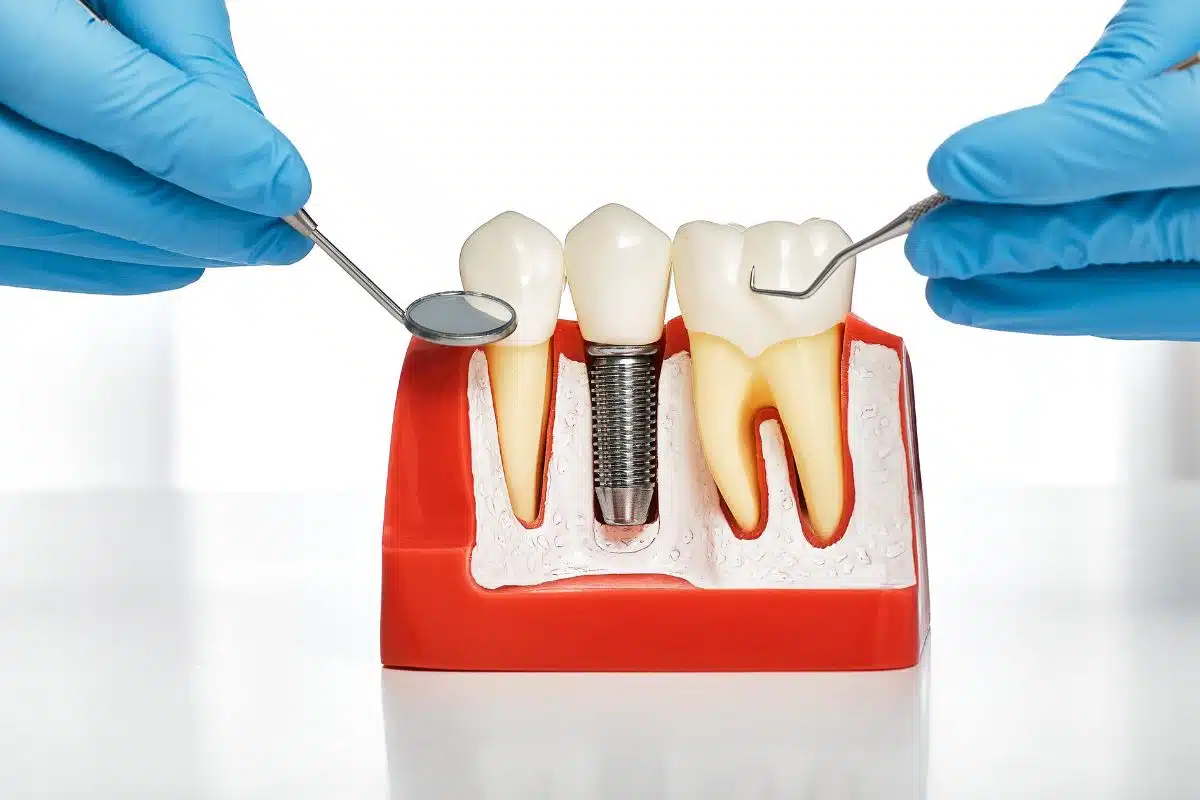
Dental implants are widely trusted for restoring missing teeth with strength and stability. Still, many people worry about possible complications, especially when implants are placed in the upper jaw. One common concern is whether implants can affect the sinuses. Understanding how implants interact with your anatomy can help you feel confident and informed before making a decision.
Understanding the Relationship Between Implants and Sinuses
The upper back teeth sit close to the maxillary sinuses. These air-filled spaces are located just above the roots of molars and premolars. When a tooth is lost, the bone in that area can shrink over time. This may bring the sinus cavity even closer to where an implant would be placed.
Because of this proximity, dental professionals carefully evaluate the bone structure before placing an implant. Advanced imaging and precise planning ensure that implants are positioned safely without disturbing the sinus cavity.
Can Dental Implants Actually Cause Sinus Problems?
In most cases, dental implants do not cause sinus problems. They are designed to integrate with the jawbone and remain stable for years. However, in rare situations, complications may arise if the sinus membrane is affected during placement.
Possible issues include:
- Sinus irritation or inflammation
- Temporary sinus pressure
- Implant protrusion into the sinus cavity (very rare with proper planning)
These risks are minimized when the procedure is performed by an experienced dental professional using modern techniques.
Why Proper Planning Matters
Before placing implants in the upper jaw, dentists often conduct detailed scans. These scans help assess bone density and sinus position. If the bone is too thin, additional procedures like sinus lifts may be recommended to create a safe foundation.
This is one of the key reasons people often ask about the benefits and long-term outcomes—essentially, what makes implants a preferred solution for missing teeth. When done correctly, implants not only restore function but also preserve bone and prevent further oral health issues.
Signs of Sinus Issues After Dental Implants
Although uncommon, it’s helpful to know the signs that may indicate a sinus-related concern:
- Persistent sinus pressure or congestion
- Pain near the implant site extending to the cheek or eyes
- Nasal discharge or unusual taste
- Headaches that don’t improve
If any of these symptoms appear, it’s important to consult a dental professional promptly for evaluation.
Prevention: How Dentists Avoid Sinus Complications
Modern dentistry has significantly reduced the risk of sinus complications. Here’s how:
Advanced Imaging
3D scans allow precise visualization of the jaw and sinus cavity.
Guided Implant Placement
Computer-guided techniques ensure accurate positioning.
Bone Grafting or Sinus Lift (When Needed)
These procedures create adequate space and support for implants.
Personalized Treatment Plans
Each patient receives a tailored approach based on their anatomy and oral health.
Implant Success Rates and Safety
| Factor | Insight |
|---|---|
| Success rate of implants | 95%+ in healthy patients |
| Risk of sinus complications | Very low with proper planning |
| Healing time | Typically a few months |
| Long-term durability | Can last decades with care |
These statistics highlight that dental implants are a safe and predictable solution when handled by experienced professionals.
Are You a Candidate for Upper Jaw Implants?
Not everyone has the same bone structure. Some people naturally have thinner bone in the upper jaw. Others may have experienced bone loss due to missing teeth or gum disease.
A consultation helps determine whether implants are suitable and whether additional preparation is needed. During this process, your dentist evaluates your medical history, oral health, and sinus anatomy to ensure optimal outcomes.
In many cases, patients considering dental implants in Paradise Valley, AZ find that proper evaluation and planning eliminate most concerns about sinus-related risks.
Trending FAQs
- Can dental implants go into the sinus cavity?
Rarely. Proper planning prevents implants from entering the sinus. - Do implants cause chronic sinus infections?
No. Infections are uncommon and usually linked to improper healing or placement. - Is sinus pain normal after dental implants?
Mild discomfort may occur temporarily, but persistent pain should be checked. - How do dentists prevent sinus complications?
Through imaging, guided placement, and bone support procedures if needed. - Can a sinus lift make implants safer?
Yes. It creates space and improves stability in the upper jaw.
Making an Informed Decision
Choosing the right tooth replacement option involves understanding both the benefits and potential risks. Many patients wonder about the long-term advantages and often ask themselves about the overall value of implants compared to other solutions. With proper care, implants offer durability, improved function, and a natural look.
If you are searching for a reliable dentist near Paradise Valley, it’s important to choose someone who prioritizes careful planning, advanced technology, and patient education. This ensures that every step—from consultation to placement—is handled with precision and care.
Dental implants are a safe and effective way to restore missing teeth, even in areas close to the sinuses. While concerns about sinus problems are understandable, modern techniques and thorough planning make such complications rare. By working with an experienced dental professional and following recommended care guidelines, you can enjoy long-lasting results and improved oral health.
If you’re considering dental implants and want personalized guidance, schedule an appointment today to take the next step toward a healthier, more confident smile.