

Blog
Can Diabetes Affect Dental Implant Success?
March 13, 2026
Dental implants
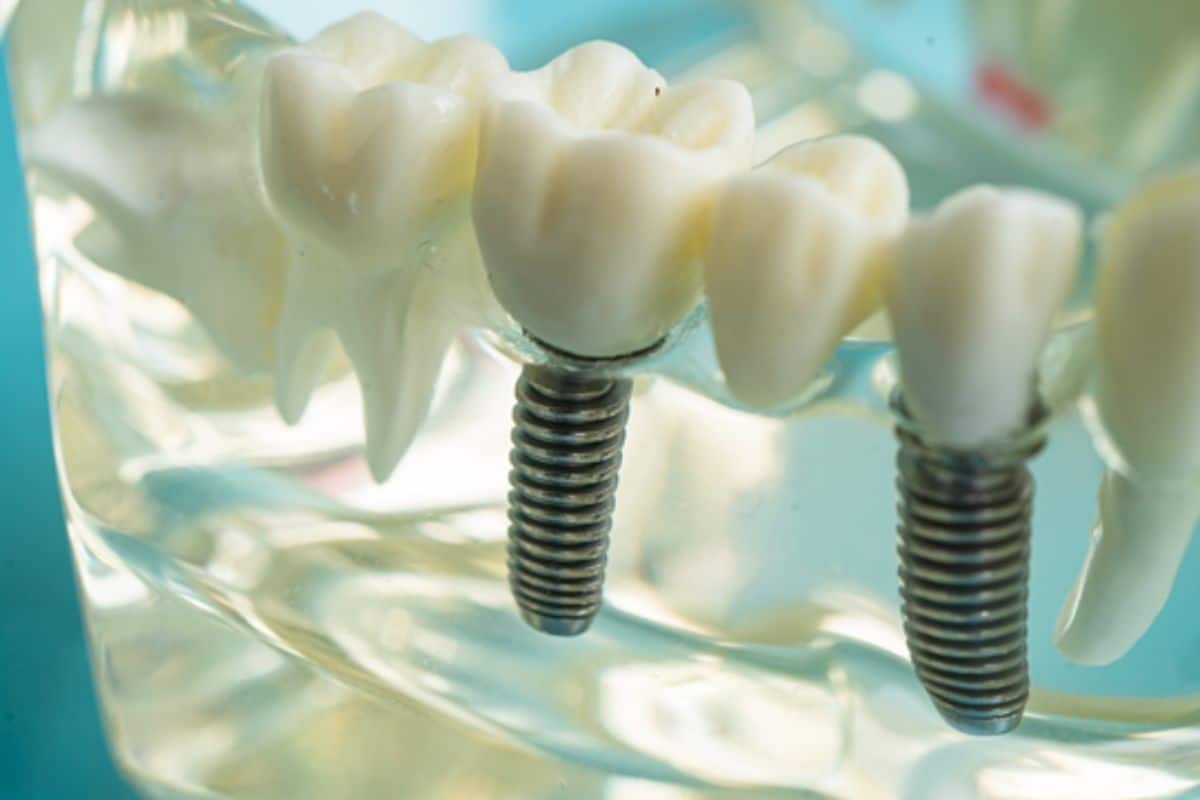
Living with diabetes often means extra attention to every aspect of health. Missing teeth can add another layer of concern, especially when considering tooth replacement options. The good news is that dental implants remain a strong choice for many people with diabetes. Proper management makes all the difference in achieving stable, long-term results.
Understanding the Link Between Diabetes and Oral Health
Diabetes changes how the body handles inflammation and healing. High blood sugar levels affect blood vessels and reduce oxygen delivery to tissues. This process directly influences the gums and jawbone. Poorly controlled glucose increases the chance of gum disease and slower recovery after any oral procedure. Yet controlled diabetes keeps these risks closer to those seen in non-diabetic patients.
How Diabetes Impacts Osseointegration and Healing
Osseointegration is the process where the implant fuses with the jawbone. Diabetes can slow this fusion because elevated glucose impairs bone cell activity and collagen production. Microvascular changes also limit nutrient flow to the surgical site. As a result, early healing may take longer. Immune response weakens too, raising the possibility of infection around the implant site.
Peri-implantitis becomes a bigger concern when blood sugar stays high. This inflammatory condition attacks the tissues supporting the implant and can lead to bone loss if left unchecked. Stable glycemic levels help maintain healthy blood flow and support normal bone remodeling around the implant.
Success Rates: What the Research Shows
Studies consistently show that well-controlled diabetes does not significantly lower implant success. Survival rates often match those of non-diabetic patients when HbA1c stays below 8 percent. Early failures drop dramatically with good metabolic control. Late complications such as marginal bone loss stay minimal too.
Here is a clear overview of typical outcomes:
| Glycemic Control Level | Approximate Implant Success Rate | Key Risks |
|---|---|---|
| Well-controlled (HbA1c <8%) | 95% or higher | Minimal; similar to non-diabetics |
| Poorly controlled | 85-90% | Higher peri-implantitis, delayed healing |
These numbers come from multiple clinical reviews tracking patients over one to five years. The data highlight one clear takeaway: glycemic control matters more than the diabetes diagnosis itself.
Key Factors That Influence Implant Outcomes
Several elements play a role beyond blood sugar numbers. Duration of diabetes, presence of other conditions, and overall oral hygiene all contribute. Smoking compounds the challenge by further restricting blood flow. Regular dental visits allow early detection of any soft-tissue changes. Collaboration between your endocrinologist and dental team ensures coordinated care before, during, and after placement.
Many patients find that our dental implant procedure in Paradise Valley, AZ incorporates these comprehensive evaluations to tailor every step to individual health needs. Advanced imaging helps map bone quality precisely, while customized healing protocols support steady integration.
Practical Steps to Maximize Your Chances of Success
Start with open conversations. Share recent lab results with your dental provider. Aim for the tightest safe glucose range your physician recommends. Maintain excellent daily hygiene using soft brushes and antimicrobial rinses. Schedule more frequent professional cleanings to monitor peri-implant tissues closely. Follow post-surgical instructions exactly, including any prescribed antibiotics or anti-inflammatory measures. These habits create the best environment for implants to thrive.
Trending FAQs About Diabetes and Dental Implants
Here are answers to the most common questions people search for online:
- Can people with diabetes get dental implants? Yes. Well-controlled diabetes is not a barrier. Many patients enjoy full function and confidence after placement.
- What is the success rate of dental implants in diabetic patients? Rates reach 95 percent or higher when HbA1c remains under 8 percent, matching non-diabetic outcomes in most studies.
- Does diabetes slow implant healing? It can. Stable blood sugar speeds recovery and supports stronger bone attachment.
- How does diabetes affect osseointegration? High glucose may reduce bone-to-implant contact initially, but good control restores normal integration timelines.
- What precautions should diabetics take before and after implant surgery? Optimize glucose levels, quit smoking, follow a strict oral hygiene routine, and attend all follow-up visits.
If you are searching for a dentist near you who understands these specific health dynamics, choosing a team experienced with medically complex cases makes a real difference in long-term results.
Diabetes does not have to limit your options for restoring a healthy, functional smile. With stable blood sugar, attentive care, and close medical-dental teamwork, implants can deliver reliable, lasting success. Take the next step toward improved confidence and comfort. Reach out to schedule an appointment.
Recent Posts
October 28, 2026
How Smoking Can Affect Your Dental Implants

October 19, 2026
What Causes Sudden Swelling Around a Tooth? Common Reasons

October 12, 2026
One Family Dentist Beats Five Scattered Appointments Every Time

October 5, 2026
Why Is Plaque Control Important for Your Oral Health?
September 11, 2026