

Blog
The Role of Antibiotics in Dental Implant Recovery
September 19, 2025
Dental implants
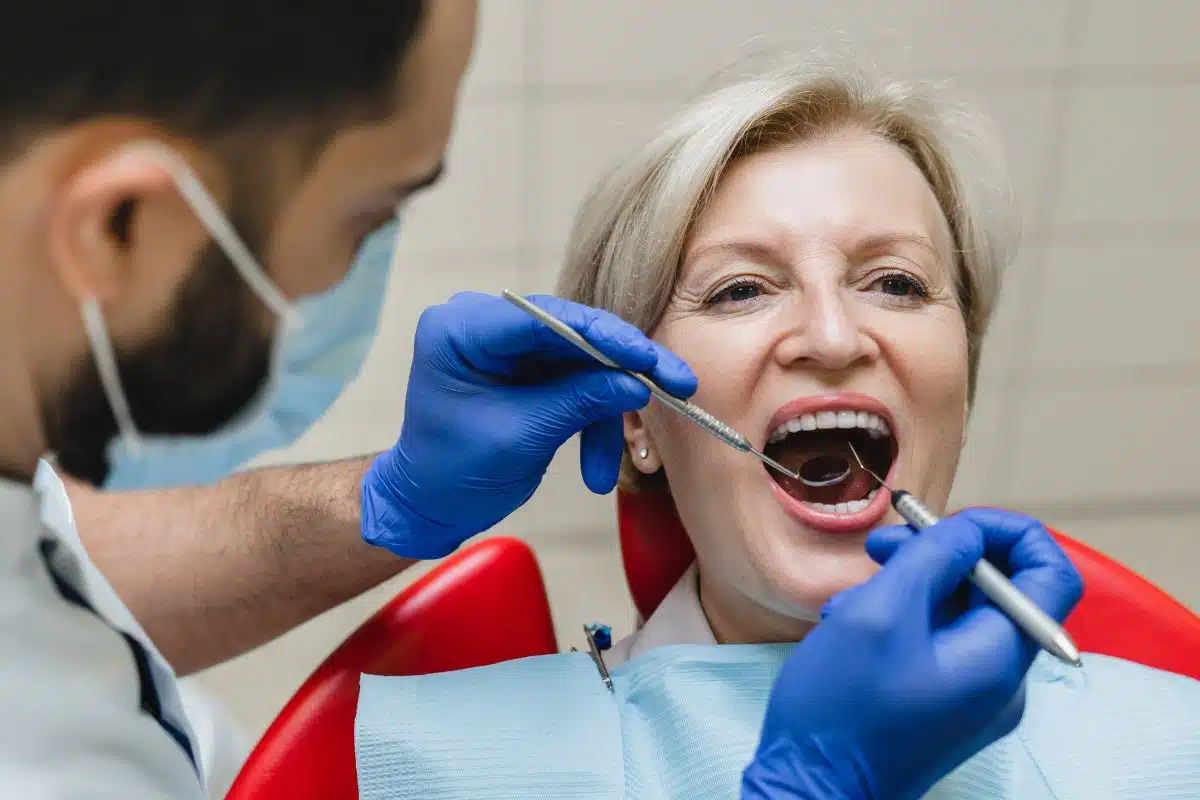
Picture this: You’ve just stepped out of surgery with a new foundation for your smile. Excitement bubbles up, but so does a nagging worry about healing. What if infection sneaks in? That’s where antibiotics enter the scene. They act as silent guardians during the vulnerable early days of recovery. In this post, we’ll unpack their importance, ease your mind on common fears, and arm you with practical steps. Whether you’re prepping for surgery or mid-healing, these insights will guide you toward a seamless outcome. Let’s dive in and make your recovery feel less like a mystery and more like a well-planned adventure.
What Are Dental Implants and Why Focus on Recovery?
Dental implants mimic natural tooth roots. They use titanium posts fused into the jawbone. This process, called osseointegration, anchors crowns or bridges securely. Patients often choose them for their durability and natural feel. Recovery starts right after placement. Swelling peaks in 48 hours. Soft foods ease the load. Gentle rinses keep things clean. But the real magic happens beneath the surface. Bone grows around the post over 3-6 months. Disruptions like bacteria can derail this. That’s why proactive care shines. Local practices emphasize personalized plans. They blend advanced imaging with patient chats to tailor every step. Feel empowered knowing recovery isn’t one-size-fits-all.
The Stages of Dental Implant Recovery
Healing unfolds in phases. Immediately post-op, rest dominates. Ice packs tame inflammation. Pain meds handle discomfort. By day three, energy returns. Most resume light work. Week two brings steady progress. Gums firm up. Full integration takes patience. Osseointegration demands a sterile environment. Bacteria thrive in warmth and moisture. Jawbone remodeling accelerates with good habits. Avoid smoking. It constricts blood flow. Stay hydrated. It flushes toxins. Follow-up visits track fusion via X-rays. These check-ins catch issues early. In arid spots like the Southwest, dry air can dry out tissues. Humidifiers help. Moist environments foster quicker tissue repair. Track your symptoms daily. Note changes. Share them with your team.
Why Antibiotics Play a Key Role in Prevention
Antibiotics target bacteria that could invade surgical sites. They slash infection risks during osseointegration. Studies show preoperative doses boost survival rates. Without them, early failures climb. Think of them as a shield. They allow bone to bond uninterrupted. High-risk cases benefit most. Those include smokers or diabetics. Compromised immunity ups stakes. Prophylaxis curbs complications like peri-implantitis. This inflammatory condition erodes bone. Early intervention preserves the implant. Not every case needs them. Routine placements often skip routine use. Guidelines favor targeted approaches. This cuts overuse. Responsible prescribing builds trust. Patients report fewer setbacks. Smoother paths to that final crown.
For those eyeing options in the area, dental implants in Paradise Valley, AZ, draw folks with their blend of precision and scenic recovery vibes. Desert breezes aside, the focus stays on tailored protocols that speed healing.
Common Types of Antibiotics for Implant Patients
Amoxicillin leads the pack. It’s broad-spectrum. Effective against oral flora. A 3-gram dose pre-op works wonders. Clindamycin steps in for penicillin-allergic folks. It covers anaerobes well. Azithromycin offers a shorter course. Three days suffice sometimes. Choices hinge on health history. Allergies? Disclose them upfront. Alternatives prevent reactions. Dentists review interactions. Some meds clash with blood thinners. Timing matters. Take doses evenly. Finish the script. Skipping invites resistance. Probiotics pair nicely. They restore gut balance. Yogurt aids too. Consult first. These picks align with evidence. They promote clean healing without excess.
Duration and Timing: How Long to Take Antibiotics
Most regimens last 7-10 days. This covers the acute phase. Bacteria peak early. Coverage wanes as tissues knit. Start pre-op for best results. A single dose hours before cuts risks. Post-op continues the guard. Taper as prescribed. Don’t extend solo. Overuse breeds superbugs. Track intake. Set reminders. Pair with meals to ease stomach upset. Hydrate plenty. It aids absorption. If symptoms linger, call in. Red flags include fever or pus. Swift tweaks keep things on track. Patience pays. By week two, many ditch meds. Focus shifts to nutrition. Protein fuels repair. Vitamin C bolsters immunity.
Risks, Side Effects, and Smart Precautions
Antibiotics aren’t flawless. Nausea hits some. Diarrhea disrupts. Rare allergies flare. Monitor closely. Allergic history? Test ahead. They impact birth control. Backup methods matter. For estrogen pills, switch temporarily. Probiotics mitigate gut woes. Yogurt or supplements help. Avoid alcohol. It amps side effects. Sun sensitivity rises too. Slather sunscreen. In sunny locales, this tip saves skin. Overuse worries loom larger. Global resistance grows. Targeted use fights back. Discuss needs openly. Alternatives like chlorhexidine rinses shine. They curb bacteria sans pills. Balance benefits. Weigh personal factors. Informed choices yield best results.
Antibiotic Impact: Key Statistics at a Glance
Data underscores their value. Here’s a quick look at infection and success trends:
| Scenario | Infection Rate | Implant Success Rate | Source Insight |
|---|---|---|---|
| No Antibiotics | 5-8% | 92% | Systematic review of 11,000+ implants |
| Preoperative Antibiotics | 1-3% | 95-98% | Meta-analysis on incision types |
| Penicillin Allergy (Alternatives) | 10-17% failure risk | 83-85% | Allergy cohort studies |
| Postoperative Only | 3-5% | 94% | Prophylaxis trials |
These figures highlight prevention’s edge. Lower infections mean fewer revisions. Tailor to your profile for peak outcomes.
Trending FAQs on Antibiotics and Implant Recovery
Curious minds search these often. Based on common queries, here’s the scoop:
- How long should I take antibiotics after a dental implant? Typically 7-10 days. This shields the initial healing window. Finish the course to avoid resistance.
- Are antibiotics always necessary after implant surgery? No. They’re routine for high-risk cases like bone grafts. Healthy patients may skip them under guidelines.
- What if I’m allergic to penicillin? Clindamycin or azithromycin substitute effectively. Share your history pre-op for safe swaps.
- Do antibiotics affect birth control during recovery? Yes, some like amoxicillin can. Use backups until the course ends, then resume normally.
- Can antibiotics prevent implant failure long-term? They guard early stages. Osseointegration success hinges more on oral hygiene post-healing.
These answers stem from clinical consensus. They tackle real worries head-on.
If you are searching for a “dentist near you,” consider holistic care that grows with your loved ones.
Recovery thrives on knowledge. You’ve got the tools now. Antibiotics aren’t the whole story. They complement rest, nutrition, and check-ups. Embrace the process. Your radiant grin awaits.
Ready to chat implants or recovery tweaks? Call 480-998-7775 to schedule an appointment today. Let’s craft your success story together.
Recent Posts
April 24, 2026
Can I Get Dentures if I Have Sensitive Gums?
April 17, 2026
How Do I Choose a Dental Implants Provider in Paradise Valley?

April 10, 2026
Does Invisalign Work for Open Bite Correction?
April 3, 2026
Do Dental Implants Cause Sinus Problems?
March 27, 2026