

Blog
What is the Process for Getting a Dental Bridge?
February 28, 2024
Dental Care
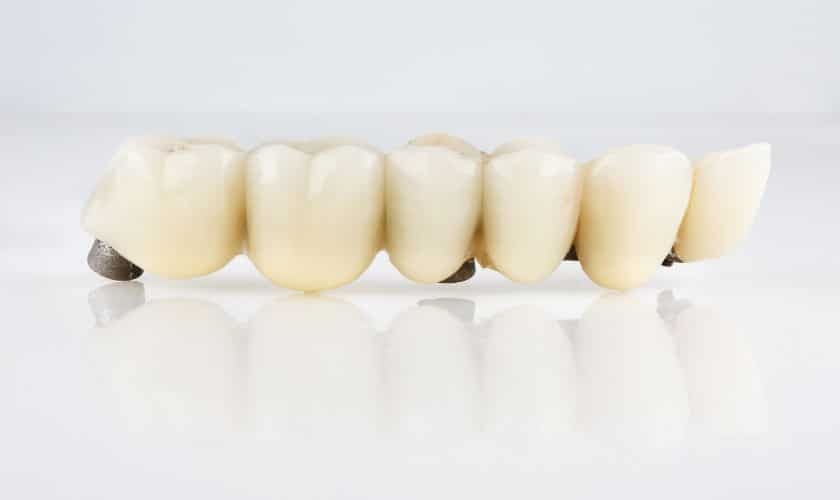
Dental bridges are a popular solution for replacing missing teeth, and restoring both function and aesthetics to your smile. But what does the process for getting a dental bridge entail? Let’s delve into the steps involved in this transformative dental procedure.
1. Initial Consultation:
The journey to getting a dental bridge begins with an initial consultation with your dentist. During this visit, your dentist will examine your oral health, assess the condition of neighboring teeth, and discuss your treatment goals.
2. Treatment Planning:
Based on the evaluation, your dentist will develop a customized treatment plan tailored to your specific needs. This plan will outline the type of dental bridge recommended, the number of appointments required, and the estimated cost of the procedure.
3. Tooth Preparation:
Before the dental bridge can be placed, the teeth adjacent to the gap (abutment teeth) must be prepared. This involves reshaping these teeth to create space for the bridge and ensure a proper fit. Your dentist will numb the area with local anesthesia to ensure your comfort during this process.
4. Impression Taking:
Once the abutment teeth are prepared, impressions of your teeth and gums will be taken. These impressions serve as a blueprint for creating your custom dental bridge. Depending on the dental practice, traditional impressions or digital scans may be used to capture the necessary details.
5. Temporary Bridge Placement:
While your permanent dental bridge is being fabricated in a dental laboratory, your dentist may place a temporary bridge to protect the prepared teeth and maintain aesthetics. This temporary bridge will be removed once the permanent bridge is ready for placement.
6. Bridge Fitting and Adjustment:
Once the permanent bridge is fabricated, you’ll return to the dental office for its placement. Your dentist will carefully fit the bridge onto the prepared abutment teeth, ensuring proper dental alignment and bite. Any necessary adjustments will be made to ensure a comfortable fit.
7. Final Placement:
With the bridge properly fitted and adjusted, it’s time for its final placement. Your dentist will use dental cement to securely bond the bridge to the abutment teeth, completing the restoration. You’ll leave the dental office with a fully functional and natural-looking smile.
8. Follow-Up Care:
After getting your dental bridge, your dentist will provide instructions on how to care for it properly. This may include regular brushing and flossing, as well as routine dental check-ups to ensure the longevity of your restoration.
Conclusion:
The process for getting a dental bridge involves several steps, from initial consultation to final placement. By working closely with your dentist and following their guidance, you can achieve a restored smile that not only looks great but also functions optimally, enhancing your overall oral health and well-being.
Recent Posts
October 28, 2026
How Smoking Can Affect Your Dental Implants

October 19, 2026
What Causes Sudden Swelling Around a Tooth? Common Reasons

October 12, 2026
One Family Dentist Beats Five Scattered Appointments Every Time

October 5, 2026
Why Is Plaque Control Important for Your Oral Health?
September 11, 2026