

Blog
How to Reduce Swelling After Implant Placement
June 18, 2025
Dental implants
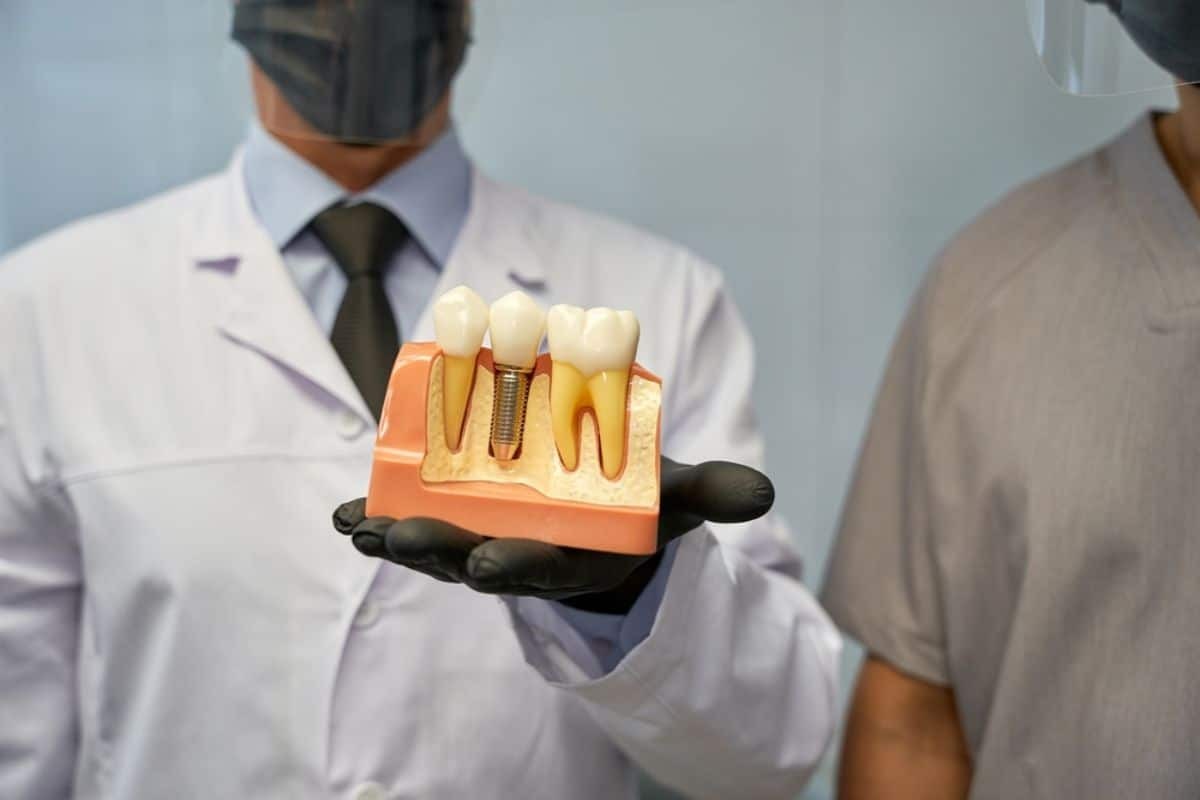
Swelling after dental implant placement is a normal part of the healing process. It’s your body’s natural response to surgery, but managing it effectively can make a big difference in your comfort and recovery. Whether you’re new to the idea of implants or preparing for your procedure, knowing how to minimize swelling can help you feel more confident. This blog will guide you through practical tips, expert advice, and recovery insights to ensure a smoother experience after implant surgery. Let’s dive into the steps you can take to reduce swelling and promote healing.
Understanding Swelling After Implant Surgery
Swelling is common after dental implant placement in Paradise Valley. It typically starts within the first 24-48 hours and peaks around day two or three. This reaction occurs as your body works to repair tissues and integrate the implant with your jawbone. Factors like the extent of surgery, individual healing rates, and post-operative care can influence swelling. Oral surgeons often note that proper management can prevent complications like prolonged discomfort or infection. Knowing what to expect sets the stage for a proactive recovery plan.
Effective Tips to Reduce Swelling
Apply Cold Compresses
Use a cold pack or ice wrapped in a cloth. Apply it to your cheek for 10-15 minutes at a time. Take breaks every hour during the first 24-48 hours. This reduces blood flow to the area, minimizing inflammation. Avoid direct ice contact to prevent skin irritation.
Keep Your Head Elevated
Sleep with an extra pillow or two. Elevating your head keeps fluid from pooling in your face. Do this for the first few nights after surgery. It’s a simple yet effective way to control swelling.
Stay Hydrated and Rest
Drink plenty of water to support healing. Avoid strenuous activities like exercise for at least 48-72 hours. Rest allows your body to focus energy on recovery. Dehydration can worsen swelling, so keep a water bottle handy.
Follow Medication Guidelines
Your dentist may prescribe anti-inflammatory medication or pain relievers. Take them as directed. These help manage swelling and discomfort. Never adjust dosages without consulting your oral surgeon.
Avoid Irritants
Steer clear of smoking, alcohol, and spicy foods. These can increase inflammation and delay healing. Stick to a soft diet like yogurt or mashed potatoes for the first few days. Your oral health will thank you.
When to Contact Your Dentist
Swelling should gradually decrease after 48-72 hours. If it worsens, spreads, or comes with fever or severe pain, call your dentist. These could signal infection or other issues. Early intervention prevents complications. Trust your instincts and seek advice if something feels off.
Long-Term Care for Optimal Healing
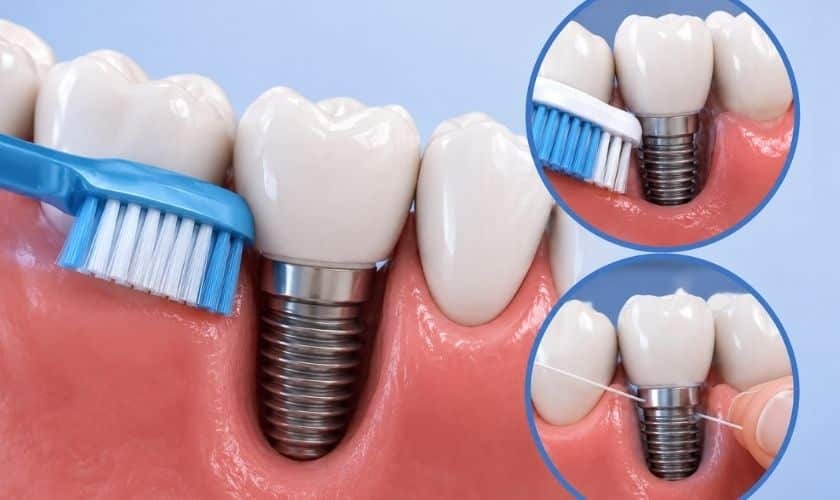
After the initial swelling subsides, focus on oral hygiene. Gently brush and rinse with a saltwater solution as recommended. This prevents infection, which can cause secondary swelling. Schedule follow-up appointments to monitor implant integration and jawbone health. Consistent care ensures long-term success.
Trending FAQs on Reducing Swelling After Implant Placement
People often have questions about managing swelling post-surgery. Here are some trending FAQs based on common searches:
- How long does swelling last after dental implant surgery? Swelling typically lasts 3-7 days, peaking around day two or three, then gradually subsides with proper care.
- Is it normal to have swelling after dental implants? Yes, it’s a normal part of healing, but excessive or prolonged swelling needs a dentist’s attention.
- What can I do to reduce swelling after dental implant surgery? Use cold compresses, elevate your head, stay hydrated, rest, and follow medication instructions.
- Can I use heat to reduce swelling after dental implants? No, use cold compresses for the first 48 hours; heat can increase swelling. Switch to warm compresses only after day two if advised.
- When should I worry about swelling after dental implants? Contact your dentist if swelling worsens after 72 hours, or if you notice fever, pus, or intense pain.
These answers address user intent and provide clear, actionable guidance.
Special Considerations for Dental Implants in Paradise Valley, AZ
Living in a warm climate like Paradise Valley can affect recovery. Heat can exacerbate swelling, so indoor rest with air conditioning is key. Local dental practices often emphasize personalized care plans. If you’re searching for “dental implants near me“, consider consulting experts in the area who understand regional healing factors. They can tailor advice to your environment, ensuring a smoother recovery process.
Reducing swelling after implant placement is all about preparation and care. By following these expert tips—using cold compresses, resting, and maintaining good oral hygiene—you can navigate the recovery process with confidence. Every step you take supports your body’s healing and the success of your new implant. If you have concerns or notice unusual symptoms, don’t hesitate to reach out to your dental team. With the right approach, you’ll be back to your routine, enjoying a healthier smile in no time.
Recent Posts
October 28, 2026
How Smoking Can Affect Your Dental Implants
October 19, 2026
What Causes Sudden Swelling Around a Tooth? Common Reasons

October 12, 2026
One Family Dentist Beats Five Scattered Appointments Every Time
October 5, 2026
Why Is Plaque Control Important for Your Oral Health?
September 11, 2026