

Blog
How Missing Upper Teeth Impact Eating and Speaking: Solutions
November 12, 2024
Dental implants
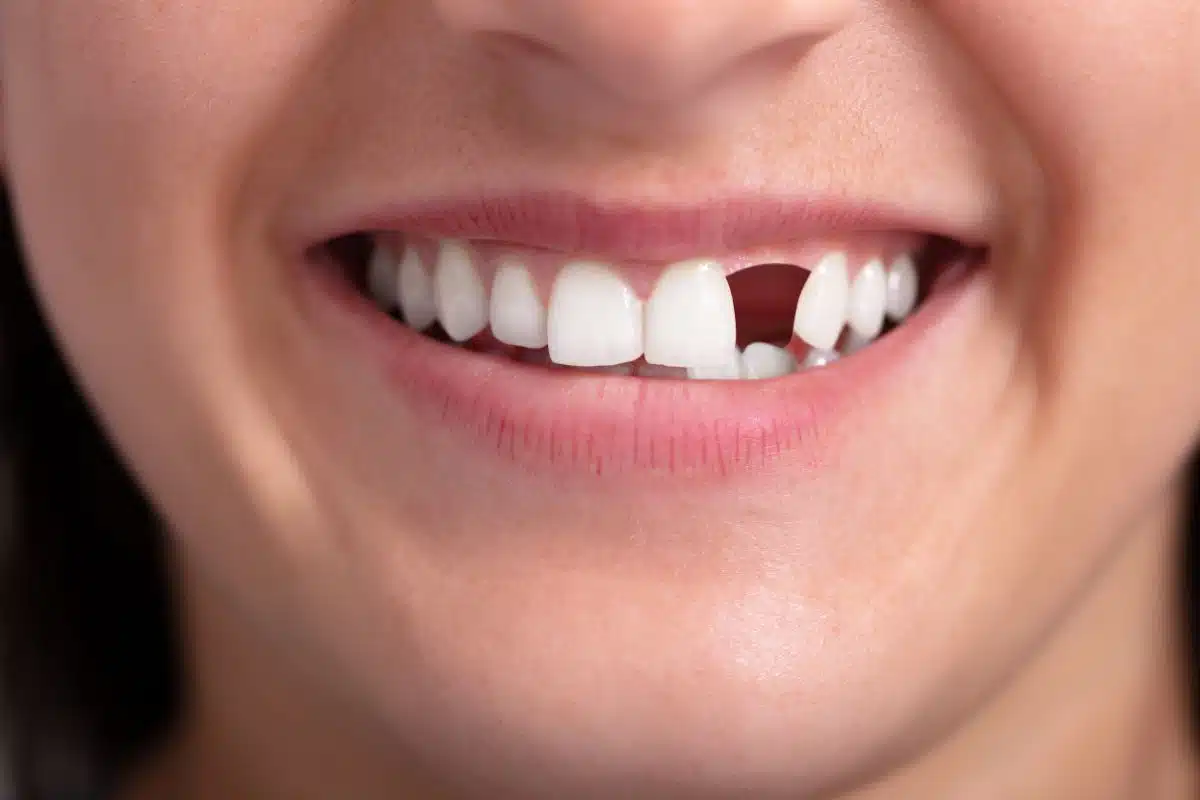
Losing all of your upper teeth can significantly affect both your daily function and confidence. While the aesthetic changes are immediately noticeable, the functional consequences are just as important. Missing upper teeth can make eating and speaking challenging, often leading to discomfort and frustration. Fortunately, there are several solutions to restore both function and appearance, helping individuals regain their quality of life.
Impact on Eating
One of the most noticeable effects of missing upper teeth is the difficulty in chewing. Our teeth play a critical role in breaking down food into manageable pieces, which makes swallowing and digestion easier. When the upper teeth are lost, the following issues can arise:
- Inability to Chew Properly: Without upper teeth, it’s difficult to chew food thoroughly. This can lead to digestive problems, as food that isn’t properly broken down may cause stomach discomfort or indigestion.
- Limited Food Choices: Individuals with missing upper teeth often avoid certain foods that are difficult to chew, such as meats, apples, or crunchy vegetables. This limitation can impact nutrition, making it harder to maintain a balanced diet.
- Jaw Pain or Strain: Missing teeth can lead to overcompensation by the remaining teeth, which may cause pain or strain in the jaw muscles. This could result in discomfort while chewing or even headaches.
Impact on Speaking
In addition to difficulty with eating, missing upper teeth can also affect speech. Teeth help form specific sounds, and without them, pronunciation can become unclear. Some of the challenges people with missing upper teeth face include:
- Slurred or Muffled Speech: The absence of upper teeth can lead to a lack of clarity in speech. Sounds that require contact with the upper teeth, such as “f” and “v,” may become difficult to pronounce.
- Lisping: Missing upper teeth can also result in a lisp, especially if the gaps affect the way the tongue moves within the mouth.
- Difficulty with Certain Words: People may struggle with enunciating words that rely on the support of their upper teeth for proper articulation.
Solutions to Restore Function and Aesthetics
Fortunately, there are effective solutions to address the challenges caused by missing upper teeth, improving both eating and speaking abilities. Here are some of the most popular options:
1. Full-Arch Dental Implants
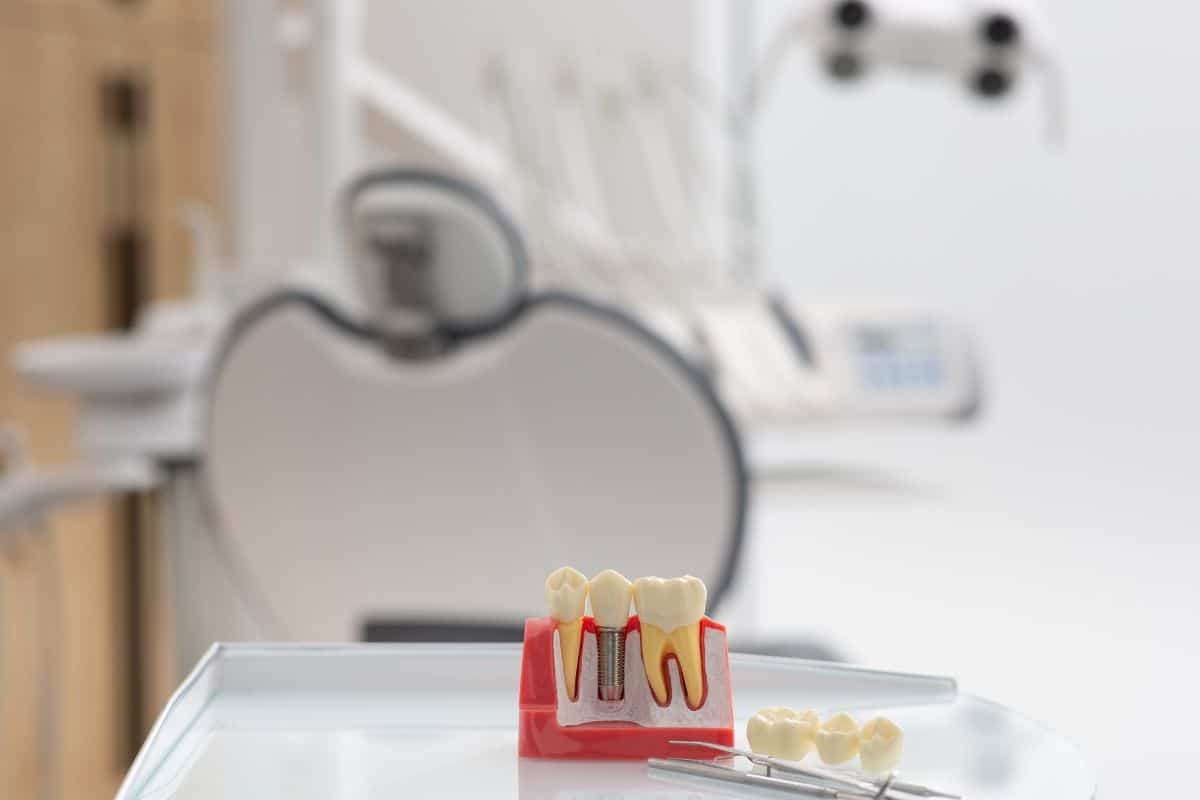
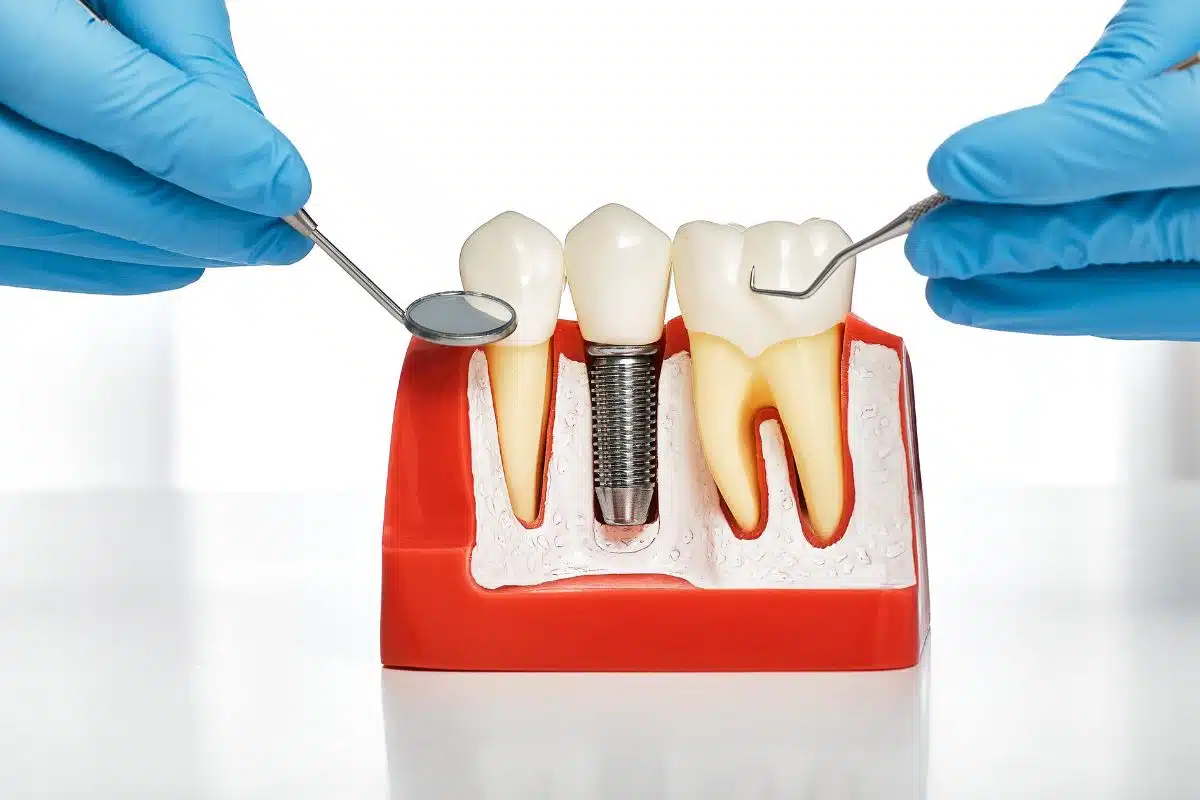
Full-arch dental implants are a permanent solution for replacing all missing upper teeth. These implants involve placing titanium posts into the jawbone, which serves as a foundation for a full set of artificial teeth. Full-arch implants restore both function and aesthetics, allowing individuals to chew properly and speak clearly without the discomfort of traditional dentures.
Benefits:
- Restores full chewing function
- Prevents bone loss by stimulating the jawbone
- Offers a natural appearance and secure fit
2. Implant-Supported Dentures
For those who are not candidates for full-arch implants, implant-supported dentures are a great option. These dentures are held in place by dental implants, which provide stability and prevent the dentures from slipping or shifting. Implant-supported dentures help restore the ability to chew most foods and speak naturally.
Benefits:
- More stable than traditional dentures
- Easier to eat and speak compared to removable dentures
- Can be customized for a natural look
3. Traditional Dentures
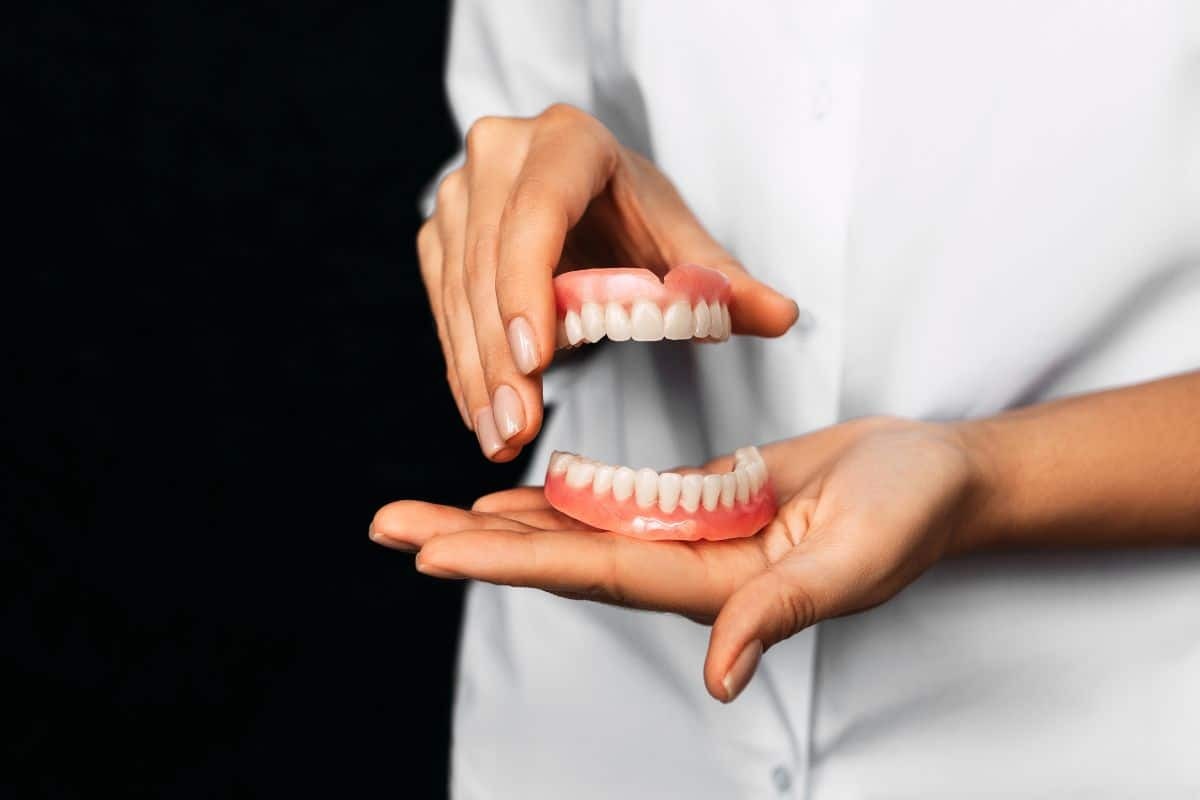
While not as secure as implants, traditional removable dentures can also restore the appearance and function of missing upper teeth. Dentures are custom-made to fit the gums and are designed to improve chewing and speaking. While they may not feel as permanent or secure as implants, they are an affordable option for those on a budget.
Benefits:
- Affordable and customizable
- Easy to remove for cleaning and maintenance
- Immediate solution for missing teeth
4. Bone Grafting
In some cases, bone grafting may be required to rebuild the jawbone before implants can be placed. This is especially necessary when bone loss has occurred due to missing teeth. Once the bone is restored, full-arch implants or implant-supported dentures can be placed, providing a long-term, functional solution.
Benefits:
- Restores sufficient bone for implant placement
- Enables a more permanent solution for missing teeth
Conclusion
Missing upper teeth can have a significant impact on both eating and speaking, affecting daily life in ways that go beyond aesthetics. However, with modern dental solutions such as full-arch implants, implant-supported dentures, and traditional dentures, you can restore function, improve speech, and regain confidence. If you’re struggling with missing upper teeth, consult with your dentist to explore the best solution for your needs and lifestyle. By addressing the issue early, you can enjoy a healthier, more fulfilling life with the ability to eat, speak, and smile comfortably again.
Recent Posts
April 24, 2026
Can I Get Dentures if I Have Sensitive Gums?
April 17, 2026
How Do I Choose a Dental Implants Provider in Paradise Valley?

April 10, 2026
Does Invisalign Work for Open Bite Correction?
April 3, 2026
Do Dental Implants Cause Sinus Problems?
March 27, 2026