

Blog
How Long Does It Take to Heal After Dental Implant Placement?
August 11, 2024
Dental implants
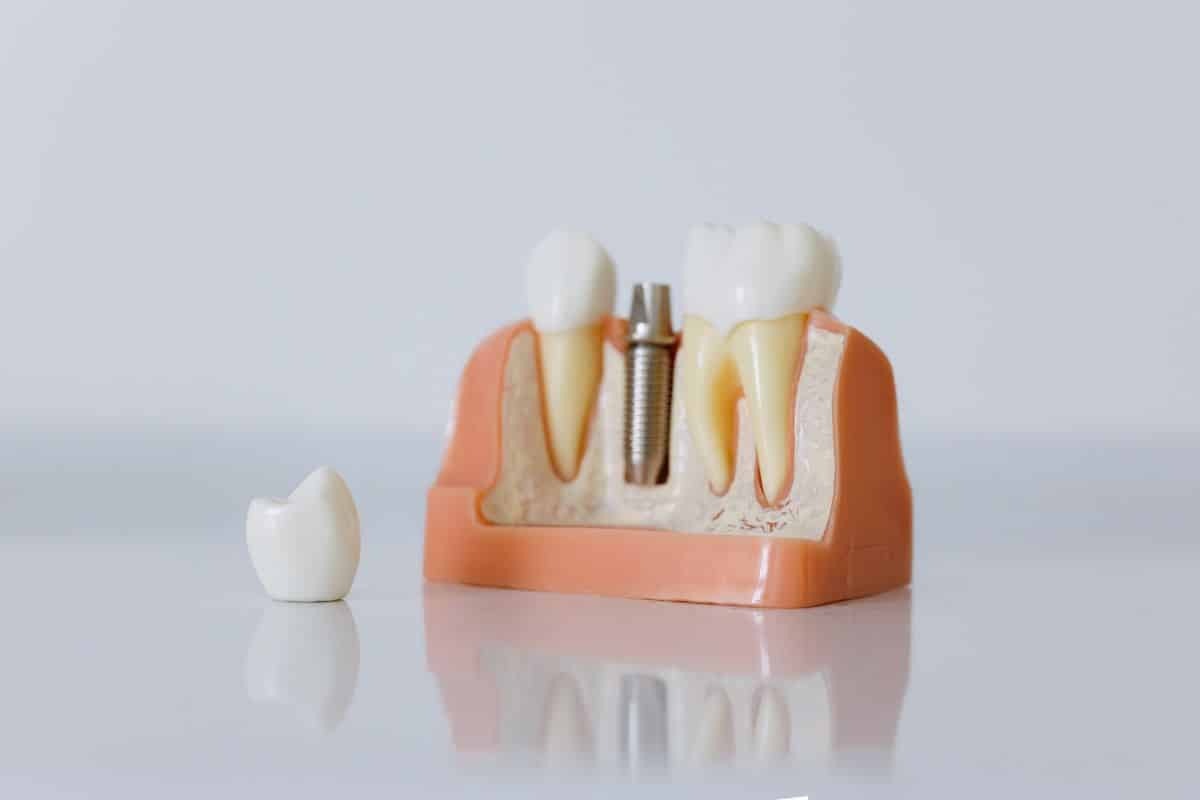
Dental implant placement is a transformative procedure that can restore both the function and appearance of your smile. However, like any surgical procedure, it requires time to heal properly. Understanding the healing process and what to expect can help you prepare for a smooth recovery and successful outcome. So, how long does it take to heal after dental implant placement? Let’s explore the key stages of the healing process and the factors that influence recovery time.
The Healing Process After Dental Implant Placement
Healing after dental implant surgery typically occurs in stages, with each phase playing a crucial role in the overall success of the implant. Here’s a breakdown of the general timeline:
1. Immediate Recovery: The First 24-48 Hours
The initial recovery period begins as soon as the procedure is complete. During the first 24-48 hours, you may experience some swelling, minor bleeding, and discomfort around the implant site. These symptoms are normal and can usually be managed with over-the-counter pain relievers, ice packs, and rest.
Your dentist will provide specific aftercare instructions, including advice on oral hygiene, diet, and activity restrictions. It’s important to follow these guidelines closely to promote healing and reduce the risk of complications.
2. Early Healing: The First Week
Within the first week, the initial swelling and discomfort should begin to subside. At this stage, your body is actively working to heal the surgical site. You’ll need to continue following a soft-food diet, avoid strenuous activities, and maintain good oral hygiene to keep the area clean and free from infection.
By the end of the first week, many patients start to feel more comfortable and can resume some of their normal daily activities. However, it’s still important to avoid anything that could disturb the implant site, such as smoking or excessive physical exertion.
3. Osseointegration: 3 to 6 Months
The most critical phase of healing after dental implant placement is a process called osseointegration. This is when the titanium implant post gradually fuses with the surrounding jawbone, creating a strong and stable foundation for the replacement tooth.
Osseointegration typically takes between 3 to 6 months, depending on factors such as the patient’s overall health, the quality of the jawbone, and the specific location of the implant. During this period, the implant becomes securely anchored in the bone, allowing it to function like a natural tooth root.
While you won’t feel the osseointegration process happening, it’s essential to attend follow-up appointments with your dentist to monitor your progress. Your dentist may also take X-rays to ensure the implant is integrating properly with the bone.
4. Final Restoration: After Osseointegration
Once osseointegration is complete, your dentist will move forward with the final step: attaching the custom crown, bridge, or denture to the implant. This phase usually occurs about 3 to 6 months after the initial surgery, once your dentist has confirmed that the implant is fully integrated and stable.
After the final restoration is placed, you’ll be able to use your new tooth or teeth just like your natural ones. Your dental implant will be fully functional, and with proper care, it can last for many years or even a lifetime.
Factors That Influence Healing Time
The healing timeline can vary from person to person based on several factors:
- Overall Health: Patients in good general health with strong immune systems tend to heal more quickly. Conditions such as diabetes, osteoporosis, or autoimmune disorders can slow the healing process.
- Bone Quality and Quantity: The density and volume of your jawbone play a significant role in the success of osseointegration. In some cases, bone grafting may be required before implant placement, which can extend the overall healing time.
- Oral Hygiene: Maintaining excellent oral hygiene is crucial for preventing infection and promoting healing. Brushing, flossing, and using any prescribed antimicrobial rinses as directed by your dentist are essential steps.
- Lifestyle Factors: Smoking, poor diet, and alcohol consumption can negatively affect healing. It’s important to follow a healthy lifestyle and avoid habits that could interfere with recovery.
Conclusion
Healing after dental implant placement is a gradual process that typically takes several months to complete. While the initial recovery phase lasts only a few days to a week, the critical period of osseointegration takes 3 to 6 months. By following your dentist’s aftercare instructions and attending regular check-ups, you can ensure a smooth recovery and enjoy the long-lasting benefits of your dental implants. If you have any concerns or questions about your healing process, don’t hesitate to reach out to your dental care team for guidance.
Recent Posts
April 24, 2026
Can I Get Dentures if I Have Sensitive Gums?
April 17, 2026
How Do I Choose a Dental Implants Provider in Paradise Valley?

April 10, 2026
Does Invisalign Work for Open Bite Correction?
April 3, 2026
Do Dental Implants Cause Sinus Problems?

March 27, 2026