

Blog
Do Implants Require Special Toothpaste?
September 5, 2025
Dental implants
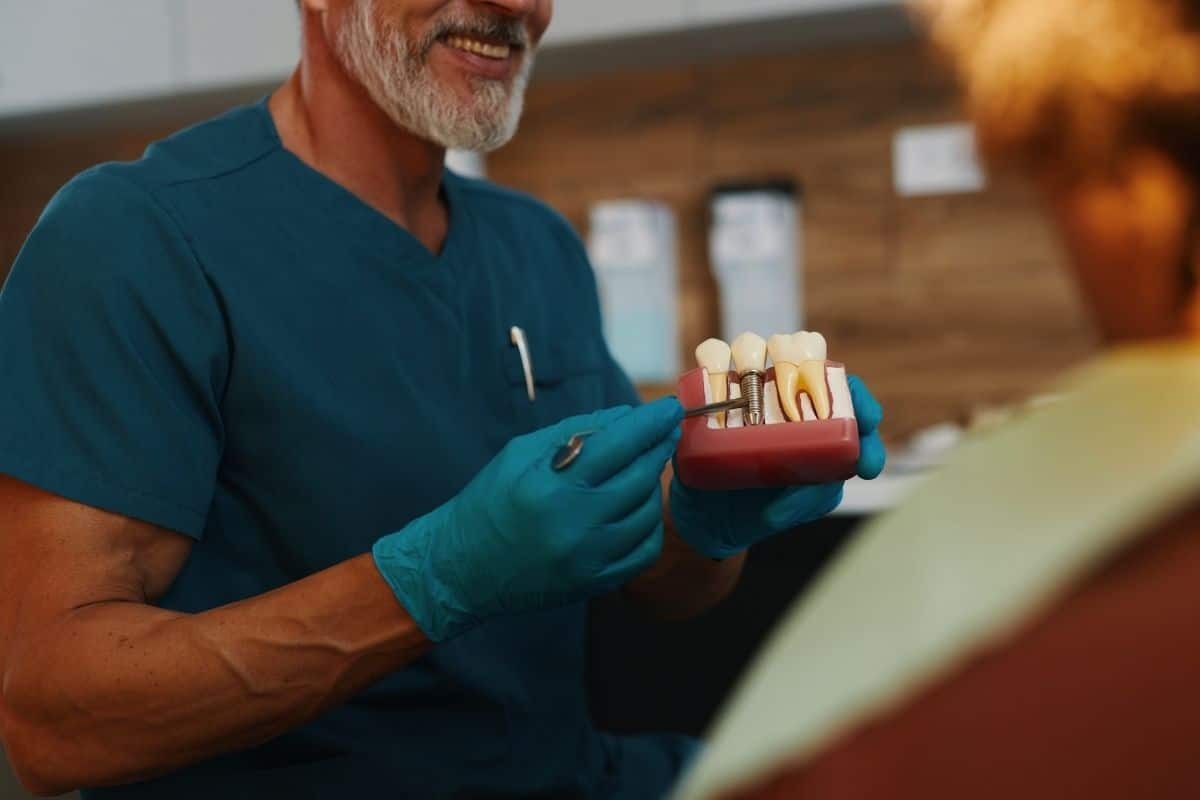
Have you ever wondered if getting dental implants changes your everyday routine? Many people embrace implants for their natural look and function. Yet, questions about maintenance often arise. This post dives into one common concern: toothpaste choices. We’ll explore facts to help you care for your smile confidently.
What Are Dental Implants and Why Do They Matter?
Dental implants act as sturdy replacements for missing teeth. They consist of a titanium post that fuses with your jawbone. This creates a stable base for a crown or bridge. Unlike dentures, implants feel like real teeth. They prevent bone loss and boost chewing ability.
Patients often ask about longevity. With proper care, implants can last a lifetime. Osseointegration, the bonding process, plays a key role. It ensures the post integrates fully. This foundation supports overall oral health. Neglect here could lead to issues like peri-implantitis, an infection around the implant.
The Dental Implant Procedure: A Step-by-Step Overview
The journey starts with a consultation. Your dentist evaluates bone density and oral health. If needed, bone grafting prepares the site. Surgery follows, placing the titanium post into the jaw.
Healing takes time. The post must fuse with the bone before adding the abutment and crown. This timeline for the dental implant process typically spans three to six months. Factors like health and location influence speed. Once complete, your new tooth blends seamlessly.
Regular check-ups monitor progress. This phased approach minimizes risks. It also allows your body to adapt naturally.
Essential Daily Care for Your Implants
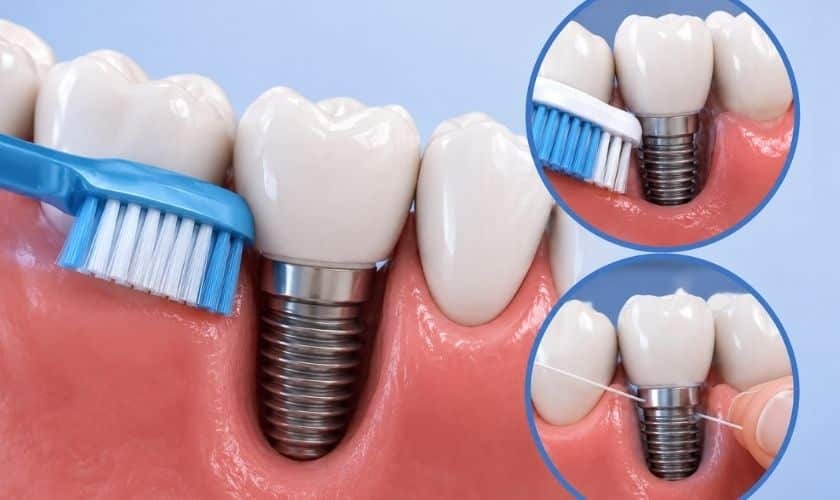
Maintaining implants mirrors natural tooth care. Brush twice daily. Use a soft-bristle toothbrush to avoid damage. Floss around the implant base daily. Tools like water flossers reach tight spots effectively.
Rinse with antimicrobial mouthwash. It fights bacteria buildup. Avoid hard foods initially. Soft diets aid healing. Steer clear of tobacco, as it hinders integration.
Peri-implant health demands vigilance. Plaque can accumulate like on natural teeth. Consistent habits prevent gum irritation. Schedule cleanings every six months. These visits catch issues early.
Does Toothpaste Make a Difference for Implants?
No, dental implants in Paradise Valley don’t demand a unique toothpaste formula. Standard fluoride toothpaste works well. It strengthens surrounding enamel and fights decay. Look for low-abrasive options to protect the crown’s surface.
High-abrasion pastes might scratch porcelain or metal parts. This could harbor bacteria over time. The American Dental Association recommends products with its seal. They ensure safety and efficacy.
Some patients try whitening varieties. These are fine if non-abrasive. They brighten crowns without harm. Always check labels for gentleness.
Common Myths About Implant Hygiene
A myth persists that implants need antibacterial-only pastes. Reality: Fluoride suffices for most. Another misconception involves skipping brushing. Never do that—implants require daily attention.
People worry about sensitivity. Implants lack nerves, so pain isn’t an issue. Focus on gentle techniques instead.
Trending FAQs on Dental Implants and Toothpaste
Based on frequent searches, here are the key questions people ask:
- Do dental implants require special toothpaste?
No, regular low-abrasive fluoride toothpaste is ideal. It cleans effectively without scratching surfaces. - How do you clean dental implants daily?
Brush gently twice a day, floss with implant-specific tools, and use mouthwash to remove plaque. - Can I use whitening toothpaste on dental implants?
Yes, but choose non-abrasive versions to avoid damaging the restoration material. - What happens if I don’t care for my dental implants properly?
Poor hygiene can lead to peri-implantitis, causing inflammation or implant failure. - Are electric toothbrushes safe for dental implants?
Absolutely, they provide thorough cleaning. Opt for soft heads to be gentle.
These answers address real concerns. They stem from common user queries.
Stats on Implant Success and Care Impact
Proper hygiene boosts outcomes. Here’s a quick table of key statistics:
| Factor | Success Rate | Notes |
|---|---|---|
| Overall Implant Longevity | 95-98% | With routine care, it lasts 15+ years. |
| Risk of Peri-Implantitis | 10-15% | Reduced by 50% with daily flossing. |
| Bone Integration Success | 90-95% | Improves with non-smoking habits. |
| Annual Check-Up Benefit | 20% Failure Reduction | Early detection prevents complications. |
These figures highlight the care’s role. Sources include dental studies on maintenance.
Advanced Tips for Long-Term Implant Health
Incorporate proxy brushes for hard-to-reach areas. They clean under the gumline. Night guards protect if you grind your teeth. This prevents undue pressure.
Diet matters too. Crunchy foods test stability. Opt for balanced meals rich in vitamins. Calcium supports bone health around implants.
Monitor for signs like swelling or looseness. Prompt visits resolve them quickly.
If you are searching for “dental implants near me,” consider local experts who prioritize personalized care. They guide you through every step for optimal results.
In summary, dental implants thrive with simple, consistent habits. No special toothpaste is required—just smart choices. Embrace these tips for a radiant, functional smile. Ready to learn more? Call 480-998-7775 to schedule an appointment today.
Recent Posts
October 28, 2026
How Smoking Can Affect Your Dental Implants
October 19, 2026
What Causes Sudden Swelling Around a Tooth? Common Reasons

October 12, 2026
One Family Dentist Beats Five Scattered Appointments Every Time
October 5, 2026
Why Is Plaque Control Important for Your Oral Health?
September 11, 2026