Blog
Can Dental Crowns Protect Weak Teeth?
May 20, 2024
Dental Crown
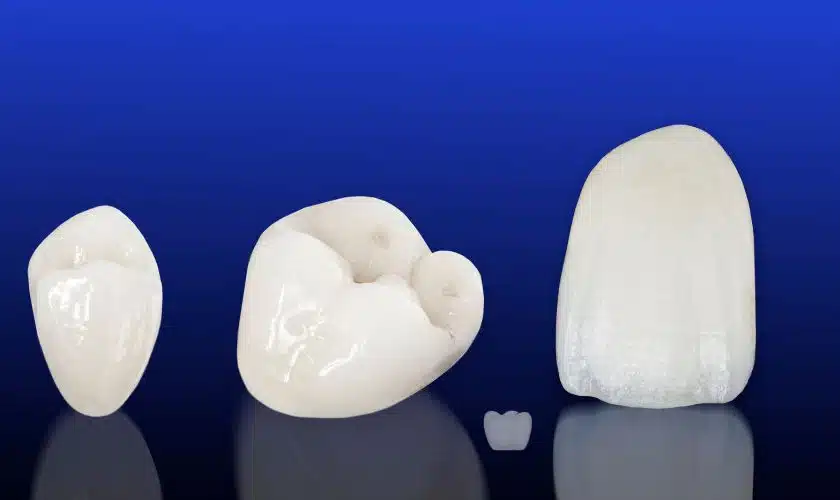
Weak or damaged teeth can significantly impact your oral health and quality of life. Fortunately, dental crowns offer an effective solution for protecting and strengthening weakened teeth. In this blog, we’ll explore how dental crowns can safeguard weak teeth, the benefits they offer, and what to expect during the process.
Understanding Weak Teeth
Weak teeth can result from various factors, including:
- Tooth Decay: Untreated cavities can weaken the structure of the tooth, making it more prone to fractures and damage.
- Trauma: Accidents or injuries can cause chips, cracks, or fractures in teeth, compromising their strength.
- Large Fillings: Teeth with large fillings or multiple fillings may become weakened over time, especially if the filling material starts to deteriorate.
- Grinding or Clenching: Habitual grinding or clenching of teeth (bruxism) can exert excessive force on the teeth, leading to wear and weakening of the enamel.
How Dental Crowns Help
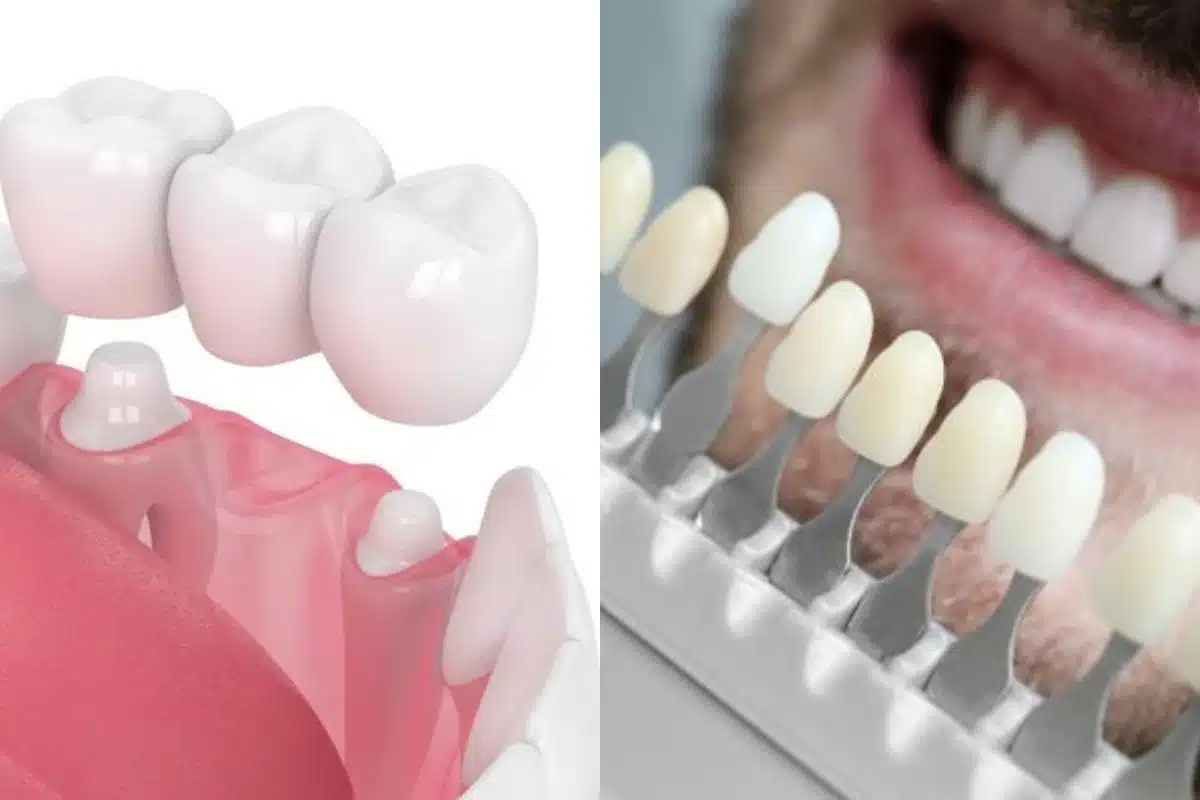
Dental crowns, also known as caps, are custom-made restorations that cover the entire visible surface of a tooth. They are designed to mimic the natural shape, size, and color of the tooth while providing strength and protection. Here’s how dental crowns can protect weak teeth:
- Restoring Tooth Structure: Dental crowns encase the weakened tooth, effectively restoring its shape and size. By providing a durable outer shell, crowns help distribute biting forces evenly, reducing the risk of further damage.
- Preventing Fractures: Weak teeth are more susceptible to fractures and cracks, especially under pressure from chewing or biting. Dental crowns act as a protective barrier, shielding the underlying tooth structure from damage and preventing fractures.
- Strengthening Enamel: Crowns are typically made from strong materials such as porcelain, ceramic, or metal alloys. These materials add strength to the tooth and reinforce weakened enamel, enhancing its resilience against daily wear and tear.
- Supporting Large Fillings: Teeth with large fillings or extensive decay may lack sufficient structural integrity. Dental crowns provide additional support and stability, preventing the filling from dislodging and protecting the remaining tooth structure.
The Dental Crown Procedure
Getting a dental crown typically involves multiple steps:
- Consultation: Your dentist will examine your teeth and discuss your treatment options. If a dental crown is recommended, they will explain the process and answer any questions you may have.
- Tooth Preparation: To accommodate the crown, the tooth may need to be reshaped and reduced in size. This ensures a proper fit for the crown without altering your bite.
- Impression: An impression or mold of the prepared tooth is taken to create a custom crown that fits snugly over the tooth.
- Temporary Crown: While your permanent crown is being fabricated in a dental lab, a temporary crown may be placed to protect the tooth.
- Final Placement: Once the permanent crown is ready, it is bonded to the tooth using dental cement. Your dentist will ensure that the crown fits correctly and feels comfortable.
- Adjustments: Your dentist may make minor adjustments to the crown’s shape or bite to ensure optimal comfort and functionality.
- Care Instructions: Proper oral hygiene and regular dental visits are essential for maintaining the longevity of your dental crown. Brushing, flossing, and avoiding chewing hard objects can help prolong the life of your crown.
Benefits of Dental Crowns for Weak Teeth
Dental crowns offer several benefits for weak teeth:
- Strength and Stability: Crowns provide durable protection for weakened teeth, reducing the risk of fractures and preserving their functionality.
- Natural Appearance: Modern crowns are designed to look and feel like natural teeth, enhancing your smile’s aesthetics.
- Longevity: With proper care, dental crowns can last for many years, providing long-term protection and support for weak teeth.
- Improved Oral Health: By reinforcing weak teeth, crowns help maintain oral health and prevent further damage or decay.
- Customized Solutions: Crowns are custom-made to fit your individual needs, ensuring a comfortable and precise fit.
Conclusion
Dental crowns are invaluable tools for protecting and strengthening weak teeth. Whether your teeth are weakened due to decay, trauma, or other factors, crowns offer a reliable solution to restore their strength, function, and appearance. If you have weak or damaged teeth, consult with your dentist to determine if dental crowns are the right option for you. With proper care and maintenance, dental crowns can help you enjoy a healthy, beautiful smile for years to come.