

Blog
Can Crowns Fix Teeth After Root Canal Treatment?
January 23, 2026
Dental Crown
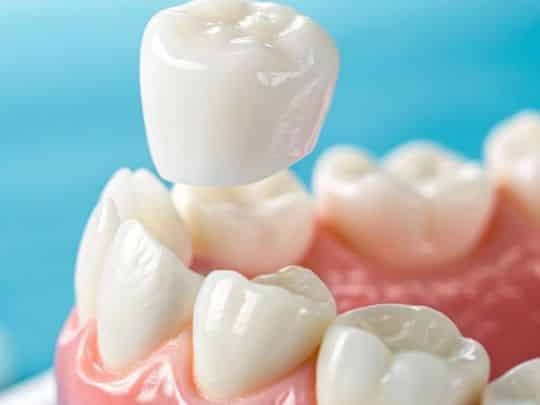
Have you ever woken up with a throbbing toothache that just won’t quit? It’s a common nightmare, but modern dentistry offers solutions that can save your natural tooth and restore your smile. Root canal treatment often comes to the rescue in these cases, but many wonder if a crown is the next step. Let’s dive into how crowns play a key role in fixing teeth post-treatment, addressing your concerns with clear, helpful insights.
Understanding Root Canal Treatment
Root canal therapy saves infected or damaged teeth. It removes the inflamed pulp inside the tooth. Dentists clean the area thoroughly. They fill it to prevent further issues. This process relieves pain and stops infection spread. Many patients fear it, but it’s straightforward and effective. Anesthesia keeps you comfortable throughout. After, the tooth functions normally again. Yet, the procedure leaves the tooth changed. It becomes more fragile without its inner support.
Why Crowns Are Often Recommended After Root Canal
Teeth lose strength after pulp removal. The structure weakens over time. Biting forces can cause cracks or breaks. A crown acts as a protective cap. It covers the entire tooth above the gumline. This reinforcement prevents fractures. It also seals the tooth against bacteria. Without it, risks rise for reinfection or damage. Back teeth bear more pressure from chewing. They usually need this extra layer. Front teeth might suffice with fillings in some cases. Always consult a professional for personalized advice.
Experts emphasize timely restoration. Delaying can lead to complications. Crowns restore natural biting ability. They blend seamlessly with surrounding teeth. Patients regain confidence in eating favorites like steak or apples. In areas with advanced dental care, options abound for durable solutions. For instance, dental crowns in Paradise Valley, AZ, provide top-notch protection tailored to individual needs.
Benefits of Getting a Crown Post-Root Canal
Crowns enhance tooth longevity. They distribute chewing stress evenly. This reduces wear on the treated tooth. Aesthetics improve too. Modern materials match natural tooth color. No one notices the difference. Sensitivity to hot or cold lessens. The crown shields exposed areas. Overall oral health benefits. It maintains proper alignment. Prevents shifting of adjacent teeth. Studies show impressive results. Teeth with crowns last longer than those without.
Here’s a quick look at key statistics:
| Aspect | Statistic | Source Insight |
|---|---|---|
| Success Rate with Crown | 85-97% over 8-10 years | Research on combined treatments |
| Fracture Rate without Crown | Up to 28% in 5 years | Studies on unprotected teeth |
| Fracture Rate with Crown | 2-4% in 5 years | Comparative dental analyses |
| Long-Term Survival | 93% at 10 years | Endodontic success data |
These numbers highlight the value. Crowns turn a vulnerable tooth into a reliable one.
Types of Crowns for Post-Root Canal Restoration
Various materials suit different needs. Porcelain crowns offer a natural look. They’re ideal for visible teeth. Ceramic options resist staining well. Metal crowns provide unmatched strength. They’re great for molars. Hybrid versions combine benefits. Porcelain-fused-to-metal balances durability and appearance. Same-day crowns use advanced tech. They fit in one visit. This convenience appeals to busy schedules. Choose based on tooth location and lifestyle. A dentist guides the best fit.
The Crown Placement Process Explained
First, the dentist examines the tooth. They shape it for the crown. Impressions capture exact details. A lab crafts the custom piece. Temporary protection covers the tooth meanwhile. In the next visit, the permanent crown bonds securely. Adjustments ensure a perfect bite. The whole process feels routine. Minimal discomfort occurs. Healing happens quickly. Follow-up checks confirm everything’s set. With care, it lasts many years.
Addressing Common Concerns
Some worry about pain after placement. It’s rare and manageable. Over-the-counter relief helps if needed. Others fear the tooth won’t feel natural. But crowns mimic real teeth closely. Maintenance is simple. Brush and floss as usual. Regular check-ups keep things optimal. Avoid hard foods to extend life. These steps make the investment worthwhile. Patients often report renewed comfort in daily activities.
Trending FAQs on Crowns After Root Canal Treatment
Many search for answers online. Here are some frequently asked questions based on popular Google queries, with straightforward responses:
- Do I always need a crown after a root canal? Not always, but it’s often recommended. Back teeth usually require one due to heavy use. Front teeth might manage with a filling if damage is minimal.
- How soon should I get a crown after a root canal? Ideally within a few weeks. A temporary filling protects temporarily. Delaying increases fracture risk.
- What happens if I don’t get a crown after a root canal? The tooth could crack or break. Reinfection might occur. This leads to more complex fixes or even tooth loss.
- How long do crowns last after a root canal? With proper care, 10-15 years or more. Regular dental visits and good hygiene extend this.
- Is a crown painful after root canal? Placement is comfortable with numbing. Any post-procedure soreness fades quickly.
These cover top concerns. Knowledge eases anxiety.
Caring for Your Crowned Tooth
Daily habits matter. Use a soft toothbrush. Floss gently around the crown. Avoid chewing ice or hard candies. Quit habits like nail-biting. These protect your restoration. Routine cleanings spot issues early. A healthy diet supports oral wellness. Stay hydrated to reduce dry mouth risks. Simple actions yield big rewards. Your smile stays vibrant.
If questions linger, reach out. Professionals assess your unique situation. They explain options clearly. Contact us to discuss how this fits your needs. It’s a step toward lasting comfort.
In the end, crowns offer a smart way to safeguard teeth after root canal. They blend protection with everyday function. Embrace this solution for a worry-free smile. Your oral health deserves it.
Recent Posts
April 24, 2026
Can I Get Dentures if I Have Sensitive Gums?
April 17, 2026
How Do I Choose a Dental Implants Provider in Paradise Valley?

April 10, 2026
Does Invisalign Work for Open Bite Correction?
April 3, 2026
Do Dental Implants Cause Sinus Problems?

March 27, 2026