

Blog
Can Adults Benefit from Dental Sealants?
January 16, 2026
Sealants Treatment
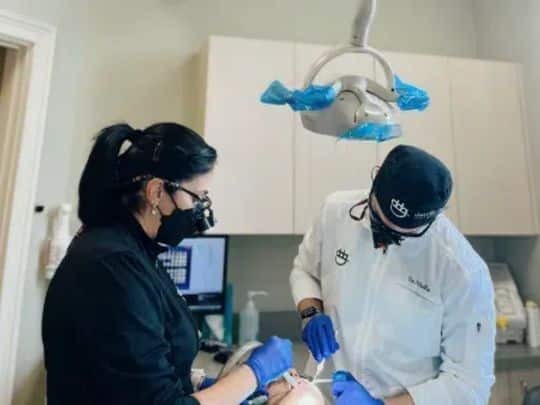
Have you ever wondered if simple steps could keep your smile strong as you age? Many people focus on brushing and flossing, yet overlook tools that add extra protection. This post dives into one such option, showing how it fits into everyday oral care routines.
What Are Dental Sealants?
Dental sealants act as a shield for teeth. They form a thin layer over the chewing surfaces of back teeth. Molars and premolars often have grooves where food and bacteria hide.
This coating blocks out debris. It helps stop decay before it starts. Sealants use safe materials like resin or glass ionomer.
Dentists apply them quickly. The process takes minutes per tooth. No drilling or numbing is needed.
How Do Sealants Work for Adults?
Adults face unique dental challenges. Busy lives can lead to rushed brushing. Sugary drinks or snacks add risk.
Sealants fill in pits on molars. These spots trap particles easily. The barrier keeps acid and plaque away.
Research shows they cut cavity risk. For adults without prior fillings, this makes sense. It extends the life of healthy teeth.
Sealants last up to 10 years. They wear down over time from chewing. Regular check-ups spot any need for touch-ups.
Key Benefits of Sealants for Adults
Prevention of Tooth Decay
Cavities hit adults hard. Back teeth bear most chewing force. Sealants reduce decay by sealing vulnerable areas.
Studies link them to fewer fillings. This means less time in the chair. A proactive step keeps smiles intact.
Easy and Non-Invasive Application
No shots or drills here. Dentists clean the tooth first. Then apply the liquid sealant.
A light hardens it fast. You leave with protection in place. It’s comfortable and quick.
Long-Term Protection
Sealants endure daily use. They guard against wear from food. Many adults see benefits for years.
This fits busy schedules. Less worry about hidden decay. Peace of mind comes standard.
Dental sealants in Paradise Valley, AZ, offer a local solution for those seeking added defense. Residents here enjoy access to skilled providers who tailor this to adult needs.
Who Should Consider Sealants as an Adult?
Not everyone needs them. Smooth teeth may fare well without. Deep grooves invite trouble, though.
If you’ve had cavities before, think about it. Dry mouth from meds increases risk too. Sealants help in these cases.
Talk to your dentist. They assess your teeth. Custom advice guides the choice.
Adults with no fillings benefit most. Early application prevents issues. It’s never too late to protect.
The Application Process Step by Step
First, the tooth gets cleaned. Any debris is removed. This ensures a good bond.
Next, a mild acid etches the surface. It creates texture for grip. Rinse follows quickly.
Sealant flows into grooves. A curing light sets it hard. The dentist checks the bite.
You feel nothing unusual after. Normal eating resumes soon. Simple care keeps them effective.
Effectiveness of Sealants: What the Data Shows
Sealants prove their worth in numbers. Here’s a look at key stats:
| Statistic | Detail | Source |
|---|---|---|
| Cavity Prevention Rate | Up to 80% reduction in first 2 years | CDC |
| Long-Term Protection | 50% fewer cavities after 4 years | CDC |
| Adult Cavity Prevalence | 90% of adults over 20 have at least one cavity | CDC |
| Sealant Retention | Last 5-10 years with proper care | ADA |
These figures highlight real impact. Adults see fewer decays with this layer. Data from health groups backs it up.
Addressing Common Concerns
Some worry about safety. Sealants use tested materials. BPA levels are minimal and safe.
Others fear trapping decay. Dentists check teeth first. No issues if applied right.
Durability questions arise too. Chewing wears them, but reapplication is easy. Myths fade with facts.
Sealants don’t replace brushing. They team up with habits. Together, they strengthen defense.
Trending FAQs on Dental Sealants for Adults
People often search for answers online. Here are some frequently asked questions based on common Google queries, with clear responses:
- Are dental sealants only for children? No, adults can gain from them too. If molars have deep pits without fillings, sealants prevent decay effectively.
- How long do dental sealants last? They typically endure 5 to 10 years. Factors like diet and chewing habits affect lifespan, but check-ups help monitor them.
- Are dental sealants safe for adults? Yes, materials are FDA-approved. Trace BPA amounts are far below safety limits, posing no health risks.
- Do dental sealants hurt? The process is painless. No needles or drilling involved, making it comfortable for all ages.
- Can sealants be placed over existing fillings? Usually not, as they work best on natural tooth surfaces. Dentists evaluate case by case.
- How effective are sealants in preventing cavities? They block 80% of cavities in back teeth for the first two years, per CDC data.
These address top concerns. Knowledge empowers better choices.
Maintaining Sealants for Best Results
Care is straightforward. Brush twice daily. Floss to clear sides.
Avoid hard foods that chip them. Nuts or ice can stress the coating.
See your dentist regularly. They spot wear early. Touch-ups keep protection strong.
Healthy habits amplify benefits. Limit sweets and acids. Water rinses help too.
Sealants fit seamlessly into routines. They enhance, not complicate, daily care.
If you’re curious about this option, schedule an appointment. It’s a relaxed way to discuss if it suits you. Your dentist can explain more in person.
Protecting your teeth matters at any stage. Simple tools like these make a difference. Stay proactive for a brighter smile ahead.
Recent Posts
April 24, 2026
Can I Get Dentures if I Have Sensitive Gums?
April 17, 2026
How Do I Choose a Dental Implants Provider in Paradise Valley?

April 10, 2026
Does Invisalign Work for Open Bite Correction?
April 3, 2026
Do Dental Implants Cause Sinus Problems?
March 27, 2026