

Blog
How Many Months for Invisalign? Complete Treatment Guide
February 13, 2026
Invisalign

Invisalign aligners have transformed modern orthodontics. Many patients today want straighter teeth without the look of traditional braces. Invisalign aligners offer a discreet and comfortable solution that fits into daily life. One of the most common questions patients ask before starting treatment is simple: how long will it take?
The answer depends on several factors, including the complexity of tooth movement, consistency in wearing aligners, and individual oral health conditions. Understanding the timeline can help you set realistic expectations and stay motivated throughout the process.
Average Invisalign Treatment Timeline
Most Invisalign treatments take 12 to 18 months. However, some cases can finish sooner, while others may take longer depending on the alignment goals.
Here is a general overview of how treatment duration varies:
| Case Type | Estimated Treatment Time |
|---|---|
| Minor alignment corrections | 6–9 months |
| Moderate crowding or spacing | 12–18 months |
| Complex orthodontic adjustments | 18–24 months |
Every smile is unique. An orthodontic evaluation is necessary to determine the precise timeline.
Key Factors That Influence Treatment Time
Severity of Alignment Issues
Patients with mild spacing or slight crowding may complete treatment faster. More complex cases, such as significant bite problems or rotated teeth, require additional aligner stages.
Orthodontists design a series of custom aligners to gradually move teeth. Each aligner shifts the teeth slightly until the final result is achieved.
Consistency in Wearing Aligners
One of the most important factors affecting treatment speed is compliance.
Aligners should typically be worn 20–22 hours per day. Removing them too often can delay progress and extend the treatment timeline.
Patients who follow instructions closely usually finish faster.
Treatment Planning and Digital Scans
Modern Invisalign systems rely on advanced 3D imaging and digital treatment planning. These technologies allow orthodontists to map out each stage of tooth movement before treatment even begins.
Patients undergoing our invisalign treatment in Paradise Valley, AZ, benefit from customized aligner planning that helps guide predictable tooth movement throughout the process.
Biological Response to Tooth Movement
Everyone’s body responds differently to orthodontic movement. Some patients experience faster tooth movement due to bone density and natural biological variation.
Regular progress monitoring ensures that treatment stays on track.
What Happens During Each Stage of Treatment?
Initial Consultation
During the first visit, an orthodontic evaluation and digital scans are taken. These scans are used to design your personalized aligner sequence.
Aligner Series
Patients receive a set of custom invisalign aligners. Each set is typically worn for one to two weeks before switching to the next.
Every new aligner gently shifts teeth closer to their ideal position.
Progress Checkups
Periodic visits help monitor tooth movement and ensure aligners are working as planned. Adjustments may be made if needed.
Refinement Phase
Sometimes additional aligners are created to perfect the final alignment. This phase helps achieve precise results and a balanced bite.
Tips to Avoid Treatment Delays
While Invisalign is designed for convenience, patient habits still play a major role in treatment speed.
Here are simple ways to stay on schedule:
• Wear aligners for the recommended daily hours
• Switch to the next aligner set on time
• Maintain good oral hygiene
• Keep aligners clean and safe
• Attend all scheduled orthodontic visits
Following these steps helps ensure consistent progress throughout treatment.
Signs Your Treatment Is Progressing Well
Patients often notice gradual improvements within the first few months. Common signs include:
• Teeth beginning to align more evenly
• Reduced crowding or spacing
• Better bite alignment
• Increased comfort with each aligner set
Because changes happen gradually, progress can sometimes feel subtle. Regular monitoring helps confirm that teeth are moving as expected.
Trending FAQs About Invisalign Treatment
Below are common questions people frequently search online regarding treatment duration.
1. How quickly can Invisalign move teeth?
Teeth typically shift slightly with each new aligner set, usually every one to two weeks.
2. Can Invisalign work faster than braces?
In some mild to moderate cases, Invisalign may achieve results within a similar or slightly shorter timeframe.
3. What happens if I forget to wear my aligners?
Not wearing aligners for the recommended time may slow progress and extend treatment duration.
4. Do teeth move every day with Invisalign?
Yes. Gentle pressure from aligners gradually moves teeth day by day.
5. Will I need retainers after Invisalign?
Yes. Retainers help maintain the new alignment after treatment is completed.
How to Know If Invisalign Is Right for You
Invisalign aligners are designed to treat many common orthodontic concerns, including crowding, spacing, and mild bite issues. A consultation can help determine whether aligners are the best option for your smile goals.
If you are searching for an invisalign provider near you, an experienced orthodontic team can evaluate your smile and create a treatment plan tailored to your needs.
Invisalign treatment timelines vary based on individual orthodontic needs, daily habits, and treatment planning. While many patients see results within a year to a year and a half, consistent aligner wear and professional monitoring are key to staying on schedule.
A personalized orthodontic evaluation can provide a clearer estimate and help you begin your journey toward a straighter smile. Contact a qualified orthodontic team today to schedule an appointment.
Recent Posts
October 28, 2026
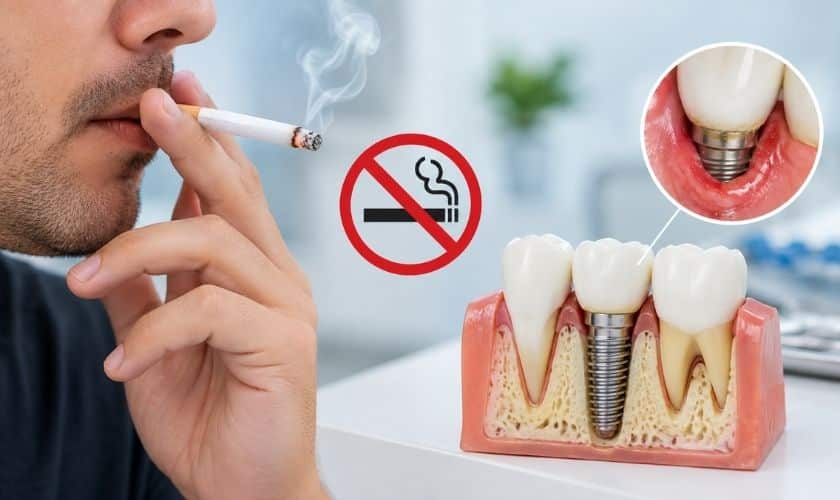
How Smoking Can Affect Your Dental Implants

October 19, 2026
What Causes Sudden Swelling Around a Tooth? Common Reasons

October 12, 2026
One Family Dentist Beats Five Scattered Appointments Every Time
October 5, 2026
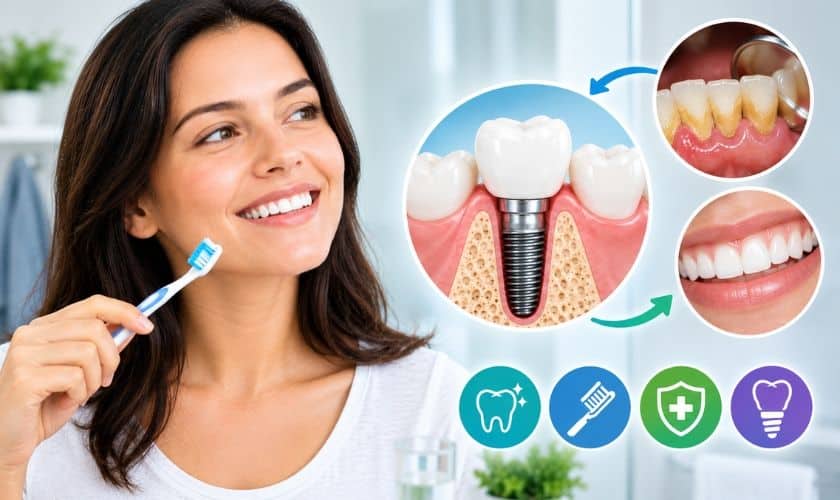
Why Is Plaque Control Important for Your Oral Health?
September 11, 2026