

Blog
What Causes Sudden Swelling Around a Tooth? Common Reasons
October 19, 2026
Dental Care
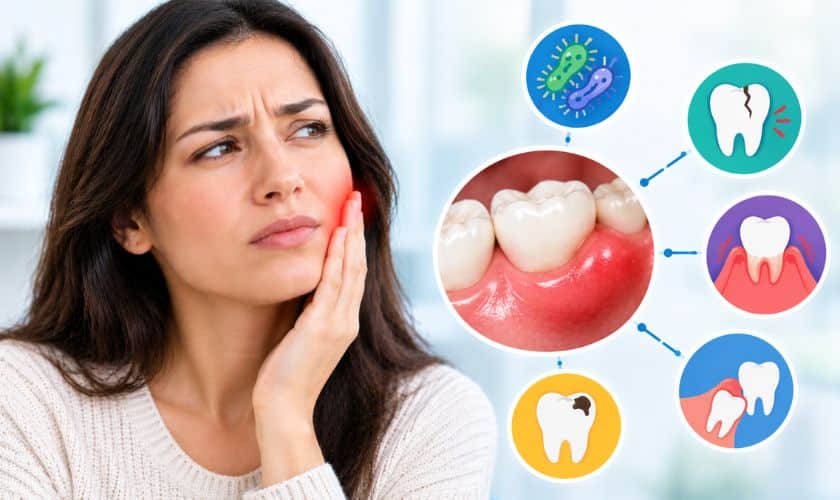
Sudden swelling around a tooth can be uncomfortable, alarming, and sometimes a sign of an underlying dental problem that needs prompt attention. You may notice a swollen gum, tenderness when chewing, redness, or puffiness around your cheek. Although some causes are relatively minor, others, such as dental infections, can become serious without appropriate treatment.
For residents of Paradise Valley, understanding the possible reasons for tooth swelling can help them recognize warning signs and take the right steps to protect their oral health. Identifying the cause early is important because swelling rarely resolves permanently if an underlying dental condition remains untreated.
Common Causes of Sudden Swelling Around a Tooth
1. Dental Abscess
A dental abscess is one of the most concerning causes of sudden swelling. It develops when bacteria enter a tooth through deep decay, a crack, or an injury, leading to an infection that may collect pus. The surrounding gums can become swollen, red, and painful.
Other symptoms may include throbbing tooth pain, a bad taste in the mouth, fever, or facial swelling. A dental abscess requires urgent professional evaluation and treatment. Antibiotics alone may not eliminate the source of the infection, so appropriate dental treatment is essential.
2. Gum Disease
Gum inflammation can cause swelling around one or more teeth. Plaque buildup allows bacteria to irritate the gums, making them red, tender, and more likely to bleed during brushing or flossing. In advanced cases, gum disease may create pockets around teeth where bacteria accumulate.
If swelling persists or repeatedly returns, a dental examination can help determine whether gingivitis, periodontitis, or another condition is responsible.
3. Food Trapped Between Teeth
Sometimes, swelling develops because food becomes lodged between a tooth and the surrounding gum. Popcorn hulls, meat fibers, and other food particles can irritate the tissue, causing localized redness and tenderness.
Gently flossing may remove the trapped material. Avoid using sharp objects or forcing dental tools beneath the gum, as this can cause additional injury. If the swelling does not improve or pain increases, professional evaluation may be necessary.
4. Cracked or Damaged Teeth
A cracked tooth can expose sensitive inner structures and allow bacteria to enter. Depending on the location and severity of the damage, symptoms may include pain when biting, sensitivity to temperature, and swelling near the affected tooth.
Cracks can be difficult to see without a dental examination. Prompt assessment helps determine whether the tooth needs a filling, crown, root canal treatment, or another appropriate procedure.
5. Partially Erupted or Impacted Teeth
A partially erupted wisdom tooth can leave a flap of gum tissue where food and bacteria collect. This may cause inflammation known as pericoronitis, resulting in swelling, tenderness, unpleasant breath, and difficulty opening the mouth.
More severe symptoms may indicate a spreading infection. A dental professional can assess the tooth and recommend suitable treatment based on its position and the severity of inflammation.
What Should You Do When Tooth Swelling Appears?
If you notice sudden swelling, avoid ignoring it, even if the discomfort seems mild. These steps may help while you arrange dental care:
- Rinse gently with warm salt water: Dissolve half a teaspoon of salt in a glass of warm water, rinse, and spit it out.
- Apply a cold compress: Place a wrapped cold pack against the outside of your cheek for short intervals to help reduce swelling.
- Maintain gentle oral hygiene: Brush carefully and floss only when you can do so without aggravating the affected area.
- Choose soft foods: Avoid hard, sticky, very hot, or very cold foods if they increase discomfort.
- Avoid squeezing the swelling: Never attempt to pop a gum bump or drain an abscess yourself.
Do not place aspirin directly on your gums, as it can damage the tissue. These measures provide temporary comfort but do not treat an underlying infection.
When Is Tooth Swelling a Dental Emergency?
Swelling accompanied by severe pain, pus, fever, or a rapidly enlarging area requires urgent dental assessment. Facial swelling can indicate that an infection is spreading beyond the tooth.
Seek emergency medical care immediately if swelling affects your breathing or swallowing, spreads toward your neck or eye, or causes significant difficulty opening your mouth.
People experiencing sudden tooth swelling in Paradise Valley should seek timely professional guidance rather than waiting for symptoms to disappear. At Paradise Valley Dental, patients can learn about dental concerns and the importance of addressing changes in their oral health promptly.
How Can You Prevent Swelling Around a Tooth?
Daily preventive care can reduce the risk of cavities and gum inflammation. Brush twice a day with fluoride toothpaste, floss daily, limit frequent sugary snacks, and attend regular dental checkups. Treating cavities and gum problems early can help prevent complications that lead to swelling.
If you notice recurring gum tenderness, unexplained puffiness, or discomfort around a particular tooth, contact us to discuss your symptoms and appropriate next steps.
Sudden swelling should never be dismissed, especially when it occurs with pain or other signs of infection. Early diagnosis can help prevent complications and protect your teeth and gums. If you need an assessment, visit our dental office to discuss the problem and determine the most appropriate care.
Frequently Asked Questions
- Can a tooth infection cause sudden gum swelling?
Yes. A tooth infection can develop into an abscess, causing localized gum swelling, throbbing pain, tenderness, or pus. Fever or facial swelling may indicate a more serious infection requiring urgent attention.
- Can food stuck between teeth cause gum swelling?
Yes. Trapped food can irritate the gum tissue and cause localized redness or tenderness. Gentle flossing may remove the debris, but persistent swelling or increasing pain should be evaluated by a dental professional.
- Is sudden swelling around a tooth always painful?
No. Gum swelling can occur without significant pain, especially during the early stages of certain conditions. However, painless swelling can still indicate infection or another dental problem that requires professional assessment.
- How can I reduce swelling around a tooth at home?
A gentle warm saltwater rinse and a cold compress against the cheek may provide temporary relief. These measures cannot cure an abscess or other underlying infection, so persistent swelling needs evaluation.
- When should tooth swelling be treated urgently?
Seek urgent dental care if swelling occurs with severe pain, fever, pus, or facial swelling. Difficulty breathing or swallowing is an emergency and requires immediate medical attention rather than waiting for a dental appointment.
- Can gum disease cause swelling around one tooth?
Yes. Gum disease can cause inflammation, redness, bleeding, and swelling around one or more teeth. Localized swelling may also result from food trapping or an abscess, so an examination can help identify the cause.
- Will swelling around a tooth go away on its own?
Minor irritation may improve after the cause is removed, but swelling from an abscess or significant gum disease usually needs treatment. Even if discomfort decreases, an untreated infection may continue to develop.
Recent Posts
October 28, 2026
How Smoking Can Affect Your Dental Implants
October 19, 2026
What Causes Sudden Swelling Around a Tooth? Common Reasons

October 12, 2026
One Family Dentist Beats Five Scattered Appointments Every Time
October 5, 2026
Why Is Plaque Control Important for Your Oral Health?
September 11, 2026