

Blog
Why Is Plaque Control Important for Your Oral Health?
October 5, 2026
Dental Health
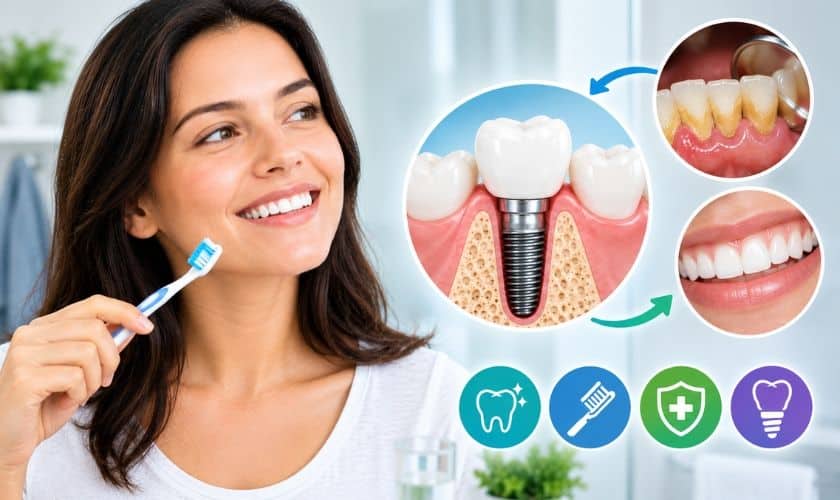
Maintaining a healthy smile involves more than brushing your teeth occasionally. Plaque control is an essential part of daily oral hygiene because it helps prevent cavities, gum disease, bad breath, and other dental concerns. Without proper care, plaque can build up on teeth and along the gumline, gradually affecting the health of your mouth.
For individuals and families in Paradise Valley, understanding how plaque forms and how to manage it can make a meaningful difference in long-term oral health. With consistent home care and routine dental checkups, you can protect your teeth, support healthy gums, and maintain a confident smile.
What Is Dental Plaque?
Dental plaque is a soft, sticky film of bacteria that continually forms on the surfaces of your teeth. When you eat or drink foods containing sugars and starches, bacteria in plaque produce acids that can weaken tooth enamel. If plaque is not removed regularly, these acids may contribute to cavities.
Plaque can also collect near the gumline and between teeth, where cleaning may be more difficult. Over time, minerals in saliva can harden plaque into tartar, also called calculus. Unlike soft plaque, tartar cannot be removed effectively with a toothbrush or floss and generally requires professional dental cleaning.
Why Is Plaque Control Important?
1. Helps Prevent Cavities
One of the primary benefits of plaque control is reducing the risk of tooth decay. Bacteria in plaque produce acids that gradually weaken enamel. Brushing twice daily with fluoride toothpaste, flossing regularly, and limiting frequent sugary snacks can help protect teeth from damage.
Removing plaque consistently also helps prevent bacteria and food debris from remaining on tooth surfaces for extended periods.
2. Protects Your Gums
Plaque buildup along the gumline can irritate gum tissue, causing redness, tenderness, swelling, and bleeding during brushing. These symptoms may indicate gingivitis, an early stage of gum disease.
If plaque and tartar remain untreated, gum inflammation can progress to periodontitis, which damages the tissues and bone supporting your teeth. Proper plaque control helps maintain healthier gums and lowers the risk of these complications.
3. Reduces Bad Breath
Persistent bad breath, also known as halitosis, can develop when bacteria break down food particles and release unpleasant-smelling compounds. Plaque buildup on teeth and around the tongue may contribute to this problem.
Brushing your teeth, cleaning between them, and gently brushing your tongue can help reduce odor-causing bacteria. Drinking enough water also supports saliva production, which helps wash away food particles.
4. Helps Prevent Tartar Buildup
When plaque remains on teeth, it can harden into tartar. Tartar creates a rough surface where additional plaque can accumulate, making effective home cleaning more difficult.
Regular dental cleanings help remove hardened deposits that brushing and flossing cannot eliminate. Keeping plaque under control between appointments can make it easier to maintain a clean mouth and healthy gums.
5. Supports Long-Term Oral Health
Healthy teeth and gums make everyday activities such as eating, speaking, and smiling more comfortable. Consistent plaque control can reduce the likelihood of preventable dental problems and help preserve natural teeth.
For residents of Paradise Valley, establishing effective oral hygiene habits early can support lasting dental health for both adults and children.
How to Control Plaque Every Day
Effective plaque control starts with a consistent routine. Follow these practical steps to keep bacterial buildup under control:
- Brush twice daily: Use a soft-bristled toothbrush and fluoride toothpaste. Brush gently for two minutes, paying attention to every tooth and the gumline.
- Floss once a day: Clean between your teeth to remove plaque and food particles that toothbrush bristles may miss.
- Choose a balanced diet: Limit sugary drinks, sweets, and frequent snacking. Include nutritious foods such as vegetables, fruits, and other options that support overall health.
- Clean your tongue: Gently brush your tongue or use a tongue cleaner to reduce bacteria that can contribute to bad breath.
- Drink water regularly: Water helps rinse away food debris and supports saliva, which naturally protects your teeth.
- Schedule dental checkups: Professional examinations and cleanings help identify early signs of decay, gum inflammation, and tartar buildup.
Replace your toothbrush when the bristles become frayed, usually every three to four months, or sooner if needed. An electric toothbrush may also help some people remove plaque more effectively when used correctly.
When Should You Seek Professional Dental Care?
Bleeding gums, persistent bad breath, swollen gum tissue, and visible hardened deposits may indicate that your oral hygiene routine needs attention. Tooth sensitivity or ongoing discomfort may also require an examination to determine the cause.
The dental team at Paradise Valley Dental can help patients understand their oral health needs and learn effective plaque management techniques. If you notice persistent gum problems or have concerns about your cleaning routine, contact us to discuss your symptoms and possible next steps.
Routine dental visits are important even when your teeth feel healthy because early dental problems do not always cause noticeable symptoms. If you live in Paradise Valley, make preventive oral care part of your regular routine and visit our dental office for professional guidance when needed.
Frequently Asked Questions
- What happens if plaque is not removed from teeth?
When plaque remains on teeth, its bacteria produce acids that can cause cavities and irritate the gums. Over time, plaque may harden into tartar, increasing the risk of gum disease and making professional cleaning necessary.
- How often should I brush my teeth to control plaque?
Brush twice daily for two minutes using fluoride toothpaste and a soft-bristled toothbrush. Daily flossing is also important because it removes plaque and food particles from areas a toothbrush cannot reach effectively.
- Can plaque cause gum disease?
Yes. Plaque buildup near the gumline can cause inflammation, redness, swelling, and bleeding. Without proper cleaning and treatment, gum disease may progress and damage the tissues and bone supporting your teeth.
- What is the difference between plaque and tartar?
Plaque is a soft, sticky film of bacteria that can be removed with regular brushing and flossing. Tartar forms when plaque hardens on teeth and generally requires professional dental instruments for removal.
- Does mouthwash remove dental plaque?
Some mouthwashes can help reduce oral bacteria, but they do not replace brushing and flossing. An appropriate therapeutic mouthwash may support plaque control when combined with consistent oral hygiene habits.
- Can diet affect plaque buildup?
Yes. Frequent consumption of sugary foods and drinks provides fuel for bacteria that produce enamel-damaging acids. Limiting added sugars, drinking water, and maintaining a balanced diet can support better oral health.
- How often should I get professional dental cleanings?
Many people benefit from professional cleanings every six months, but the ideal schedule depends on individual oral health needs. People with gum disease or significant tartar buildup may require more frequent visits.
Recent Posts
October 28, 2026
How Smoking Can Affect Your Dental Implants

October 19, 2026
What Causes Sudden Swelling Around a Tooth? Common Reasons

October 12, 2026
One Family Dentist Beats Five Scattered Appointments Every Time
October 5, 2026
Why Is Plaque Control Important for Your Oral Health?
September 11, 2026