

Blog
Knocked-Out Tooth? What to Do in the First 30 Minutes
July 10, 2026
Dental Care
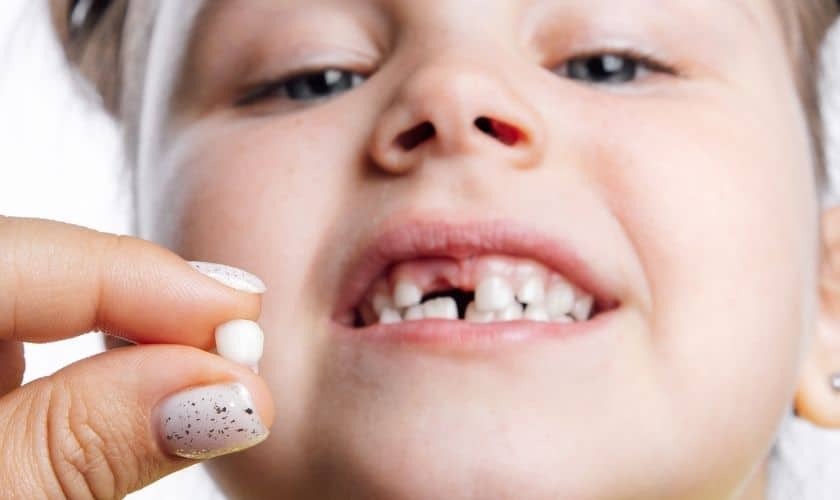
A knocked-out tooth is one of the most serious dental emergencies, but acting quickly can make all the difference. Whether the injury happens during sports, a fall, or an accident, the first 30 minutes are often the best opportunity to save the tooth. Knowing the right steps before reaching a dentist can improve the chances of successful reimplantation and help protect your long-term oral health.
If you’re in Paradise Valley, understanding what to do immediately after a dental injury can help you stay calm and make informed decisions until professional care is available.
Why the First 30 Minutes Matter
When a permanent tooth is completely knocked out, the tiny living cells attached to the root begin to dry out. The sooner the tooth is placed back into its socket or stored properly, the greater the likelihood that a dentist can save it.
Quick action reduces the risk of infection, bone loss, and permanent tooth replacement procedures later on.
Step 1: Stay Calm and Find the Tooth
The first step is to locate the tooth immediately. Handle it carefully by the crown, which is the visible chewing surface. Never hold or scrub the root, as this can damage the delicate tissues needed for successful healing.
If the tooth cannot be found, ensure it hasn’t been swallowed or inhaled, especially after a significant facial injury.
Step 2: Gently Rinse the Tooth
If dirt or debris is present, rinse the tooth gently with clean water for just a few seconds. Avoid using soap, disinfectants, or chemicals.
Do not:
- Scrub the tooth
- Dry it with a cloth
- Wrap it in tissue
- Remove any attached soft tissue
Keeping the root surface intact greatly improves the chances of saving the tooth.
Step 3: Reinsert the Tooth If Possible
If the injured person is alert and it’s a permanent tooth, carefully place it back into its socket with the correct orientation.
Once inserted:
- Bite gently on clean gauze or a soft cloth.
- Keep the tooth stable.
- Avoid excessive movement.
If reinsertion isn’t possible, proper storage becomes extremely important.
Step 4: Store the Tooth Correctly
Never allow the tooth to dry out.
Good storage options include:
- Cold milk
- Saline solution
- A tooth preservation kit (if available)
- Inside the person’s cheek (only for cooperative adults)
Avoid storing the tooth in plain water for extended periods, as this can reduce cell survival.
Step 5: Control Bleeding
Place clean gauze over the injured area and apply gentle pressure. Mild bleeding is common after a tooth is knocked out.
A cold compress placed on the outside of the face can also help reduce swelling and discomfort while travelling for emergency dental treatment.
Seek Immediate Dental Care
Even if the tooth has been successfully reinserted, it still requires professional evaluation. A dentist will examine the tooth, surrounding bone, and soft tissues before stabilising the tooth with a temporary splint if necessary.
At Paradise Valley Dental, prompt emergency care can improve the likelihood of preserving your natural smile after an accident. Calling 480-998-7775 before arriving allows the dental team to prepare for your emergency.
What If It’s a Baby Tooth?
Unlike permanent teeth, baby teeth should not be placed back into the socket. Reinserting them may damage the developing permanent tooth underneath.
Instead:
- Control any bleeding.
- Keep the child comfortable.
- Schedule an emergency dental examination to assess the injury.
Preventing Future Knocked-Out Teeth
Although accidents can’t always be avoided, you can lower your risk by:
- Wearing a custom mouthguard during sports.
- Using seat belts properly.
- Childproofing areas where young children play.
- Avoiding chewing hard objects like ice or pens.
- Maintaining strong teeth through regular dental checkups.
Don’t Wait During a Dental Emergency
A knocked-out tooth is a true dental emergency where every minute counts. Acting quickly, handling the tooth properly, and seeking immediate professional care significantly improve the chances of saving the tooth. Learning these simple first-aid steps today can make a lasting difference if an accident occurs tomorrow.
If you or a loved one experiences a knocked-out tooth in Paradise Valley, visit our dental clinic as soon as possible for prompt evaluation and treatment.
Frequently Asked Questions
1. Can a knocked-out permanent tooth be saved?
Yes. If handled correctly and treated within about 30 to 60 minutes, many knocked-out permanent teeth can be successfully reimplanted. Fast action greatly improves the chance of long-term success.
2. Should I clean a dirty knocked-out tooth?
Rinse it gently with clean water for only a few seconds. Avoid scrubbing, using soap, or wiping the root because this can damage the cells needed for proper healing.
3. Can I store the tooth in water?
Plain water is not ideal for long periods because it can harm the living cells on the root. Milk or saline solution provides a much better temporary storage environment.
4. What should I do if I can’t put the tooth back in?
Place it in cold milk, saline, or a tooth preservation solution and seek emergency dental care immediately. Keeping the tooth moist increases the chance of successful treatment.
5. Should a baby tooth be put back into place?
No. Reinserting a knocked-out baby tooth may damage the developing permanent tooth underneath. A dental examination is still necessary to assess the injury properly.
6. Is bleeding normal after a tooth is knocked out?
Yes. Mild bleeding is expected. Apply gentle pressure with clean gauze and use a cold compress on the outside of the face to help minimise swelling and discomfort.
7. Can sports mouthguards prevent knocked-out teeth?
Custom-fitted mouthguards significantly reduce the risk of serious dental injuries during contact sports by cushioning impacts and helping protect teeth from sudden trauma.
Recent Posts
October 28, 2026
How Smoking Can Affect Your Dental Implants
October 19, 2026
What Causes Sudden Swelling Around a Tooth? Common Reasons

October 12, 2026
One Family Dentist Beats Five Scattered Appointments Every Time
October 5, 2026
Why Is Plaque Control Important for Your Oral Health?
September 11, 2026