

Blog
What Causes the Need for a Root Canal?
March 20, 2026
Root Canal Treatment
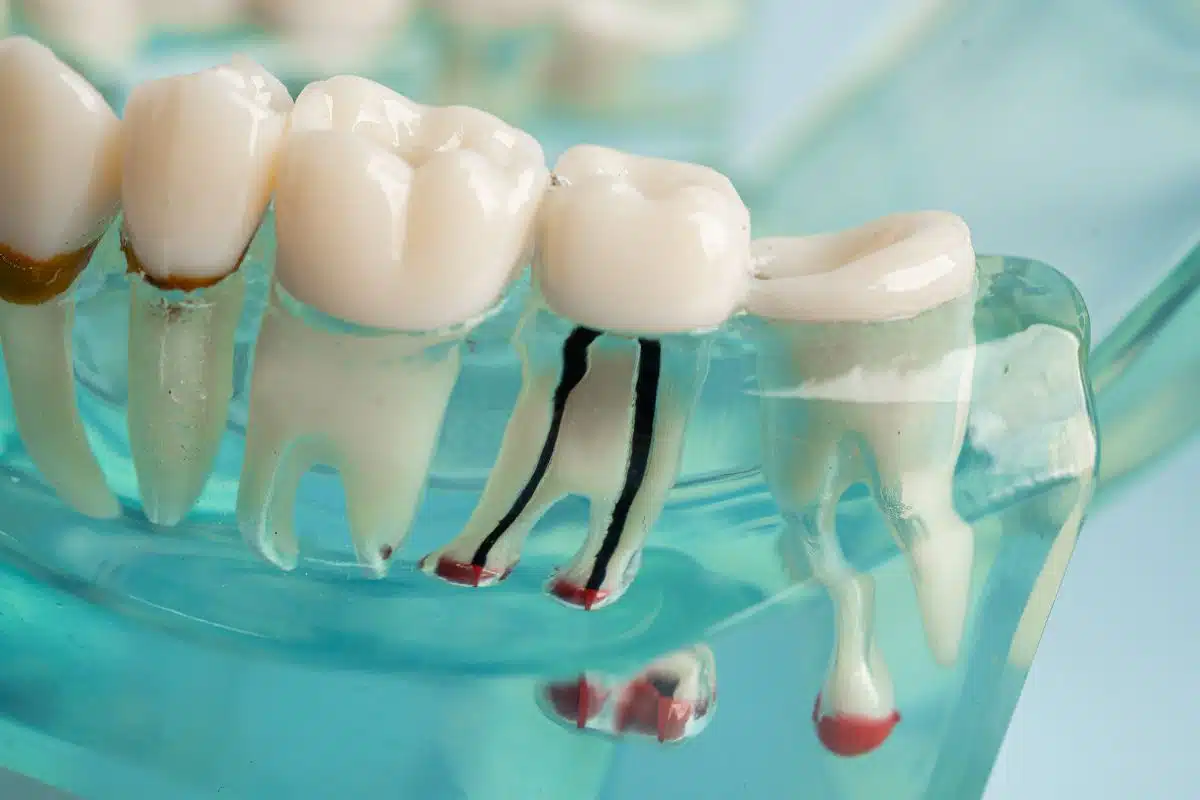
Your smile feels fine one day. Then a sudden toothache stops you cold. Many wonder exactly what pushes a healthy tooth to the point where a root canal becomes essential. Knowing the triggers helps you spot trouble early and keep your natural teeth strong for years.
The Inner Structure of Every Tooth
Teeth are not solid all the way through. A hard outer layer of enamel shields everything. Underneath sits dentin. At the very center lies the pulp. This soft tissue holds nerves, blood vessels, and connective cells that keep the tooth nourished and alive. When the pulp stays healthy, your tooth feels nothing unusual.
Leading Triggers That Damage the Pulp
Several everyday issues can inflame or infect this inner pulp. Each one opens the door for bacteria to cause serious problems.
Deep Decay Reaches the Core
Bacteria in plaque produce acid. Over time the acid eats through enamel and dentin. Once decay hits the pulp, infection spreads quickly. This remains the most common reason people need treatment.
Repeated Dental Work on the Same Tooth
Fillings, crowns, or large restorations stress the pulp. Each procedure brings minor trauma. After several, the tissue can become irritated and inflamed.
Cracks or Chips in the Tooth
A sudden bite on something hard or even normal chewing can create tiny fractures. Bacteria slip through these cracks and reach the pulp before you notice any visible damage.
Trauma from Injury
A fall, sports impact, or accident can harm the pulp even if the outer tooth looks fine. The damage may show up months or years later as lingering pain or infection.
These causes explain why some teeth need help while others stay trouble-free.
Our root canal therapy in Paradise Valley, AZ removes infected pulp, cleans the canals thoroughly, and seals the tooth to stop future problems. The goal stays simple: save the natural tooth whenever possible.
Clear Warning Signs to Watch For
Pay attention to your body. Lingering sensitivity to hot or cold drinks often appears first. Pain when you bite down signals deeper trouble. Swollen gums, a small pimple on the gum line, or darkening of the tooth also point to pulp issues. Catching these early prevents the infection from spreading to surrounding bone.
How the Treatment Protects Your Smile
Modern root canal procedures remove the damaged pulp and clean every canal. Dentists then fill and seal the space. A crown usually follows to restore strength. The entire process relieves pain fast and lets you keep your own tooth instead of losing it.
Everyday Steps to Lower Your Risk
Brush twice each day with fluoride toothpaste. Floss once daily to clear hidden plaque. Choose water over sugary drinks. Wear a mouthguard during sports. Schedule regular dental visits so small problems never grow large. These habits cut the chances of pulp damage dramatically.
Trending FAQs on Root Canals
Here are the questions patients ask most often right now:
- What exactly happens inside the tooth during a root canal? The dentist removes the infected pulp, cleans the canals, and seals them to stop bacteria.
- How do I know if I really need one? Severe pain, prolonged sensitivity, or swelling usually means the pulp is inflamed or infected.
- Does a root canal hurt during the procedure? Local anesthesia keeps you comfortable. Most people compare it to getting a filling.
- Can I avoid needing a root canal altogether? Strong daily hygiene, regular checkups, and avoiding hard foods reduce your risk significantly.
- What happens if I skip treatment? Infection can spread, create an abscess, damage nearby teeth, or lead to tooth loss.
Root Canal Facts at a Glance
| Statistic | Detail |
|---|---|
| Annual root canals in the US | Over 14 million |
| Most common cause | Deep decay |
| Typical success rate | Above 95% for long-term tooth retention |
| Main benefit | Saves your natural tooth |
If you are searching for a dentist near Paradise Valley, acting on early symptoms makes recovery smoother and keeps treatment straightforward.
Understanding these causes puts you in control. Small daily choices protect your teeth from reaching the point of serious infection. Stay proactive, listen to warning signs, and enjoy a confident smile that lasts. Contact us to schedule an appointment.
Recent Posts

May 26, 2026
Bumps in the Back of Tongue: Causes, Symptoms, and Treatment

May 19, 2026
Why Do I Keep Getting Bumps On My Tongue?

May 12, 2026
Mamelons Normal on Adult Teeth? What to Know

May 5, 2026
How to Manage Metallic Taste After Getting Implants?
April 24, 2026