Blog
Do Immediate Dentures Weaken Over Time?
August 6, 2025
Dentures
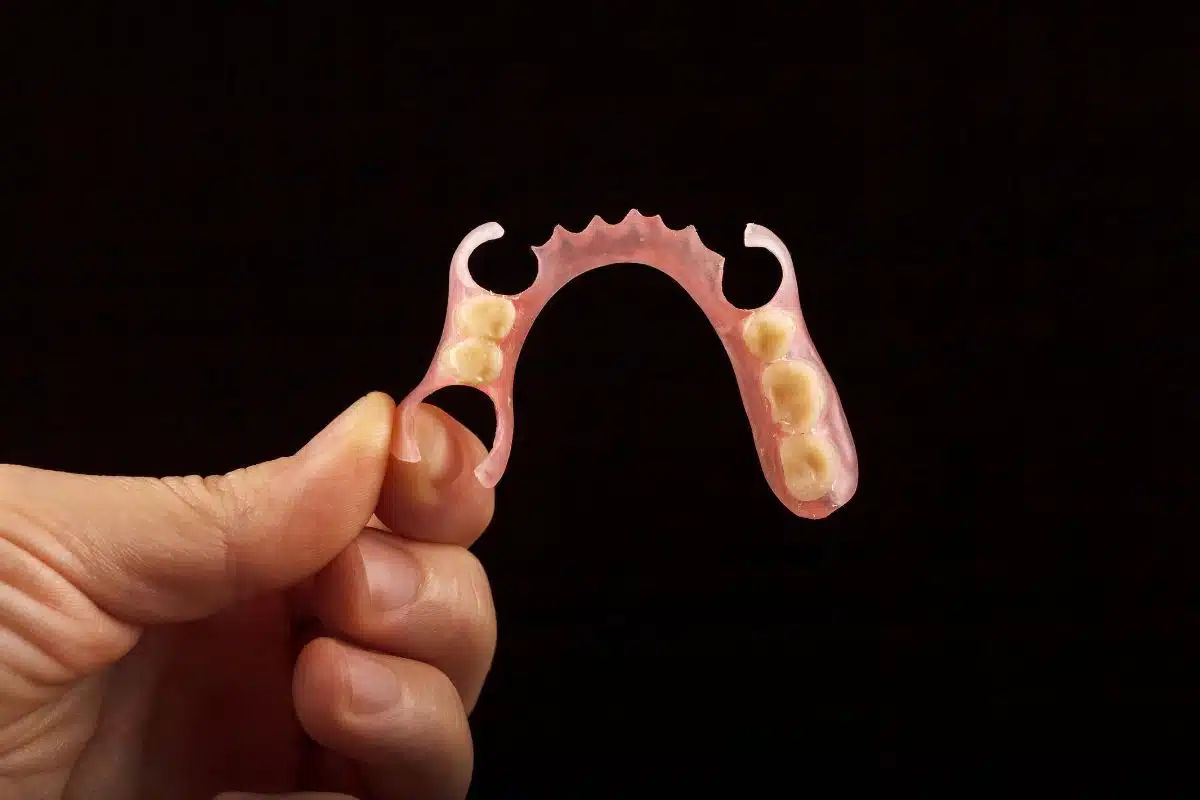
Have you ever wondered what happens to those replacement teeth you get right after an extraction? It’s a common worry for many facing tooth loss. Immediate dentures offer a quick solution to keep your smile intact, but questions about their durability often arise. In this post, we’ll dive into the facts, bust some myths, and give you the insights you need to feel confident about your choices.
Understanding Immediate Dentures
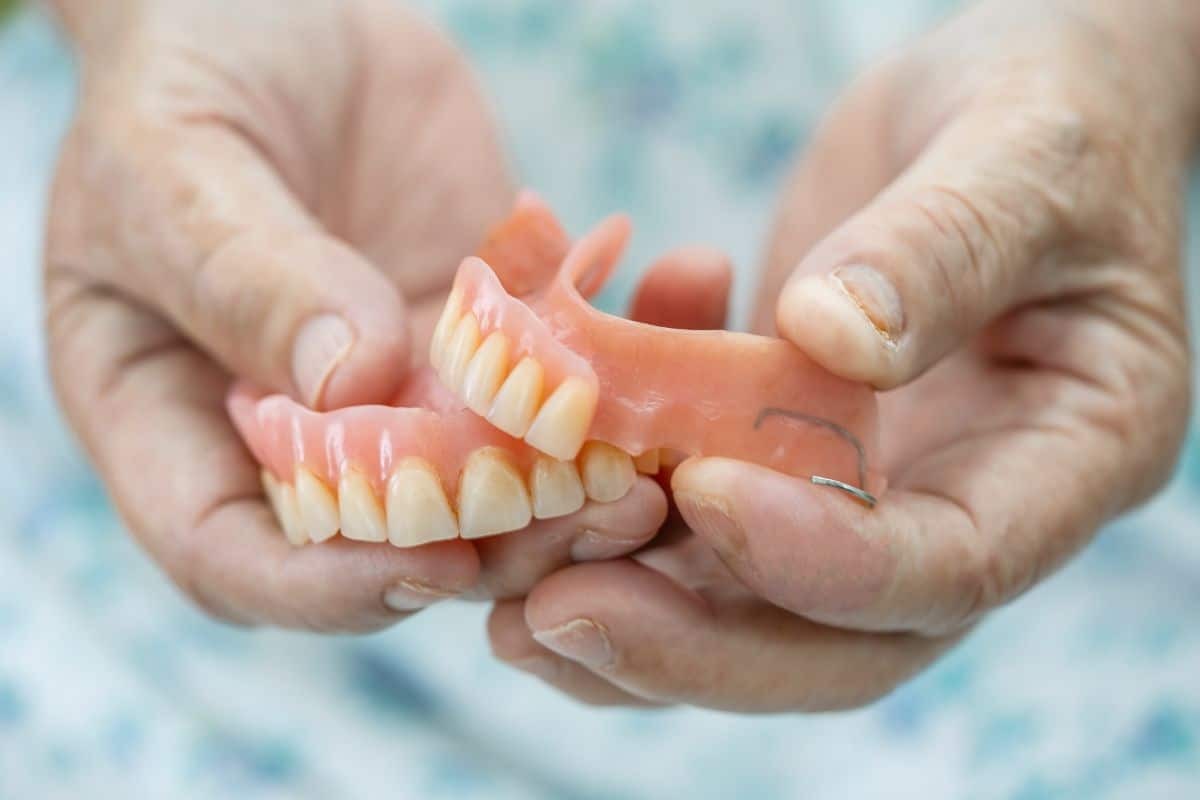
Immediate dentures step in right away when natural teeth are removed. They let you walk out of the office with a full set, avoiding that awkward gap in your smile during healing. Made from durable acrylic, these prosthetics mimic natural teeth and support your facial structure.
But here’s the key: they’re designed as a bridge to more permanent options. Your mouth changes after extractions, with gums swelling initially, then shrinking as they heal. This natural process can affect how well they fit over the first few months.
Many people ask if the material itself breaks down quickly. The acrylic is tough and resists everyday wear, but like any dental appliance, it isn’t indestructible. Chewing hard foods or poor care can lead to chips or cracks if not handled gently.
Factors That Influence Durability
Several elements play into how long immediate dentures hold up. Gum healing is a big one—after teeth come out, bone and tissue reshape over 4-6 months. This shrinkage often makes the fit looser, creating a sense that they’ve weakened.
Daily habits matter too. Grinding or clenching can stress the base, while smoking hinders healing and stains the surface. Proper cleaning keeps bacteria at bay, preventing issues that might make them feel less sturdy.
Adjustments are crucial. Dentists often add temporary liners to refine the fit during healing. Without these tweaks, discomfort rises, and it might seem like the dentures are failing prematurely.
The Role of Maintenance in Longevity
Regular care extends the life of immediate dentures. Rinse them after meals, soak overnight in a gentle cleaner, and brush with a soft brush. Avoid hot water, which can warp the shape.
Follow-up visits allow for relining, where a new layer is added to match your changed gum contours. This process restores snugness and function, countering any perceived weakening.
Think of it like tuning a car—small upkeep prevents big problems. With good habits, these dentures can serve well until your mouth stabilizes for a more permanent set.
In Paradise Valley, AZ, patients often seek immediate dentures for their convenience during recovery. Local experts emphasize early adjustments to maintain comfort and effectiveness.
Common Concerns Addressed
One worry is soreness in the early weeks. It’s normal as your mouth adapts, but soft foods and over-the-counter relief help. Speech might slur at first, but practice smooths it out.
Another issue: do they shift while eating? Yes, initially, but adhesives provide stability until healing advances. Patience pays off as your body adjusts.
For those curious about the process, the immediate denture steps involve initial impressions, extraction, and same-day placement, followed by refinements.
Trending FAQs on Immediate Dentures
Based on what people frequently search online, here are some top questions with clear answers:
- How long do immediate dentures last? They typically serve for 6-12 months as a temporary solution, then often need relining or replacement for optimal fit.
- Do immediate dentures need to be replaced? Yes, most require a permanent reline or new set after full healing to address gum changes.
- What are the disadvantages of immediate dentures? They may need frequent adjustments, can cause initial discomfort, and aren’t as precise in fit since they’re made before extractions.
- How long after immediate dentures can I eat normally? Start with soft foods for the first few weeks; normal eating resumes in 1-2 months as healing progresses.
- Are immediate dentures painful? Some soreness is common post-insertion, but it eases with time and proper care.
These FAQs highlight real user curiosities, drawing from popular searches.
Stats on Denture Performance
To give you a clearer picture, here’s a table with key statistics on denture longevity and adjustments, based on dental studies:
| Aspect | Immediate Dentures | Conventional Dentures |
|---|---|---|
| Average Lifespan | 6-12 months (temporary) | 5-10 years |
| Adjustment Frequency | Every 1-3 months initially | Annually |
| Relining Needed | 80-90% of cases after healing | 50-60% over time |
| Patient Satisfaction Rate | 70% in the first 6 months | 85% long-term |
These numbers show immediate options require more upkeep, but fill a vital gap.
Alternatives and Enhancements
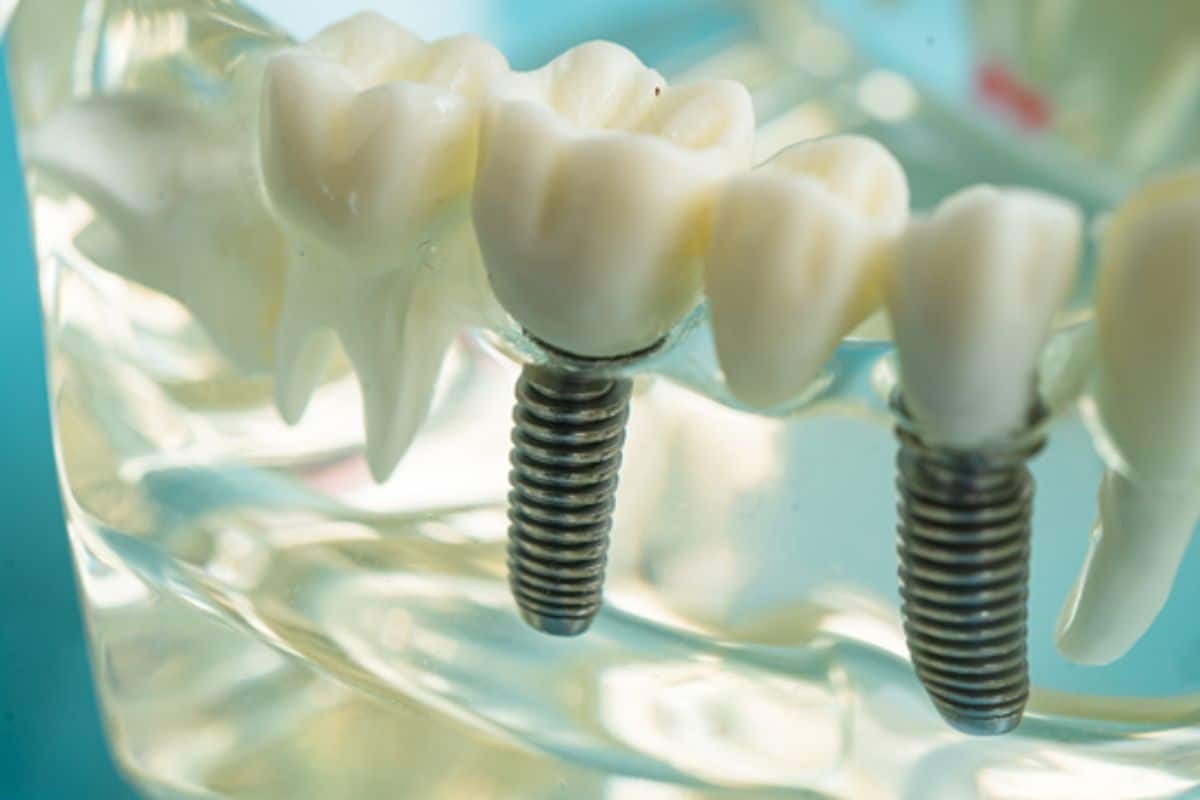
If weakening concerns you, consider enhancements like implant-supported dentures for added stability. These anchors to posts in the jaw, reducing movement and bone loss over time.
Partial dentures suit those with some teeth left, blending seamlessly for function. Discussing options with a pro helps tailor the best path.
Remember, no solution is set-it-and-forget-it. Ongoing check-ups ensure everything stays in top shape.
Tips for Success with Immediate Dentures
Stay hydrated to ease dry mouth, which can irritate tissues. Practice speaking aloud to adapt faster.
Choose nutrient-rich soft foods like yogurt or mashed veggies early on. Gradually introduce firmer items as comfort grows.
Track any persistent issues and report them promptly—early fixes prevent bigger hassles.
As you navigate this journey, know that immediate dentures provide a reliable start. They protect your gums during healing and boost confidence right away. If you’re ready to explore options, reach out to a dentist serving near Paradise Valley, AZ, and surrounding communities. Call 480-998-7775 to schedule an appointment and get personalized guidance.