

Blog
How Dental Bridges Prevent Teeth from Shifting After Tooth Loss?
November 26, 2024
Dental Bridge
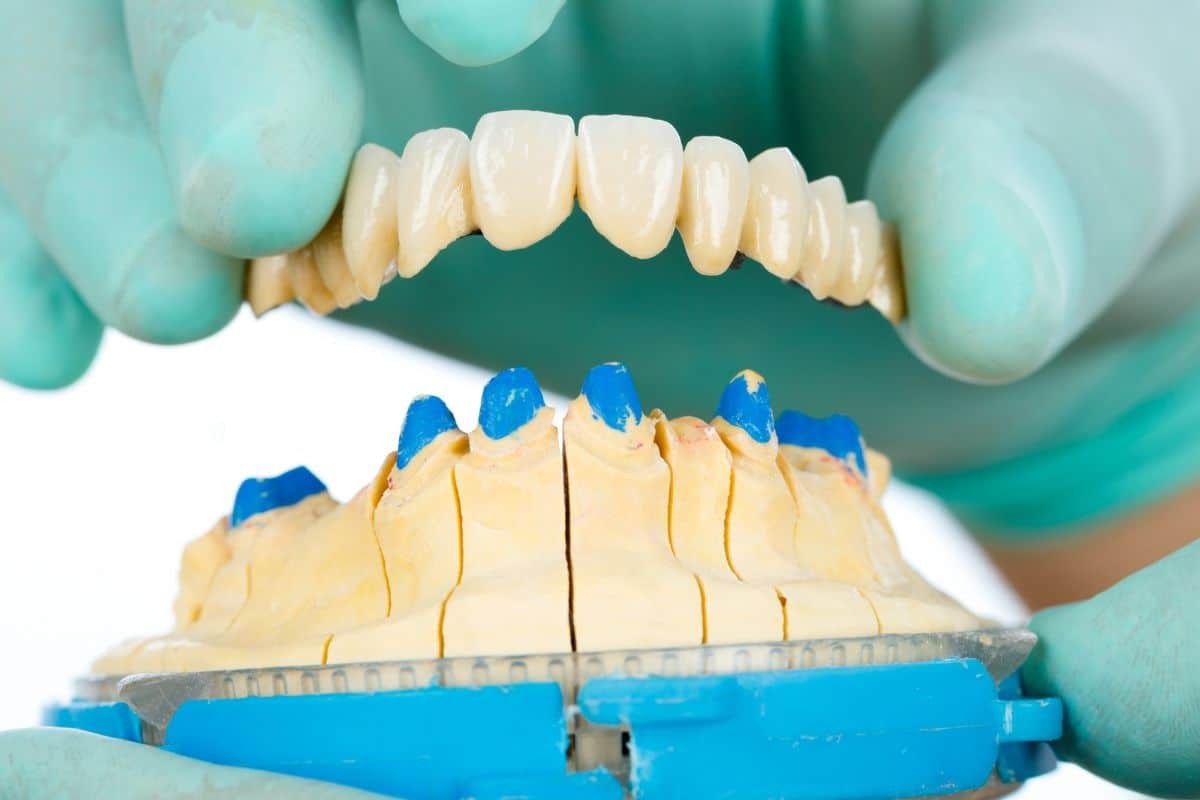
When a tooth is lost due to decay, injury, or other dental issues, it can affect your entire smile and oral health. One of the most common solutions for replacing missing teeth is a dental bridge. A dental bridge not only restores the appearance of your smile but also plays a crucial role in preventing your remaining teeth from shifting out of place. Here’s how dental bridges help keep your teeth aligned and maintain your oral health.
1. Preventing Teeth Shifting
The most immediate benefit of a dental bridge is its ability to fill the gap left by a missing tooth. When a tooth is lost, the adjacent teeth may begin to shift toward the space. This shifting occurs because teeth are naturally inclined to move into open spaces, which can lead to misalignment and bite issues over time.
A dental bridge, which consists of an artificial tooth (pontic) anchored to the surrounding teeth, essentially “bridges” the gap. By filling this space, it keeps the neighboring teeth in their proper positions, preventing them from shifting into the empty area.
2. Maintaining Your Bite Alignment
When teeth shift after tooth loss, it can disrupt your bite alignment, leading to problems such as overbites or underbites. Misaligned teeth can cause difficulty chewing, increased wear on certain teeth, and even jaw pain. A dental bridge helps to restore the natural alignment of your bite by preventing the shifting of surrounding teeth, ensuring that your teeth come together properly.
In some cases, a dental bridge can also help balance the forces exerted on the teeth while chewing, reducing the risk of jaw issues or tooth wear due to uneven pressure.
3. Improving Oral Function
Without a dental bridge, the loss of a tooth can impact your ability to chew certain foods properly. If teeth start shifting, you may experience discomfort or difficulty when biting down, which can affect your overall oral function. A dental bridge not only restores the appearance of your smile but also helps restore normal chewing function.
The artificial tooth within the bridge fills the gap, allowing you to chew food with ease, without putting unnecessary stress on your remaining teeth. This makes daily tasks, such as eating and speaking, much easier and more comfortable.
4. Preserving Bone Health
When a tooth is lost, the underlying jawbone may begin to deteriorate due to a lack of stimulation. This is because the bone receives stimulation through the tooth roots when you chew. A dental bridge, especially one that is supported by dental implants, can help preserve the jawbone structure by providing some stimulation and preventing bone loss. Although a bridge alone does not replace the tooth root, it plays a role in maintaining bone health by keeping teeth in place and encouraging proper oral function.
5. Enhancing Aesthetic Appeal
Beyond the functional benefits, dental bridges also improve the aesthetics of your smile. When teeth shift, the alignment and appearance of your smile may change, which can affect your confidence. A dental bridge restores your smile by filling the gap with a lifelike replacement tooth that matches the color and shape of your natural teeth. This can help you regain a confident, radiant smile.
Conclusion
A dental bridge offers much more than just an aesthetic solution for missing teeth. By preventing surrounding teeth from shifting, maintaining proper bite alignment, and preserving oral function, dental bridges are a valuable tool in maintaining your overall oral health. If you’ve lost a tooth, consult with your dentist to explore how a dental bridge can help you keep your smile intact and ensure that your remaining teeth stay healthy and aligned.
Recent Posts
October 28, 2026
How Smoking Can Affect Your Dental Implants
October 19, 2026
What Causes Sudden Swelling Around a Tooth? Common Reasons

October 12, 2026
One Family Dentist Beats Five Scattered Appointments Every Time

October 5, 2026
Why Is Plaque Control Important for Your Oral Health?
September 11, 2026