Blog
Is Gum Cutting Normal with Invisalign? When to Seek Help
November 5, 2024
Invisalign
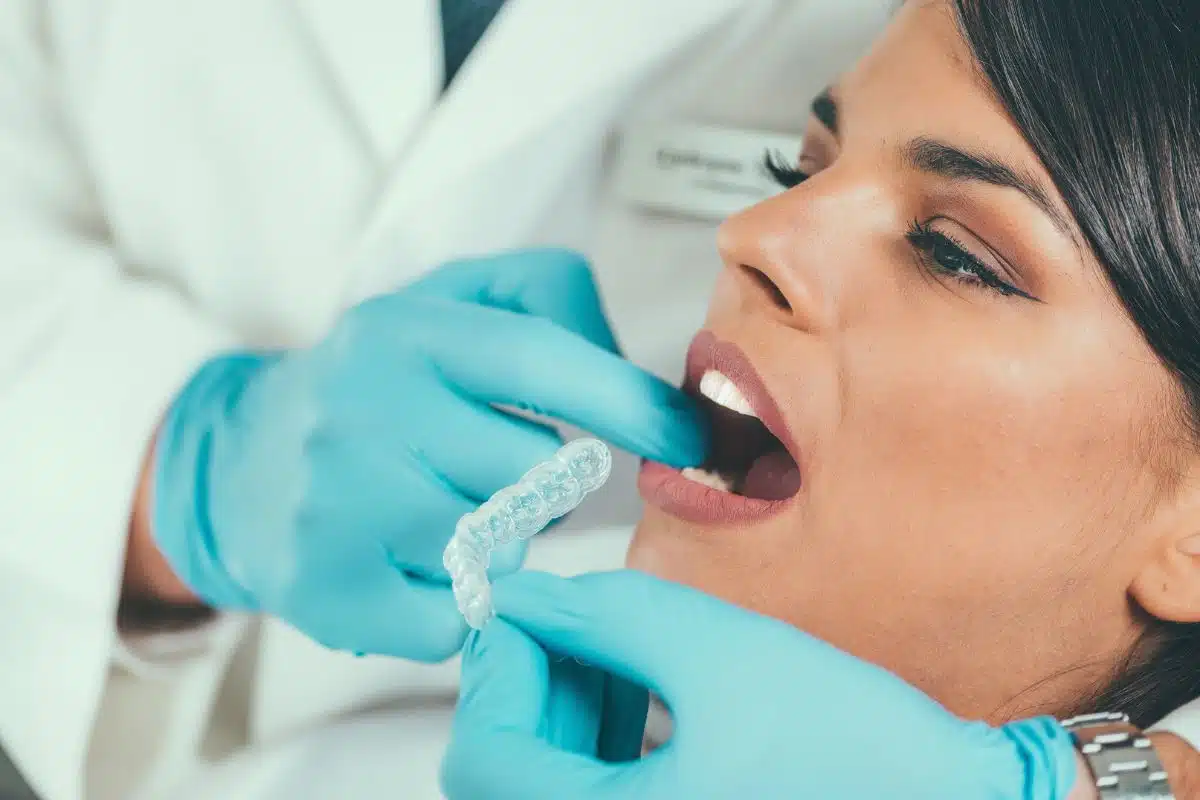
Invisalign aligners have gained popularity as a discreet and comfortable alternative to traditional braces. They offer convenience, but some wearers experience an unexpected side effect: gum irritation or cuts. If you’re wondering whether gum cutting is normal with Invisalign, you’re not alone. Here, we’ll explore why aligners might cause discomfort when this is considered normal and when to seek professional help.
Why Invisalign Aligners May Irritate Your Gums
Invisalign trays are custom-made to fit your teeth, but even a slight misfit or sharp edge can lead to gum irritation. Some common reasons include:
- Sharp Edges or Rough Trays: Occasionally, the edges of your aligners may have rough spots or sharp points. This can happen during manufacturing or as a result of wear and tear, causing discomfort around the gums.
- Improper Fit: If the aligner doesn’t fit your teeth perfectly, it can rub against the gums or soft tissues in your mouth, causing cuts or irritation. This may happen if the aligner was damaged or if you accidentally mishandled it.
- New Aligners Adjustment Period: Each time you switch to a new set of aligners, your gums and teeth go through an adjustment phase. Minor discomfort is common during this transition, as the new aligners may feel slightly tight or rub against the gums until they settle in.
- Movement of Teeth: As your teeth shift to new positions, your gums might feel sore or sensitive, making them more prone to cuts or irritation.
Is Gum Cutting with Invisalign Normal?
Some level of irritation or tenderness is relatively common when beginning Invisalign treatment or transitioning to a new set of trays. Minor discomfort typically subsides after a few days as your mouth adjusts. However, if you experience persistent pain, visible cuts, or ongoing soreness, it’s worth investigating further. Continuous gum irritation is not a typical part of Invisalign treatment and could be a sign that something needs to be adjusted.
Tips to Minimize Gum Irritation
If you’re dealing with minor gum irritation, these tips can help reduce discomfort:
- Smooth Sharp Edges: Carefully inspect your aligners for any rough edges. If you find sharp areas, you can lightly buff them with a nail file. However, do this gently, as over-filing could compromise the aligner fit.
- Use Orthodontic Wax: Applying orthodontic wax to the edges of your aligners can provide a cushion and prevent them from rubbing directly against your gums.
- Salt Water Rinse: Rinse your mouth with a warm saltwater solution to soothe irritated gums. Saltwater has natural anti-inflammatory properties that can help reduce soreness.
- Pain Relievers: If you’re experiencing pain or soreness, over-the-counter pain relievers may offer temporary relief.
- Take Breaks if Needed: If possible, give your mouth short breaks by removing your aligners for a few minutes each day (within the recommended wear time), especially if you feel soreness building up.
When to Seek Professional Help
While some irritation is normal, there are signs that suggest you should reach out to your dentist or orthodontist for assistance:
- Persistent Cuts or Pain: If the irritation lasts more than a few days or if you develop visible cuts, consult your dentist. Prolonged irritation could lead to infection if not addressed.
- Gum Swelling or Bleeding: Swollen or bleeding gums indicate that your aligners may be causing excessive pressure or friction. This could require an adjustment to prevent further issues.
- Difficulty Wearing Aligners: If your aligners feel consistently uncomfortable or painful to wear, there may be a fit issue. Your dentist can assess if the aligners need modification or replacement.
- Gum Infections or Lesions: If you notice any lesions, ulcers, or signs of infection around your gums, it’s essential to seek professional help immediately to prevent complications.
Conclusion
While some gum irritation with Invisalign is normal, consistent pain, visible cuts, or other issues are not. Addressing these problems early can help you stay on track with your treatment and keep your mouth healthy. If you’re experiencing ongoing gum discomfort, don’t hesitate to reach out to your dental professional for guidance—ensuring a comfortable experience as you work toward your dream smile.