

Blog
Teeth Whitening for Sensitive Teeth: Safe Options
September 20, 2024
Teeth Whitening
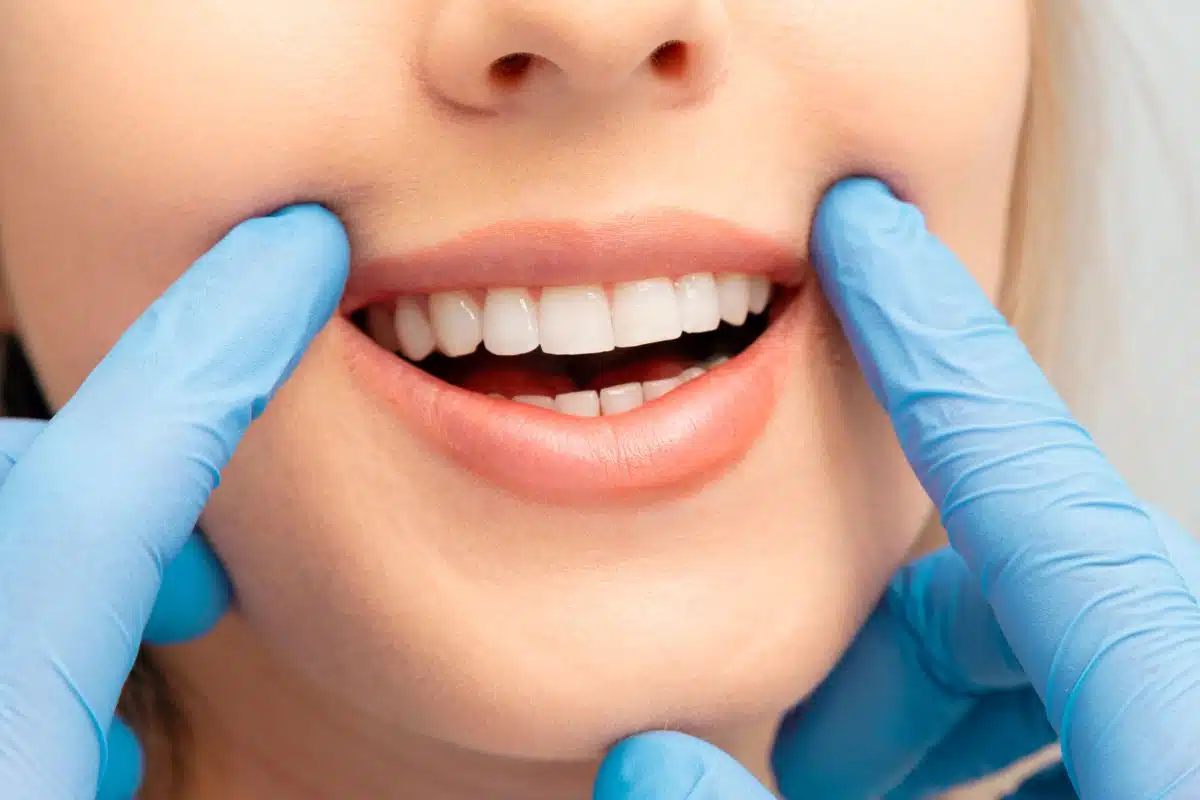
Achieving a bright, white smile is a common desire, but for those with sensitive teeth, the prospect of whitening can be daunting. Many traditional whitening methods can exacerbate sensitivity, leading to discomfort and discouragement. Fortunately, there are safe and effective options available for individuals with sensitive teeth.
Understanding Tooth Sensitivity
Tooth sensitivity occurs when the enamel that protects your teeth is worn down or when gum recession exposes the underlying dentin. This can make teeth more vulnerable to temperature changes and certain substances, resulting in pain or discomfort. For those seeking a brighter smile, it’s essential to choose whitening methods that minimize this sensitivity.
Safe Teeth Whitening Options
- Consult Your Dentist
Before starting any teeth whitening treatment, it’s crucial to consult with your dentist. They can assess your dental health and recommend the best whitening option for your needs. Professional guidance can help you avoid treatments that may worsen sensitivity.
- Professional Whitening Treatments
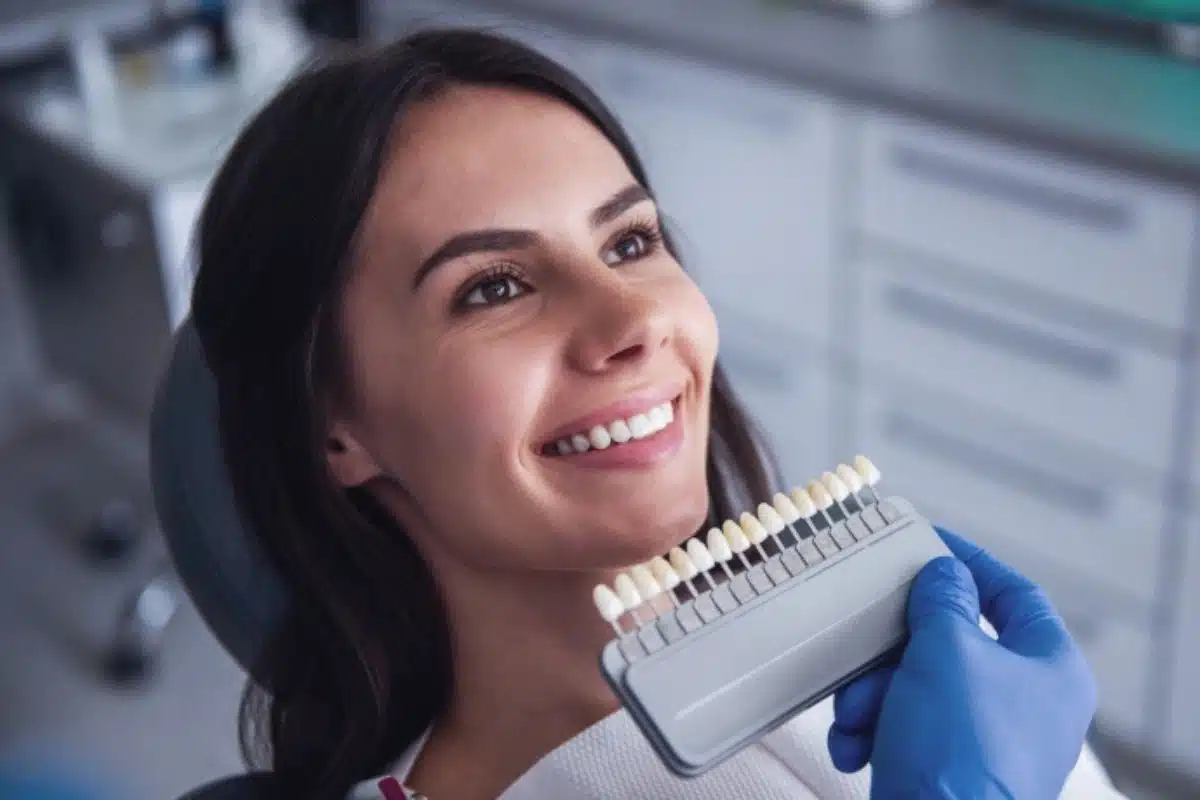
In-office whitening procedures conducted by a dentist are often the safest choice for sensitive teeth. These treatments use stronger whitening agents but are carefully applied under controlled conditions. Dentists can also provide protective measures, such as desensitizing agents, to minimize discomfort during the procedure.
- Custom Take-Home Kits
Many dental offices offer custom take-home whitening kits, which allow for gradual whitening at your convenience. These kits typically use lower concentrations of whitening agents, reducing the risk of sensitivity while still delivering noticeable results. Custom trays ensure even application and minimize contact with sensitive gum tissues.
- Whitening Toothpaste
Whitening toothpaste is a gentle option for those with sensitivity. While it may not produce dramatic results, it can help remove surface stains and brighten your smile over time. Look for toothpaste formulated for sensitive teeth, which often contains ingredients to reduce discomfort.
- Desensitizing Products
Consider using desensitizing toothpaste or mouthwash before and after whitening treatments. These products contain potassium nitrate or fluoride, which help soothe nerve endings and build up enamel, making your teeth less sensitive.
- Natural Remedies
Some natural whitening remedies, such as baking soda or activated charcoal, may be gentler on sensitive teeth. However, it’s important to use these sparingly and consult your dentist before trying any home remedies to ensure they won’t cause harm.
Tips for Minimizing Sensitivity During Whitening
- Limit Acidic Foods: Foods and beverages high in acidity can exacerbate sensitivity. Try to avoid them before and during your whitening treatment.
- Use a Soft-Bristled Toothbrush: A soft-bristled brush can help prevent further irritation to sensitive areas of your teeth and gums.
- Stay Hydrated: Drinking plenty of water can help maintain moisture in your mouth, reducing discomfort during the whitening process.
Conclusion
Teeth whitening for individuals with sensitive teeth is entirely possible with the right approach. By choosing safe options and consulting your dentist, you can achieve a brighter smile without exacerbating sensitivity. Remember, gradual whitening and protective measures are key to a comfortable and successful whitening experience. Enjoy your journey to a radiant smile with confidence!
Recent Posts
April 24, 2026
Can I Get Dentures if I Have Sensitive Gums?
April 17, 2026
How Do I Choose a Dental Implants Provider in Paradise Valley?

April 10, 2026
Does Invisalign Work for Open Bite Correction?
April 3, 2026
Do Dental Implants Cause Sinus Problems?
March 27, 2026