

Blog
Pain Management in Root Canal Treatment: What You Need to Know
August 4, 2024
Root Canal Treatment
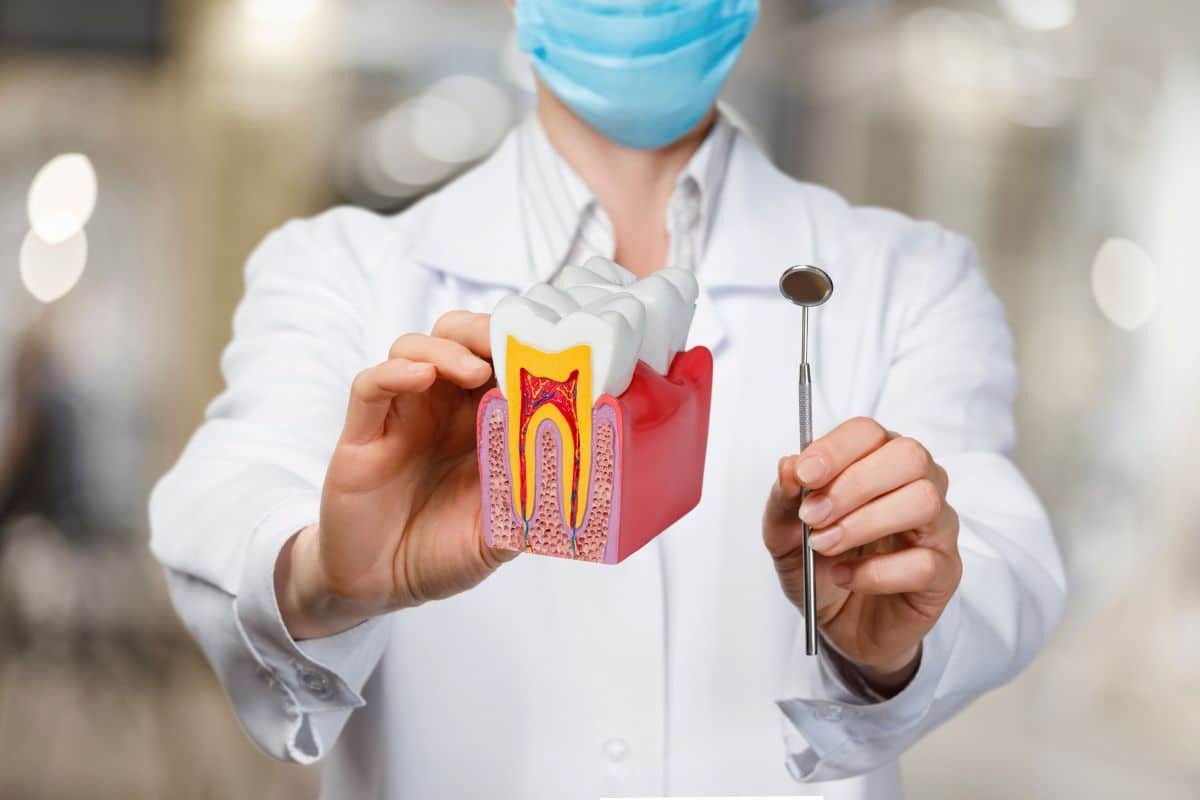
Root canal treatment (RCT) often has a reputation for being painful, but advancements in dental technology and techniques have made it a manageable procedure. Understanding pain management options can help alleviate any anxiety and ensure a smooth experience. Here’s what you need to know about managing pain during and after a root canal treatment.
Understanding Root Canal Treatment
A root canal is a procedure designed to save a tooth that has become severely decayed or infected. During the treatment, the dentist removes the infected pulp from inside the tooth, cleans and disinfects the area, and then seals it. This procedure can prevent the need for a tooth extraction and help maintain your natural smile.
Pain Management During the Procedure
- Local Anesthesia: The primary method for pain management during a root canal is local anesthesia. Your dentist will inject a local anesthetic into the area surrounding the tooth to numb it. This ensures that you won’t feel pain during the procedure. Modern anesthetics are very effective, and you should feel only minimal discomfort.
- Sedation Options: For patients who experience dental anxiety or need additional comfort, sedation options are available. Nitrous oxide (laughing gas), oral sedatives, or intravenous (IV) sedation can help you feel more relaxed during the procedure. Discuss these options with your dentist to determine what might be best for you.
- Pain Medication: Your dentist may also recommend over-the-counter pain relievers or prescribe medication to manage any discomfort you might feel after the anesthesia wears off. Common options include ibuprofen or acetaminophen, which can help reduce inflammation and pain.
Pain Management After the Procedure
- Follow Post-Procedure Instructions: Your dentist will provide specific aftercare instructions to help manage pain and promote healing. Following these instructions closely is crucial for a smooth recovery.
- Cold Compresses: Applying a cold compress to the outside of your cheek near the treated area can help reduce swelling and numb the area, providing relief from pain.
- Soft Foods: Stick to soft foods and avoid chewing on the treated side of your mouth until the tooth is fully restored. This helps prevent discomfort and minimizes the risk of complications.
- Oral Hygiene: Maintaining good oral hygiene is essential for healing. Brush and floss gently around the treated area and use any prescribed mouthwash as directed.
- Monitor and Report: It’s normal to experience some discomfort for a few days after the procedure, but severe or prolonged pain should be reported to your dentist. This could indicate an issue that needs attention.
When to Seek Further Help
While some discomfort is expected, it should be manageable with the methods outlined above. If you experience severe pain, swelling, or signs of infection, contact your dentist immediately. These could be signs of complications that need professional intervention.
Conclusion
Root canal treatment is a highly effective procedure for saving a damaged tooth and preserving your oral health. Pain management techniques, including local anesthesia, sedation, and post-procedure care, are designed to make the experience as comfortable as possible. By understanding and following these pain management strategies, you can approach your root canal treatment with confidence and ease.
If you have any concerns about the procedure or pain management options, don’t hesitate to discuss them with our dentist. We can provide personalized advice and ensure you have a positive experience throughout your root canal treatment.
Recent Posts
October 28, 2026
How Smoking Can Affect Your Dental Implants

October 19, 2026
What Causes Sudden Swelling Around a Tooth? Common Reasons

October 12, 2026
One Family Dentist Beats Five Scattered Appointments Every Time

October 5, 2026
Why Is Plaque Control Important for Your Oral Health?
September 11, 2026