

Blog
How Dental Sealants Protect Against Tooth Decay?
January 2, 2024
Denture care
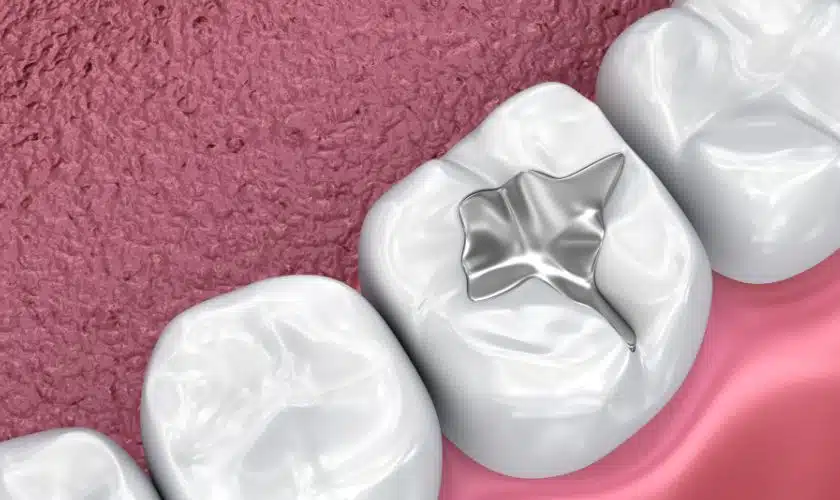
Dental sealants, a thin protective coating applied to the surfaces of teeth, play a crucial role in preventing tooth decay. In this blog, we unravel the science behind how dental sealants act as a powerful shield, safeguarding smiles against the threat of cavities.
Sealing Out Bacteria:
Dental sealants create a physical barrier, sealing the pits and fissures on the chewing surfaces of molars and premolars. This prevents bacteria and food particles from settling into the vulnerable crevices where cavities commonly form.
Smoothing Rough Surfaces:
The chewing surfaces of teeth are not always smooth, making them susceptible to the accumulation of plaque and bacteria. Dental sealants provide a smooth, even surface, making it more difficult for harmful agents to cling to the tooth enamel.
Protecting Vulnerable Areas:
Molars, with their intricate grooves and fissures, are particularly prone to decay. Dental sealants provide an extra layer of protection, especially for these hard-to-reach areas, reducing the risk of cavities.
Early Intervention for Children:
Children, who may not have perfected their oral hygiene habits, benefit significantly from dental sealants. Applying sealants to their permanent molars as soon as they emerge provides an early defense against decay during the formative years.
Long-lasting Prevention:
Dental sealants are durable and can withstand the wear and tear of daily chewing for several years. Regular dental check-ups ensure that any wear or damage to the sealants is promptly addressed, maintaining their effectiveness over time.
Minimally Invasive Protection:
Unlike some dental procedures, applying sealants is minimally invasive. There’s no need for drilling or removing tooth structure. The process involves cleaning the tooth surface, applying an adhesive, and then sealing it with a protective coating.
Cost-Effective Prevention:
Investing in dental sealants proves to be a cost-effective preventive measure compared to the potential expenses associated with treating cavities. It is a proactive approach that addresses the root cause of decay.
Conclusion:
Dental sealants stand as a formidable defense against tooth decay by creating a protective shield that keeps bacteria at bay. This preventive measure is particularly beneficial for children and adults alike, offering long-lasting protection without compromising the natural structure of the teeth. Embracing dental sealants as part of a comprehensive oral care routine is a proactive step toward preserving the health and radiance of one’s smile.
Recent Posts
April 24, 2026
Can I Get Dentures if I Have Sensitive Gums?
April 17, 2026
How Do I Choose a Dental Implants Provider in Paradise Valley?

April 10, 2026
Does Invisalign Work for Open Bite Correction?
April 3, 2026
Do Dental Implants Cause Sinus Problems?

March 27, 2026