

Blog
A Lifesaver for Kids: Why Dental Sealants Are Essential for Children
July 14, 2023
Sealants Treatment
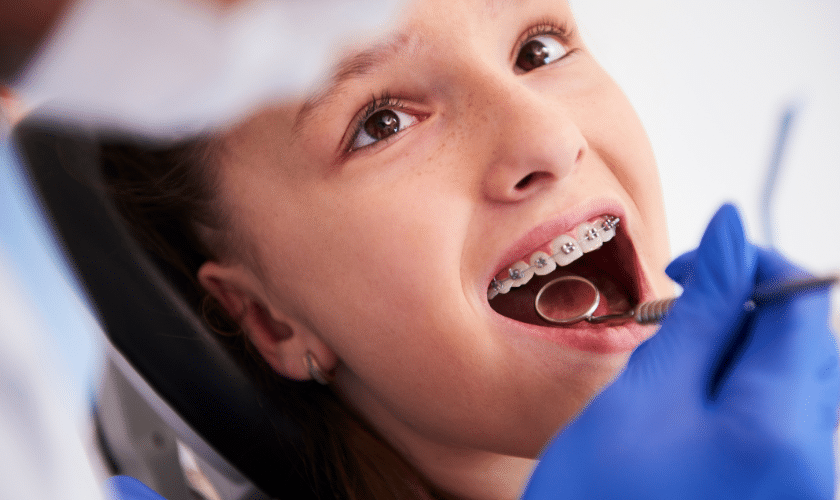
Attention parents! Are you constantly worried about your child’s dental health? Look no further, because we’ve got a game-changer for you. You are introducing dental sealants – the superheroes of oral hygiene that will save the day (and your sanity)! In this blog post, we’ll dive into everything you need to know about these magical tooth protectors and why they are an absolute must-have for every little one out there. Prepare to be amazed by their incredible benefits and learn how dental sealants can keep those precious smiles brighter than ever before. Don’t miss out on this essential information that could make all the difference in your child’s oral health journey!
What Are Dental Sealants?
Dental sealants are a type of preventive dental treatment that can help shield teeth from decay. They are usually applied to the chewing surfaces of the back teeth (molars), where tooth decay is most likely to occur.
Sealants are made of a clear or white composite resin material and work by physically sealing off the grooves and pits in teeth, which are prime sites for plaque accumulation and tooth decay. By sealing these areas off, sealants provide an effective barrier against decay-causing bacteria and food particles.
Sealants are most commonly applied to children’s teeth, as they are more susceptible to decay than adult teeth. However, adults can also benefit from sealants if they have deep grooves in their teeth or are at high risk for tooth decay.
Sealants are a simple and effective way to help prevent tooth decay. If you think your child might benefit from sealants, talk to your dentist about whether they would be right for your family.
Why Dental Sealants are Important for Kids
Dental sealants are a common and effective way to prevent tooth decay in children. Sealants are thin, plastic coatings that are applied to the chewing surfaces of the back teeth (molars). They act as a barrier, protecting the teeth from plaque and bacteria that can cause cavities. Sealants are most often used on permanent molars, which typically erupt around age 6 or 7. But they can also be used on primary (baby) teeth if there is a risk of cavities. Your child’s dentist will determine if sealants are necessary.
Sealants can last for several years, but they will need to be checked and reapplied as needed. The good news is that dental sealants are highly effective in preventing cavities. They can reduce the risk by up to 80%. If you’re looking for ways to keep your child’s smile healthy and cavity-free, dental sealants are a great option. Talk to your child’s dentist about whether sealants are right for your family.
The Benefits of Dental Sealants
Dental sealants are a vital part of preventive dental care for children. Sealants are thin, plastic coatings that are applied to the grooves on the chewing surfaces of the back teeth, where most cavities occur.
Sealants protect teeth from decay by keeping out food and plaque. They are especially important for children since their permanent molars don’t come in until they’re about six years old and they’re more susceptible to cavities during this time.
Sealants can last for several years and they’re relatively inexpensive, so they’re a great way to help keep your child’s teeth healthy and cavity-free.
How to Apply Dental Sealants
Dental sealants are a plastic material that is applied to the chewing surfaces of the back teeth — the molars and premolars. Sealants fill in the deep grooves and pits on these teeth so that food and bacteria cannot become trapped there and cause decay.
Sealants are most often put on children’s teeth as soon as their adult molars come in, which is typically around age 6. But bonds can be used on adults’ teeth, too.
The dentist or dental hygienist will first clean the tooth thoroughly to apply dental sealants. Then, he or she will roughen up the chewing surfaces of the tooth so that the sealant will adhere better. Next, the sealant is applied to the tooth in liquid form and allowed to harden. The entire process usually takes less than 30 minutes per tooth.
Alternatives to Dental Sealants
There are a few alternatives to dental sealants. One is called fluoride varnish, which is a thick, sticky fluoride gel that’s painted onto the teeth. It hardens into a protective coating that helps prevent cavities. Another alternative is called silver diamine fluoride, which is a liquid that contains silver and fluoride. It’s applied to the teeth and works by killing bacteria and stopping cavities from forming.
Conclusion
Dental sealants are a simple and cost-effective way to help protect the teeth of children from tooth decay. They create an effective barrier between the teeth and bacteria, helping to keep cavities at bay. With regular checkups and preventive care, dental sealants can be a lifesaver for kids, providing them with strong oral health that will last into adulthood.
Recent Posts
October 28, 2026
How Smoking Can Affect Your Dental Implants
October 19, 2026
What Causes Sudden Swelling Around a Tooth? Common Reasons

October 12, 2026
One Family Dentist Beats Five Scattered Appointments Every Time
October 5, 2026
Why Is Plaque Control Important for Your Oral Health?
September 11, 2026