

Blog
How Effective and Secure is Teeth Whitening?
March 14, 2023
Cosmetic Dentistry
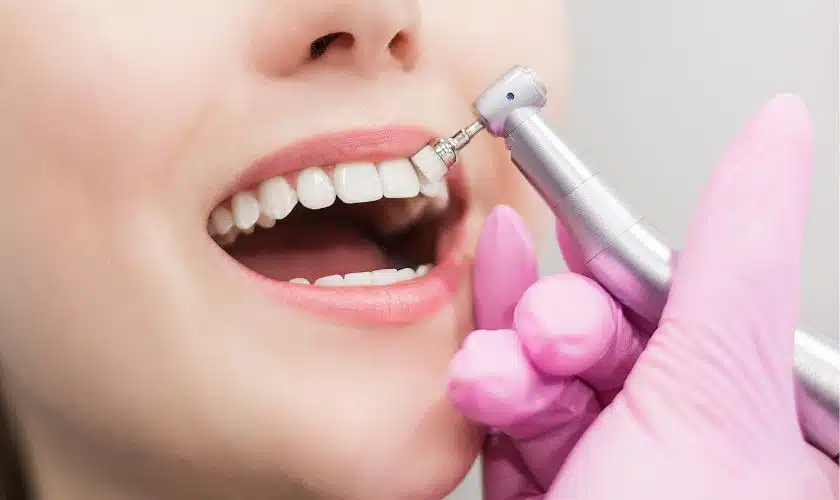
Want to flash a pearly-white smile without worrying about harmful chemicals or adverse effects? Teeth whitening has become one of the most popular cosmetic dental treatments out there, but how effective and secure is it really? In this blog post, we’ll delve into the world of teeth whitening and explore everything you need to know before taking the plunge. From DIY kits to professional in-office treatments, we’ll break down the risks and benefits so that you can make informed decisions for your oral health. Get ready to discover how to brighten your grin safely and effectively!
The Different Types of Teeth Whitening
There are several ways to whiten teeth, but not all methods are created equal. Some teeth whitening treatments are more effective than others and some come with greater risks. Here is a breakdown of the different types of teeth whitening:
1. Over-the-counter Teeth Whiteners:
These include gels, strips, toothpaste, and mouthwashes. They usually contain lower concentrations of bleaching agents than professional treatments and take longer to produce results.
2. Professional in-office Teeth Whitening:
This is done by a dentist or other trained professional and involves using a higher concentration of bleaching agent. Results are usually seen after just one treatment.
3. At-home Professional Teeth Whitening Kits:
These kits are prescribed by a dentist and contain a customized mouth tray and higher-concentration bleaching gel. They typically provide faster results than over-the-counter treatments but take longer than in-office treatments.
4. Teeth Bleaching:
This is done by a dentist or other trained professional and involves using a chemical solution to lighten the color of your teeth. Bleaching can have fairly dramatic results but may also cause some temporary side effects like sensitivity or irritation.
How to Choose the Right Teeth Whitening Method?
When it comes to teeth whitening, there are a variety of methods available on the market today. With so many options, it can be difficult to know which one is right for you. Here are some things to consider when choosing a teeth whitening method:
Your level of sensitivity: If you have sensitive teeth, you may want to choose a gentler teeth whitening option.
The results you want: Some teeth whitening methods are more effective than others. Be sure to ask your dentist about the expected results of each method before making your decision.
The Risks of Teeth Whitening
There are a few risks associated with teeth whitening, though they are generally mild and temporary. They include:
Tooth Sensitivity: Some people may experience temporary tooth sensitivity after whitening. This is usually due to the bleaching agents used and should go away within a day or two.
Gum Irritation: The gums can become slightly irritated during the whitening process. Again, this is usually due to the bleaching agents and should resolve itself quickly.
Excessive Bleaching: It is possible to over-bleach your teeth, which can lead to permanent damage such as increased sensitivity, weakening of the enamel, and even changes in the structure of your teeth. It is important to follow the directions of your whitening kit carefully to avoid this.
Conclusion
Teeth whitening is a great way to safely and effectively brighten your smile. With the right products and careful application, teeth whitening can help you look more attractive and boost your confidence. A professional teeth-whitening procedure is always the safest option as it provides more control over results and better protection against possible side effects. Whatever approach you decide to take, remember that maintaining good oral hygiene will help ensure long-lasting results from any teeth-whitening program.
FAQs
Are you looking to get your teeth whitened but are worried about how effective and secure the process is? Here are some frequently asked questions that will help put your mind at ease:
How long do teeth whitening last?
The effects of teeth whitening can last for several months, but this will vary depending on individual lifestyle habits (such as smoking or drinking coffee) and how well you take care of your teeth. Touch-ups may be necessary to maintain your desired level of whiteness.
Are teeth whitening bad for my teeth?
When done correctly by a professional, teeth whitening is safe for your teeth and gums. Be sure to avoid over-the-counter products that use harsh chemicals, as these can damage your tooth enamel and lead to sensitivity.
I’m interested in getting my teeth professionally whitened. What should I expect?
First, you’ll need to consult with a dentist or other qualified dental professional to determine if you’re a good candidate for treatment. If you are, they will develop a personalized treatment plan for you based on the severity of your staining
Recent Posts
April 24, 2026
Can I Get Dentures if I Have Sensitive Gums?
April 17, 2026
How Do I Choose a Dental Implants Provider in Paradise Valley?
April 10, 2026
Does Invisalign Work for Open Bite Correction?
April 3, 2026
Do Dental Implants Cause Sinus Problems?
March 27, 2026