Blog
4 Factors That Determine The Success Of Non-Surgical Root Canal Treatment
February 2, 2023
Root Canal Treatment

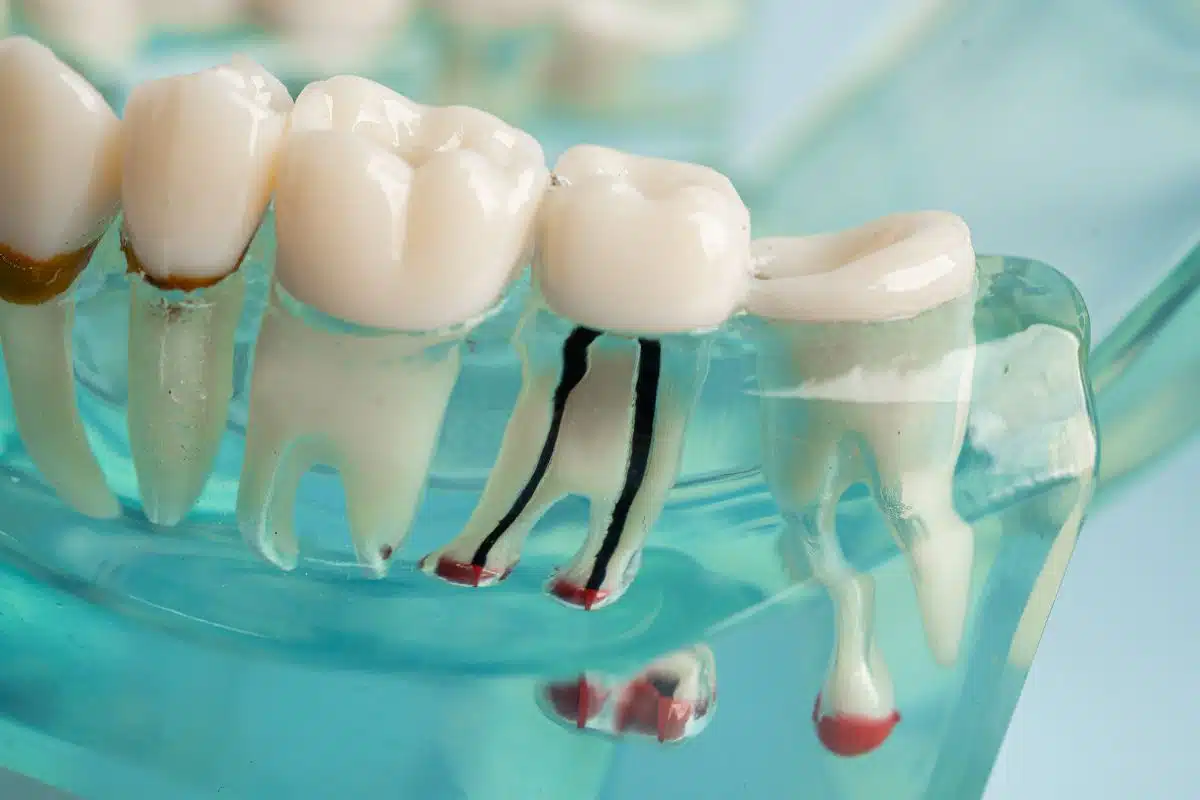
Several factors determine the success of non-surgical root canal treatment. The most crucial factor is the type of tooth involved. Molars have a higher success rate than incisors or canines. This is because molars have more roots and a larger pulp chamber, allowing better access and cleaning during the procedure.
Another critical factor is the extent of the damage to the tooth. Suppose the damage is limited to the enamel. In that case, the chances of success are much higher than if the injury extends into the dentin or pulp. The deeper the damage, the more difficult it is to clean and disinfect the tooth, which increases the risk of failure.
Finally, the dentist’s skill in performing the procedure is also critical. Experience and training are essential to achieve a successful outcome.
Factors that Determine The Success of Non-Surgical Root Canal Treatment
Several factors will determine the success of non-surgical root canal treatment. The first is the severity of the infection. If the disease is severe, it may be necessary to perform surgery to remove the infected tissue. The second factor is the type of bacteria present. Some bacteria are more resistant to treatment than others. The third factor is the size and shape of the root canal. If the root canal is large or complex, it may not be easy to clean and fill completely. The fourth factor is the quality of the tooth. If the tooth is weak or damaged, it may not be able to withstand the procedure. Finally, your overall health also plays a role in determining the success of treatment. Suppose you have a condition that compromises your immune system. In that case, you may be at a higher risk for complications following treatment.
– Cleaning and Shaping of the Root Canal
One of the most critical factors in the success of non-surgical root canal treatment is the cleaning and shaping of the root canal. If the root canal is not properly cleaned and shaped, the chances of the infection returning are much higher.
The first step in cleaning and shaping the root canal is to remove all of the infected tissue from the inside of the tooth. This includes all of the bacteria, debris, and pus. Once this is done, the root canal can be appropriately cleaned and shaped.
If you have an infection in your tooth, it is crucial to see a dentist as soon as possible. The sooner you get treatment, the better your chances are of avoiding surgery.
– Obturation of the Root Canal
One of the most essential factors in the success of non-surgical root canal treatment is the obturation, or sealing, of the root canal. This can be challenging, as the root canal is small and complex to reach space. There are several obturation methods, and your dentist or endodontist will determine the best approach based on the specific case. In general, however, there are three main types of obturation:
1. Fill the root canal with a rubber-like material called gutta-percha. Once placed in the root canal, it is sealed with a dental adhesive. Gutta-percha is available in different sizes and shapes; your dentist will choose the best one for your case.
2. Place a metal post in the root canal and then fill around it with gutta-percha. The center supports the filling material and helps prevent future problems. This method is often used when there is significant damage to the tooth structure.
3. Fill the root canal with a resin-based material. This filling is solid and durable but can be more difficult to place correctly. Your dentist will carefully place the resin-filling material in the root canal and then cure it with a special light.
– Sealing of the Access Cavity
It is vital to ensure that the access cavity is sealed correctly to prevent bacteria from entering and causing reinfection. This can be done using various materials, such as gutta-percha, resin-based sealers, or mineral trioxide aggregate. The type of material used will depend on the individual case and should be discussed with your dentist.
– Follow-up Visits with Your Dentist
If your root canal treatment is successful, you will generally not need to revisit your dentist for follow-up visits. However, it is essential to keep up with your regular dental appointments, cleanings, and any recommended treatments. If you experience any pain or discomfort after your treatment, contact your dentist immediately.
How to Ensure a Successful Non-Surgical Root Canal Treatment?
Several factors will determine the success of your non-surgical root canal treatment:
- It is crucial to choose an experienced and reputable endodontist.
- You must follow all of the post-operative instructions given to you by your endodontist.
- It is essential to have a good oral hygiene routine both before and after your treatment.
Take all of these factors into consideration. You can be sure that your non-surgical root canal treatment will be successful.
Conclusion
Non-surgical root canal treatment can be successful in many cases. Still, certain factors must be taken into consideration for a successful outcome. These include the degree of infection, proper instrumentation, cleaning of the root canal system, filling material used, and the amount of time between appointments. By following these guidelines and discussing your individual case with a certified endodontist who has experience in non-surgical root canal treatments, you can ensure that your dental health is restored as quickly and safely as possible.