

Blog
The Impact of Dental Crowns on Bite Alignment
June 26, 2024
Dental Crowns
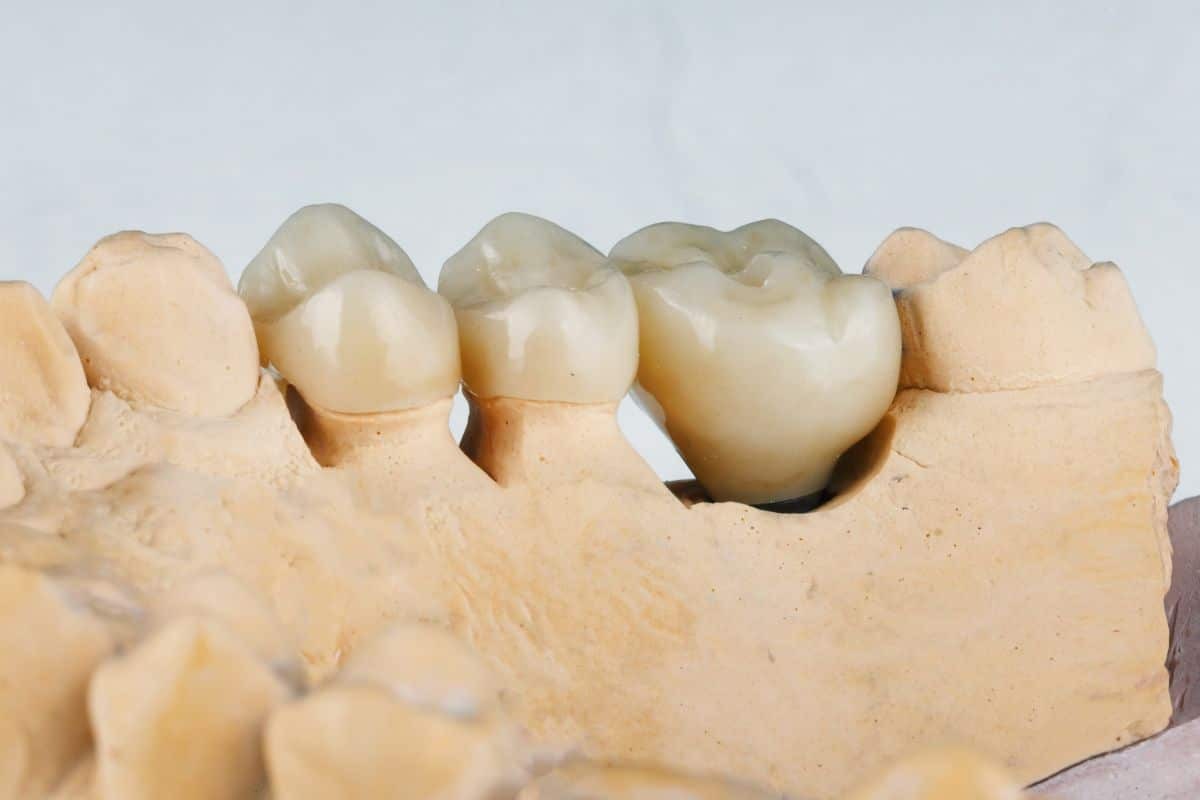
Dental crowns are versatile dental restorations used to strengthen and restore the shape, size, and functionality of damaged teeth. Beyond their cosmetic benefits, crowns can also play a significant role in improving bite alignment and overall dental health. Here’s a closer look at how dental crowns influence bite alignment:
1. Restoration of Tooth Structure:
Dental crowns are often used to restore teeth that are severely decayed, cracked, or weakened. By covering the entire visible portion of the tooth above the gum line, crowns provide structural support and prevent further damage. This restoration helps to maintain the integrity of the tooth and contributes to a more stable bite.
2. Correction of Bite Irregularities:
Misaligned teeth or bite irregularities can lead to issues such as difficulty chewing, jaw pain, and uneven wear on teeth. Dental crowns can be customized to correct these irregularities by reshaping and repositioning the teeth. This process improves the alignment of your bite, enhancing both function and aesthetics.
3. Treatment of Dental Misalignment:
In cases where dental misalignment is more pronounced, crowns can be part of a comprehensive treatment plan that includes orthodontic adjustments. By capping misaligned teeth with crowns, dentists can help guide them into more favorable positions within the dental arch. This approach not only improves bite alignment but also enhances overall dental harmony.
4. Support for Dental Bridges and Implants:
Crowns are essential components of dental bridges and implants, which are used to replace missing teeth. By anchoring these prosthetic devices securely in place, crowns contribute to a stable bite and prevent adjacent teeth from shifting out of alignment. This stability is crucial for maintaining proper dental function and alignment over time.
5. Customization for Optimal Bite Function:
Dental crowns are fabricated to match the shape, size, and color of your natural teeth, ensuring a seamless integration into your smile. Dentists carefully consider your bite dynamics and occlusion (how your teeth come together) when designing and placing crowns. This customization helps to achieve optimal bite function and comfort.
6. Long-Term Oral Health Benefits:
Beyond immediate alignment improvements, dental crowns offer long-term oral health benefits. They provide durable protection against further damage or decay, reducing the likelihood of future bite issues. With proper care and regular dental check-ups, crowns can help maintain a stable and well-aligned bite for many years.
Conclusion
Dental crowns are not only effective for restoring damaged teeth but also play a crucial role in improving bite alignment and overall dental function. Whether used to correct misalignments, support dental prosthetics, or enhance bite stability, crowns are valuable tools in modern dentistry. If you’re considering dental crowns or have concerns about your bite alignment, consult with your dentist to explore the best treatment options tailored to your needs.
Recent Posts
April 24, 2026
Can I Get Dentures if I Have Sensitive Gums?
April 17, 2026
How Do I Choose a Dental Implants Provider in Paradise Valley?

April 10, 2026
Does Invisalign Work for Open Bite Correction?
April 3, 2026
Do Dental Implants Cause Sinus Problems?

March 27, 2026