

Blog
How to Choose the Right Sleep Apnea Treatment for You
October 19, 2024
Dental Care
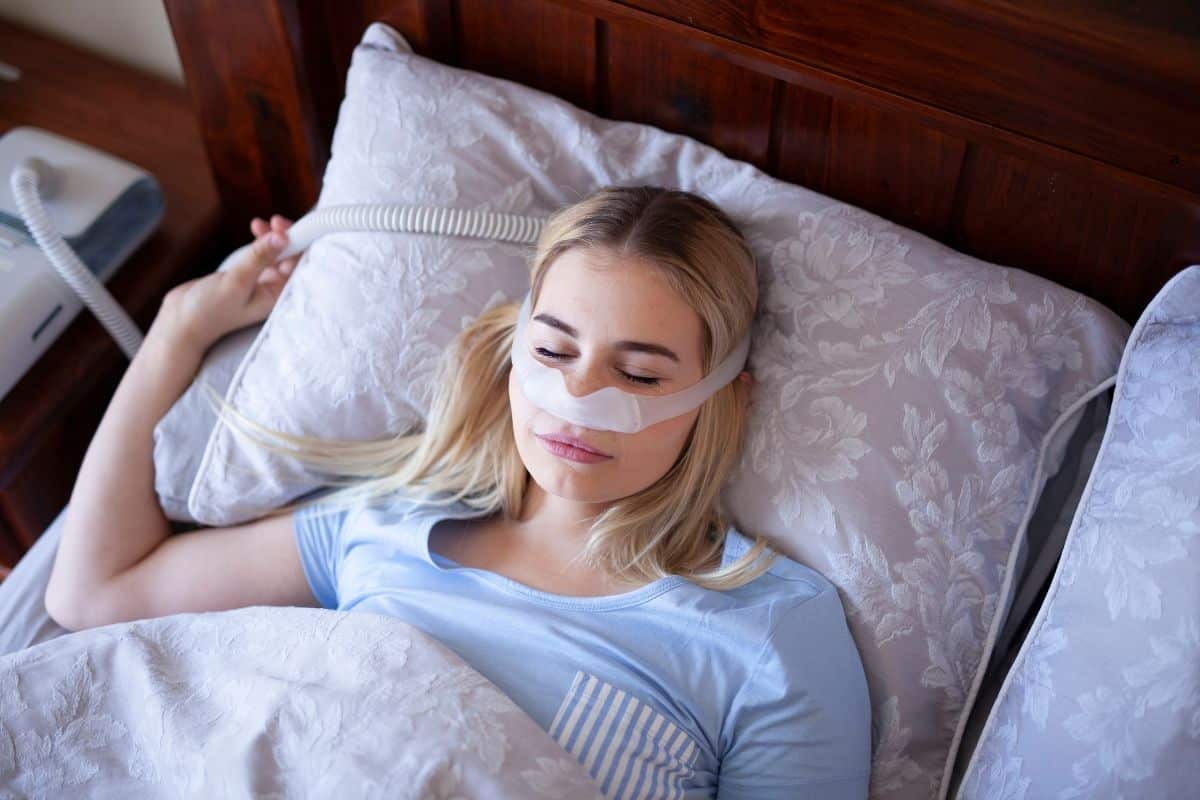
Sleep apnea, a condition marked by interruptions in breathing during sleep, can lead to daytime fatigue, heart issues, and other health concerns if untreated. Fortunately, there are several treatment options available, ranging from lifestyle changes and medical devices to surgical procedures. Finding the right treatment for your specific needs can greatly improve your sleep quality and overall health. Here’s a guide to help you make the best choice for managing your sleep apnea.
Understanding Sleep Apnea Types
Before selecting a treatment, it’s important to know the type of sleep apnea you have, as different forms require different approaches:
- Obstructive Sleep Apnea (OSA): Caused by a physical blockage in the airway, often due to relaxed throat muscles.
- Central Sleep Apnea (CSA): Stems from the brain’s inability to send proper signals to control breathing.
- Complex Sleep Apnea Syndrome: A combination of both OSA and CSA.
Each type has its own set of treatments, so understanding your diagnosis can help you choose the most effective option.
1. Start with a Sleep Study
A sleep study, also known as a polysomnography, is a comprehensive assessment of your sleep patterns, breathing, and other factors that influence sleep. This can be done in a sleep clinic or at home with portable equipment, depending on your physician’s recommendations. Results from a sleep study provide your doctor with crucial information needed to suggest a tailored treatment plan.
2. Consider CPAP Therapy: The Gold Standard
Continuous Positive Airway Pressure (CPAP) therapy is often the first-line treatment for moderate to severe sleep apnea. A CPAP machine uses a mask to deliver constant air pressure, which keeps the airway open during sleep.
Who It’s Best For: CPAP is effective for people with Obstructive Sleep Apnea. It’s a reliable choice if you’re willing to use the device regularly and can tolerate wearing a mask while sleeping.
Considerations: Some people find the mask uncomfortable or experience side effects like dry mouth or nasal congestion. However, mask styles and machine settings can often be adjusted to increase comfort.
3. Try Oral Appliance Therapy
Oral appliances are custom-fit mouthpieces that help keep the airway open by positioning the jaw slightly forward. These are popular alternatives to CPAP for mild to moderate sleep apnea or for those who struggle with CPAP compliance.
Who It’s Best For: Oral appliances work well for individuals with mild to moderate OSA and those who prefer a less invasive option than CPAP.
Considerations: Oral appliances require fitting by a dentist specializing in sleep apnea. They are also less effective for severe cases and may cause jaw discomfort if not properly adjusted.
4. Explore Lifestyle Changes as a Supplement
For some people, lifestyle changes can significantly reduce sleep apnea symptoms and may even eliminate mild cases. Weight loss, avoiding alcohol, quitting smoking, and sleeping on your side can all help improve airflow.
Who It’s Best For: Those with mild sleep apnea or anyone looking to enhance the effectiveness of another treatment.
Considerations: While lifestyle changes can improve sleep apnea, they are typically most effective when combined with other treatments, especially for moderate to severe cases.
5. Positional Therapy for Positional Sleep Apnea
Positional therapy involves adjusting your sleeping position to prevent airway obstruction, particularly if your sleep apnea worsens when sleeping on your back. Simple solutions include using a positional device or special pillows that encourage side sleeping.
Who It’s Best For: Individuals with positional sleep apnea, where symptoms are more severe when lying on their back.
Considerations: Positional therapy is most effective for people with mild to moderate sleep apnea. It may not be as effective for those with severe OSA or CSA.
6. Surgery as a Last Resort
Surgical options, such as Uvulopalatopharyngoplasty (UPPP), nasal surgery, or even jaw repositioning, are available for those who haven’t responded to other treatments. Surgery aims to remove or reposition tissue to widen the airway and reduce obstruction.
Who It’s Best For: People with severe sleep apnea who have tried other treatments without success or those with specific anatomical issues causing blockage.
Considerations: Surgery has varying success rates, and recovery times can differ. It’s usually considered only after other treatment options have proven ineffective.
7. Adaptive Servo-Ventilation (ASV) for Central Sleep Apnea
ASV is a type of non-invasive ventilation that adapts to your breathing patterns and is particularly effective for central sleep apnea. It monitors breathing in real time and adjusts pressure accordingly to stabilize airflow.
Who It’s Best For: Individuals with central sleep apnea or complex sleep apnea syndrome.
Considerations: ASV is a newer treatment and may not be covered by all insurance plans. It’s also essential to discuss with a sleep specialist to ensure ASV is a suitable option for you.
Consult a Specialist for Personalized Guidance
The best treatment for sleep apnea depends on your individual needs, the severity of your condition, and your comfort with each option. Consulting a sleep specialist or an ENT doctor can provide valuable insight into which treatment aligns with your lifestyle and health goals.
Treating sleep apnea can significantly improve your quality of life, reduce daytime fatigue, and prevent serious health complications. By understanding the various treatment options and working with a healthcare provider, you can find a solution that fits your needs and leads to restful, uninterrupted sleep.
Recent Posts
April 24, 2026
Can I Get Dentures if I Have Sensitive Gums?
April 17, 2026
How Do I Choose a Dental Implants Provider in Paradise Valley?

April 10, 2026
Does Invisalign Work for Open Bite Correction?
April 3, 2026
Do Dental Implants Cause Sinus Problems?
March 27, 2026