

Blog
How Dental Bridges Help Prevent Teeth Shifting
December 5, 2024
Dental Bridge
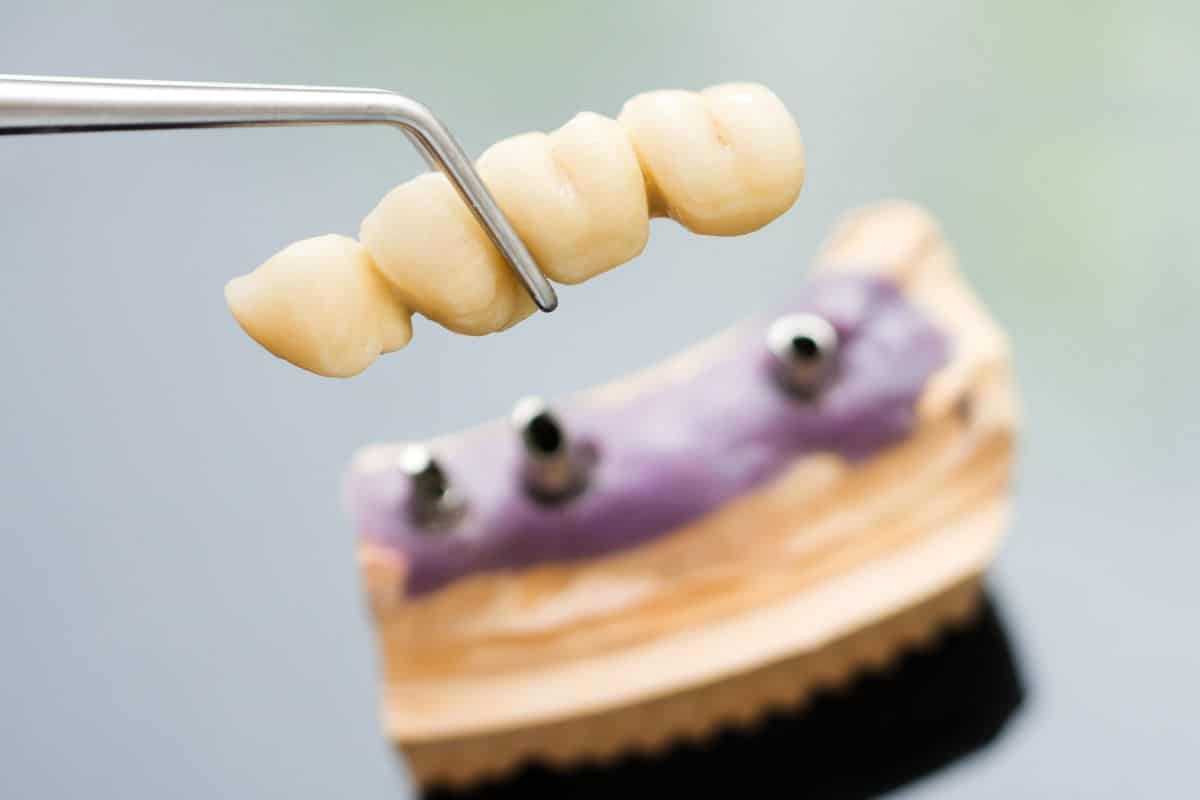
Missing teeth can lead to a host of oral health issues, one of the most common being the shifting of adjacent teeth. Over time, gaps left by missing teeth cause surrounding teeth to drift out of position, potentially leading to misalignment, bite problems, and other complications. Thankfully, dental bridges offer an effective solution to fill those gaps and keep your teeth in their proper place.
In this blog, we’ll explore how dental bridges work and why they are a crucial tool in preventing teeth shifting.
A dental bridge is a dental procedure that replaces one or more missing teeth. It consists of a prosthetic tooth (or teeth) called a pontic, anchored in place by the natural teeth or dental implants on either side of the gap. The bridge restores your smile and functionality, making eating, speaking, and maintaining oral health easier.
How Teeth Shifting Happens
When a tooth is lost, the surrounding teeth lose the support they once relied on. Without that support, they can start to shift into the space. This shifting can cause:
Misalignment: Teeth moving out of position can lead to a misaligned bite, also known as malocclusion.
Gaps and Crowding: Shifting teeth may create new gaps or crowd other teeth, complicating oral hygiene.
Bone Loss: Missing teeth can cause the underlying jawbone to deteriorate, further destabilizing neighboring teeth.
Changes in Appearance: Shifting teeth can alter your facial structure and smile aesthetics.
How Dental Bridges Prevent Shifting
- Filling the Gap
By replacing missing teeth, a dental bridge prevents the space that triggers tooth movement. The pontic sits snugly in the gap, providing the same support that the natural tooth once did. This helps neighboring teeth stay in their proper position. - Maintaining Bite Alignment
A well-fitted dental bridge ensures that your bite remains even and functional. Proper alignment reduces stress on the remaining teeth, preventing issues like uneven wear, jaw pain, or difficulty chewing. - Supporting Oral Hygiene
Misaligned or crowded teeth caused by shifting can make brushing and flossing more challenging. Dental bridges help maintain an even spacing of teeth, making it easier to keep your teeth and gums clean. This lowers your risk of developing cavities or gum disease. - Preserving Jawbone Health
While dental bridges don’t directly stimulate the jawbone like dental implants, they help distribute chewing forces evenly across the teeth. This helps reduce excessive stress on certain areas of the jawbone, indirectly supporting its health.
Benefits Beyond Preventing Shifting
In addition to keeping your teeth in place, dental bridges offer several other advantages:
Restored Functionality: You can chew and speak normally.
Enhanced Appearance: A bridge fills gaps and improves the aesthetics of your smile.
Improved Confidence: Regain the self-assurance that comes with a complete, healthy smile.
Are You a Candidate for a Dental Bridge?
If you have one or more missing teeth and want to prevent complications like teeth shifting, a dental bridge might be the right solution for you. Consult with your dentist to evaluate your oral health, the condition of surrounding teeth, and whether a dental bridge fits your needs.
Conclusion
Dental bridges do more than restore the appearance of your smile—they play a critical role in maintaining the health and alignment of your teeth. By filling gaps and stabilizing your bite, they prevent the long-term consequences of teeth shifting and keep your oral health on track.
If you’re dealing with missing teeth, don’t wait for problems to develop. Talk to your dentist about whether a dental bridge is the right choice for you. A complete, confident smile is just a step away!
Recent Posts
April 24, 2026
Can I Get Dentures if I Have Sensitive Gums?
April 17, 2026
How Do I Choose a Dental Implants Provider in Paradise Valley?

April 10, 2026
Does Invisalign Work for Open Bite Correction?
April 3, 2026
Do Dental Implants Cause Sinus Problems?

March 27, 2026