

Blog
Dental Implants: The Best Way To Replace Missing Teeth And Restore Your Smile
February 16, 2023
Dental implants

Are you missing one or more teeth and looking for a way to restore your smile? Dental implants might be the answer. Find out if dental implants are the best option for you! This article explores the pros and cons of dental implants, how effective they are at replacing missing teeth, and how long it takes to heal.
What Are Dental Implants?
There are many reasons why you should consider dental implants to replace your missing teeth. Dental implants can give you back your smile if you have lost a tooth due to an accident or injury, periodontal disease, or tooth decay.
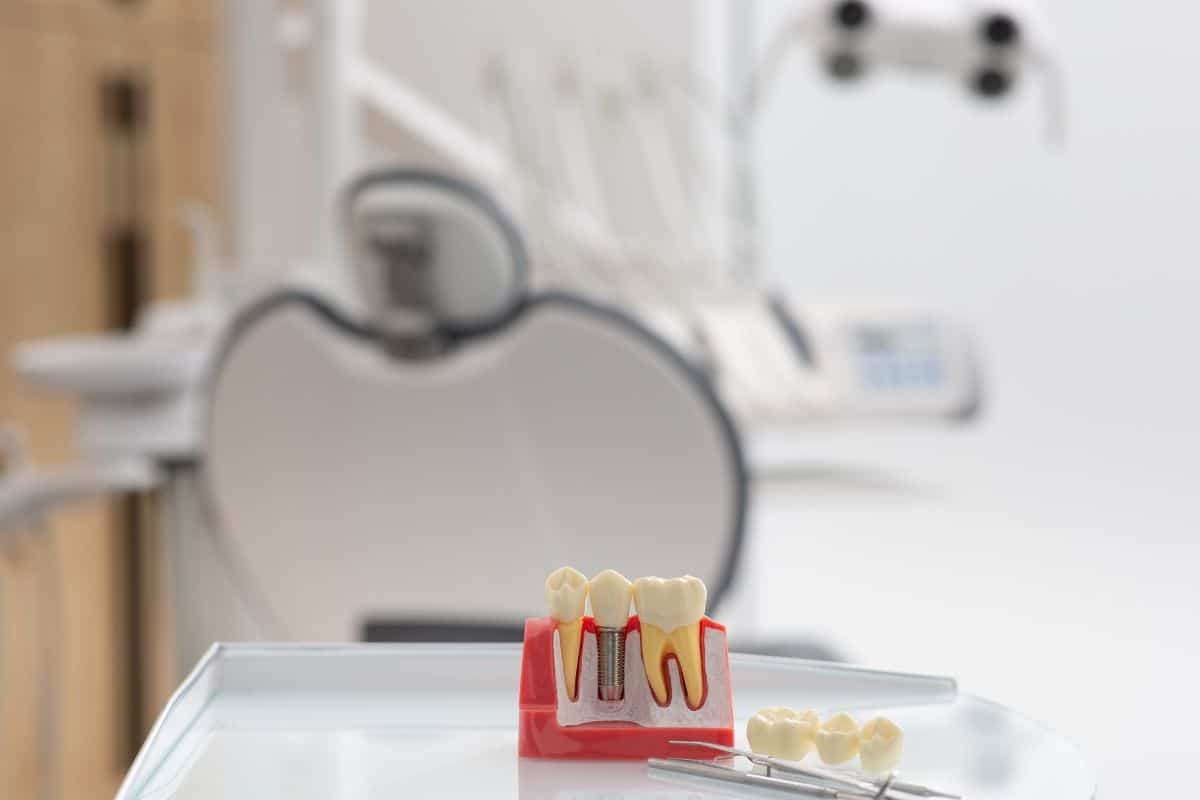
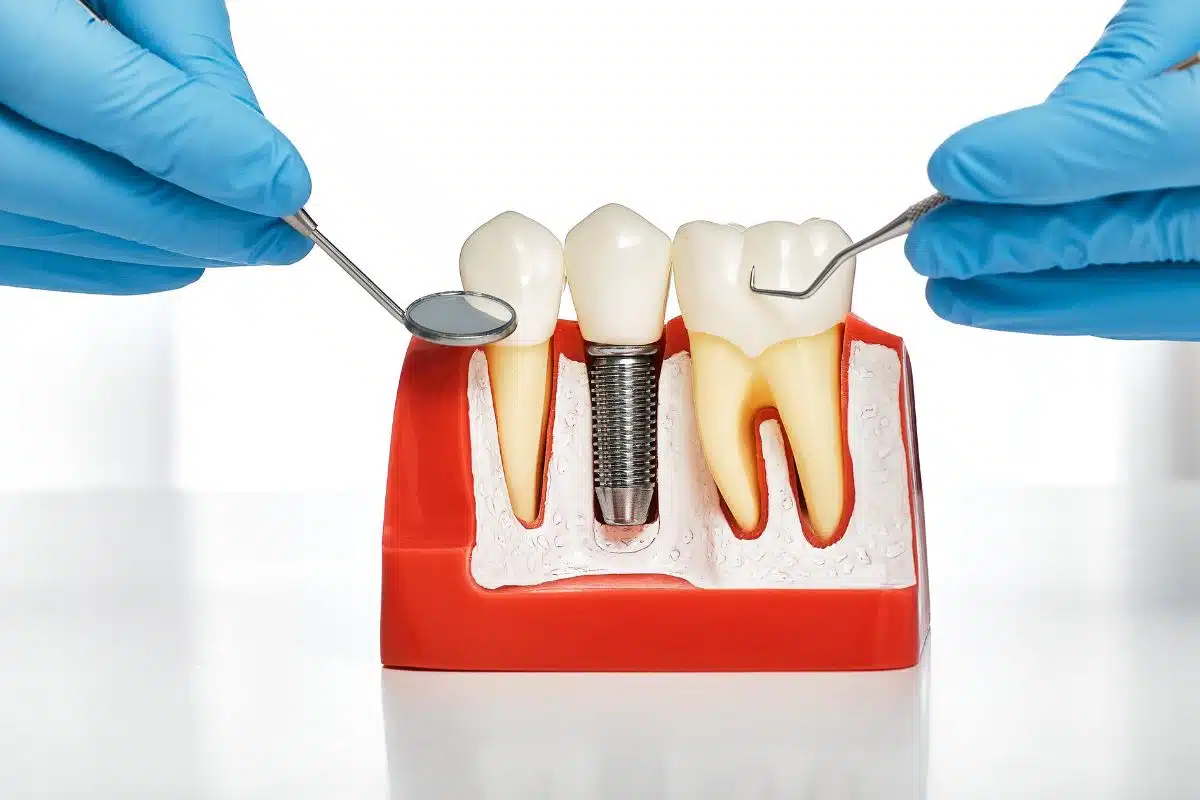
Dental implants are artificial roots placed into your jawbone to support a replacement tooth or teeth. The implant is made of titanium, a biocompatible material that will fuse with your bone over time. Once the implant has merged with the bone, an abutment (connector piece) is placed on top of the implant, and a replacement tooth (crown) is attached to the abutment.
Dental implants are strong and durable and can last a lifetime with proper care. They also look and feel like natural teeth so you can eat and speak without worry. Plus, since they don’t rely on adjacent teeth for support, dental implants can help preserve the health of those teeth.
If you’re considering dental implants to replace missing teeth, talk to your dentist about whether they’re right.
Benefits of Dental Implants
There are many benefits of dental implants that make them the best way to replace missing teeth and restore your smile. Dental implants are strong and durable; they look and feel like your natural teeth and allow you to eat and speak normally. Dental implants do not require special care and can last a lifetime with proper maintenance.
Types of Dental Implants
Your dentist may recommend several types of dental implants, depending on the number of teeth being replaced and the specific situation. The most common type of dental implant is the endosteal implant, which is placed into the jawbone. A dental implant, called a subperiosteally implant, rests on top of the jawbone beneath the gum tissue. This type of dental implant may be recommended if you do not have enough bone height in your jaw for an endosteal implant or if you have had previous bone loss.
Procedure for Getting Dental Implants
The first step in getting dental implants is to consult a qualified dentist to see if you are a good candidate for the procedure. Suppose you are determined to be a good candidate. In that case, the next step is to have a thorough dental exam and imaging tests (x-rays, 3D scans, etc.) to assess the condition of your teeth and jaws. Once it is determined that you are indeed a good candidate for dental implants, the next step is to prepare your mouth for surgery. This includes any necessary teeth extractions and bone grafting procedures.
After your mouth has been prepared for surgery, the next step is to place the implant posts into your jawbone. This is done through a minor surgical procedure. Once the implant posts are in place, they will need to fuse with your jawbone (a process called osseointegration) before the artificial teeth can be attached. This usually takes several months.
Once the implants have fused with your jawbone, the next step is to attach the artificial teeth (called abutments). This can be done through another minor surgical procedure or, in some cases, simply by screwing them into place. Finally, once the abutments are in place, all that is left is to attach the artificial teeth (either crowns or bridges). And that’s it! You’ll have brand-new teeth that look and feel like your natural ones!
Risks and Complications Associated with Dental Implants
You should be aware of several risks and complications associated with dental implants before deciding to have the procedure. These include:
Infection: The most common complication associated with dental implants is infection. This can occur at the implant’s site or surrounding tissue. If not treated promptly, an infection can lead to bone loss and eventually cause the implant to fail.
Nerve damage: Another potential complication of dental implants is nerve damage. This can occur if the implant is placed too close to a nerve or if there is damage to the nerves during the surgery. Nerve damage can cause numbness, tingling, or pain in the affected area.
Bleeding: Bleeding is another possible complication of dental implants. This can occur during or after surgery and sometimes be difficult to control. If you experience excessive bleeding, it is essential to seek medical attention immediately.
Scarring: Scarring is a common side effect of any surgery, and dental implants are no exception. The good news is that scarring from dental implant surgery is usually minimal and will fade over time.
Allergic reactions: Some people may experience allergic reactions to the materials used in dental implants (such as titanium). These reactions are usually mild and can be treated with medication. However, in rare cases, they can be severe and even life-threatening. If you have any allergies, be sure to discuss them with your dentist before having implant surgery.
Alternatives to Dental Implants
Suppose you are missing teeth and considering dental implants. In that case, you may wonder if there are any alternatives to this popular treatment. The good news is that several options are available, depending on your needs and budget.
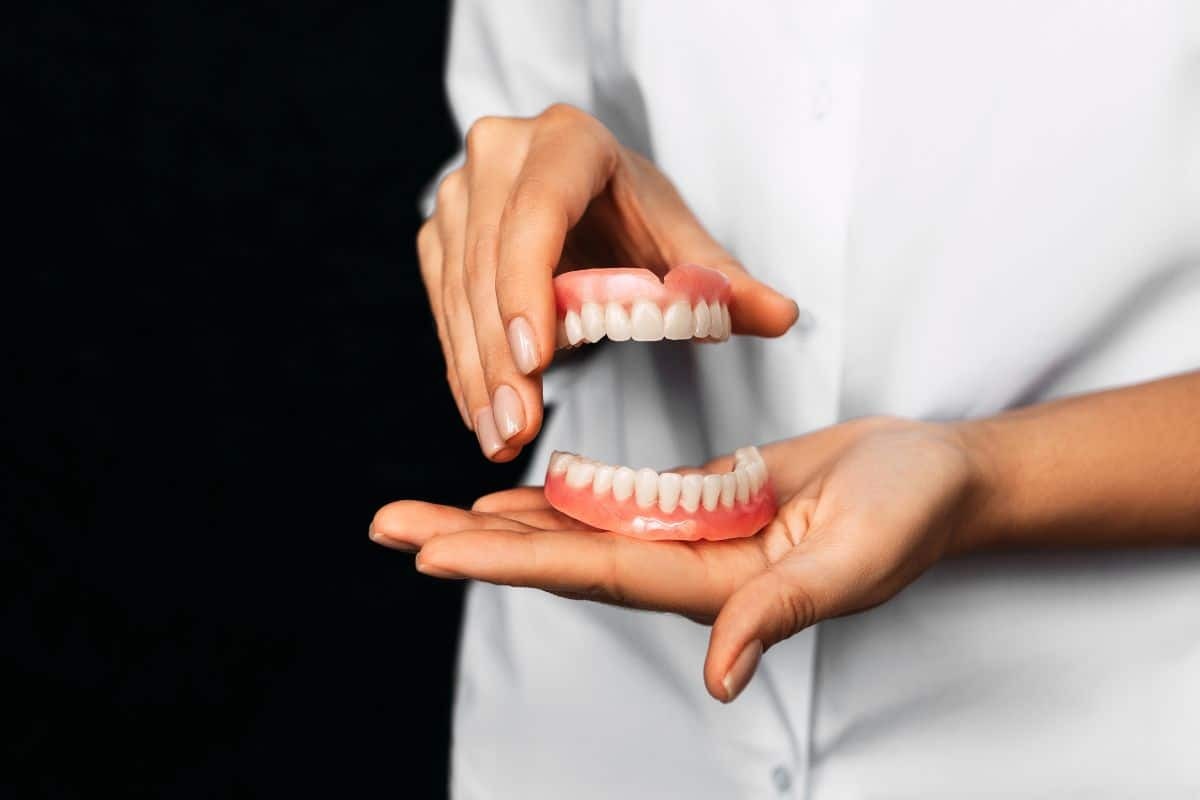
One alternative to dental implants is dentures. Dentures are false teeth that can be removed and put back in place, making them a convenient option for those who want to maintain their natural smile. However, dentures can be loose and uncomfortable and may require special care to keep them clean.
Bridges are similar to dentures in that they are false teeth that fill in the gaps left by missing teeth. However, bridges are attached to the natural teeth on either side of the gap, making them more secure than dentures. Bridges can also be made from materials such as porcelain or metal to match your natural teeth.
If you want a more permanent solution, consider getting a dental implant. Dental implants are surgically placed into the jawbone and act as artificial roots for false teeth. Dental implants are solid and stable and can last a lifetime with proper care.
Cost of Dental Implants
The cost of dental implants can vary depending on the number of teeth replaced and the chosen implant. For example, if you are missing multiple teeth, you may require more than one implant to support a dental prosthetic. Additionally, the type of implant material chosen will also affect the cost. Titanium implants are typically more expensive than their ceramic counterparts.
While dental implants are a significant investment but often covered by dental insurance, many insurance plans will cover at least a portion of the cost of dental implants. However, it is essential to check with your insurance provider to determine coverage levels and restrictions.
In addition to the initial cost of dental implants, ongoing costs are associated with their care and maintenance. These costs can include regular cleaning and exams and occasional adjustments or replacements of the implant itself. However, these costs are typically much lower than those associated with traditional dentures or bridges.
Dental implants represent a long-term investment in oral health and appearance. While they may have a higher upfront cost than other tooth replacement options, they offer many benefits that make them worth the investment over time.
Conclusion
Dental implants are an excellent way to restore your smile and regain the confidence you once had. Getting them is relatively simple, with minimal downtime and a high success rate. Dental implants can last a lifetime with proper care and maintenance, allowing you to enjoy a beautiful set of teeth without worry or hassle. If you have missing teeth that need replacing, consider talking to your dentist about dental implants – they may be the perfect solution for restoring your smile!
Recent Posts
April 24, 2026
Can I Get Dentures if I Have Sensitive Gums?
April 17, 2026
How Do I Choose a Dental Implants Provider in Paradise Valley?

April 10, 2026
Does Invisalign Work for Open Bite Correction?
April 3, 2026
Do Dental Implants Cause Sinus Problems?

March 27, 2026