

Blog
Can Dentures Help If My Teeth Are Too Damaged to Save?
October 22, 2025
Dentures
Imagine waking up one day and realizing your smile isn’t what it used to be. Cracked, decayed, or broken teeth can make eating a chore, speaking awkward, and confidence plummet. It’s a tough spot, but there’s hope. Many people face this issue and find a reliable way to reclaim their daily life. This post explores whether a common dental solution can step in when natural teeth reach the point of no return.
Understanding Tooth Damage
Teeth endure a lot over the years. From accidents to poor habits, damage builds up. Sometimes, it’s minor and fixable with fillings or crowns. Other times, it’s severe.
Signs Your Teeth May Be Beyond Repair
Look for constant pain that doesn’t fade. Swelling around gums signals infection. Loose teeth or large cracks often mean the structure is compromised. If roots are exposed or decayed deeply, saving them becomes hard.
Infections like abscesses can spread. When bacteria invade the pulp, it leads to more issues. Dentists assess if the tooth can hold a restoration. If not, extraction might be needed.
Causes of Severe Tooth Damage
decay from sugary foods is common. Grinding at night wears enamel away. Injuries from sports or falls crack teeth. Neglecting checkups lets problems grow.
Aging plays a role too. Enamel thins, making teeth brittle. Gum disease weakens support. Knowing these helps prevent future issues.
What Are Dentures?
Dentures are custom-made replacements for missing teeth. They fit over gums and restore function. Made from durable materials, they mimic natural teeth.
Types of Dentures Available
Full dentures replace all teeth in an arch. They’re for those who’ve lost everything in the top or bottom jaw.
Partial dentures fill gaps when some natural teeth remain. They clip onto existing ones for stability.
Implant-supported options attach to posts in the jaw. These feel secure and prevent bone loss.
Immediate dentures go in right after extractions. They help during healing. Conventional ones wait until gums settle.
Each type suits different needs. A consultation determines the best fit.
Benefits of Dentures for Damaged Teeth
Dentures bring back what damage takes away. They let you chew properly again. Soft foods become enjoyable without pain.
Speech improves too. Missing teeth cause lisps or slurs. Dentures fill spaces for clear words.
Your face looks fuller. Without teeth, cheeks sink in. Dentures support muscles for a youthful appearance.
Confidence rises. A complete smile makes social interactions easier. No more hiding your mouth.
They prevent further issues. Gaps let remaining teeth shift. Dentures keep alignment stable.
For those exploring options like dentures in Paradise Valley, AZ, local experts offer tailored solutions that blend comfort with aesthetics.
The Denture Fitting Process
Getting dentures starts with an exam. The dentist checks your mouth and discusses goals.
Impressions capture your jaw shape. These molds guide the lab in creating a model.
A try-in lets you test the fit. Adjustments ensure comfort.
Final placement happens after tweaks. It might feel odd at first, but adaptation comes quick.
Follow-ups handle any soreness. Regular visits keep them in top shape.
Caring for Your New Dentures
Daily care keeps dentures lasting. Rinse after meals to remove debris.
Soak overnight in a cleaner. Brush gently with a soft brush.
Handle with care to avoid drops. Use a towel over the sink.
Avoid hard foods at first. Start soft and build up.
Check for wear. Gums change over time, so relines might be needed.
Trending FAQs on Dentures
People often search for answers when considering dentures. Here are some trending questions based on common Google searches, with straightforward responses.
- Do dentures hurt when you first get them? They might cause soreness as your mouth adjusts. This usually fades in a few weeks with proper fitting.
- How long does it take to get used to dentures? Most adapt in 30 days. Practice speaking and eating helps speed it up.
- Can you eat normally with dentures? Yes, after adjustment. Start with soft foods and cut items small. Avoid sticky or very hard bites.
- What are alternatives to dentures if teeth are damaged? Bridges or implants work for some. It depends on jaw health and remaining teeth.
- How often should dentures be replaced? Every five to seven years, as they wear down and gums shift.
- Are dentures only for older people? No, anyone with severe tooth loss can benefit, regardless of age.
These address key concerns and help ease worries.
Key Statistics on Denture Use
Dentures are more common than you might think. Here’s a table showing usage by age group in the US, based on recent data.
| Age Group | Percentage Wearing Dentures |
|---|---|
| 18-34 | 3% |
| 35-44 | 16% |
| 45-54 | 29% |
| 55-64 | 51% |
| 65-74 | 57% |
Around 42 million Americans use them, with numbers rising due to aging populations. Women wear them slightly more (24%) than men (19%). These stats highlight how dentures support diverse groups.
Overcoming Common Concerns
Fear of slippage is real. Adhesives help, and implants offer more security.
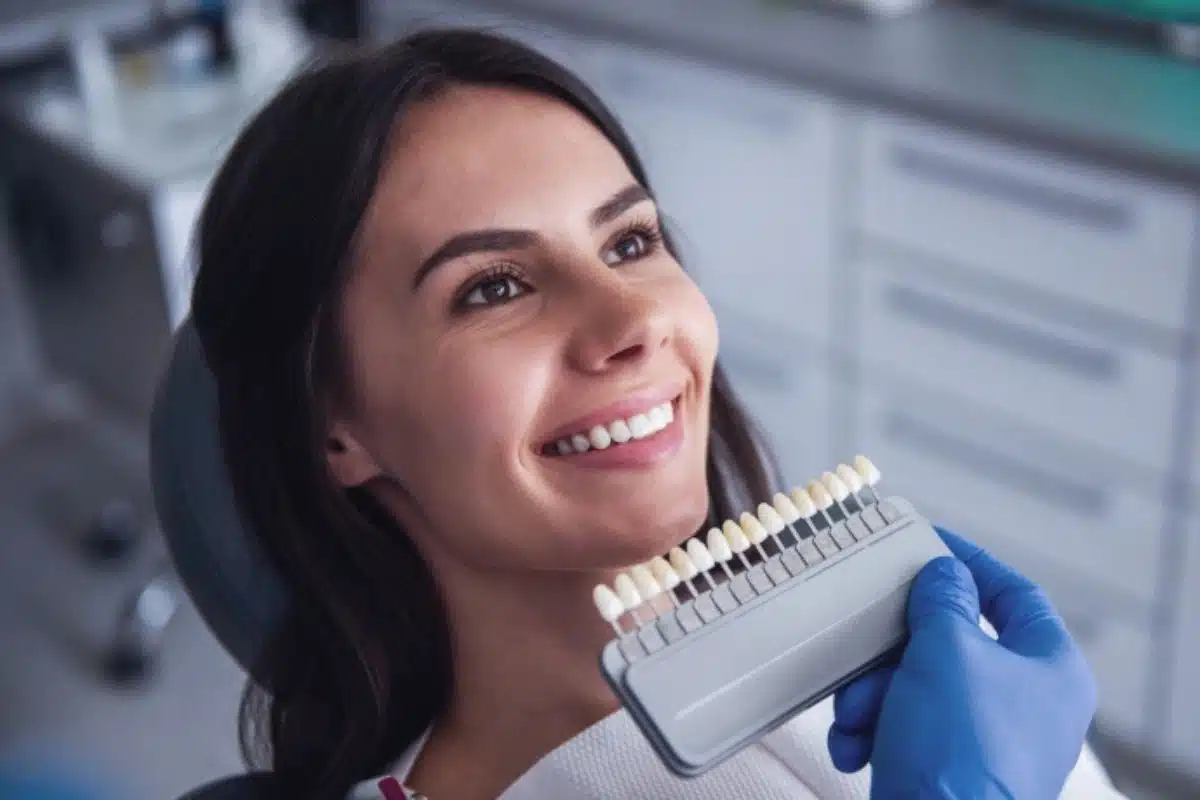
Some worry about looks. Modern dentures appear natural with custom shading.
Maintenance seems daunting, but it’s simple. Clean like natural teeth.
The adjustment period varies. Patience pays off for long-term comfort.
Talking to a professional clears doubts. They guide based on your situation.
If you’re dealing with damaged teeth, consider how dentures could improve your life. They’re a proven way to regain function and smile. To explore if they’re right for you, schedule an appointment with a dental expert today.
In the end, severe tooth damage doesn’t have to define your future. Solutions exist to restore comfort and joy. Embrace the change and step forward with renewed assurance.
Recent Posts
April 24, 2026
Can I Get Dentures if I Have Sensitive Gums?
April 17, 2026
How Do I Choose a Dental Implants Provider in Paradise Valley?
April 10, 2026
Does Invisalign Work for Open Bite Correction?
April 3, 2026
Do Dental Implants Cause Sinus Problems?
March 27, 2026