

Blog
A Comprehensive Guide to How Dental Bridges Work
April 19, 2024
Dental Care
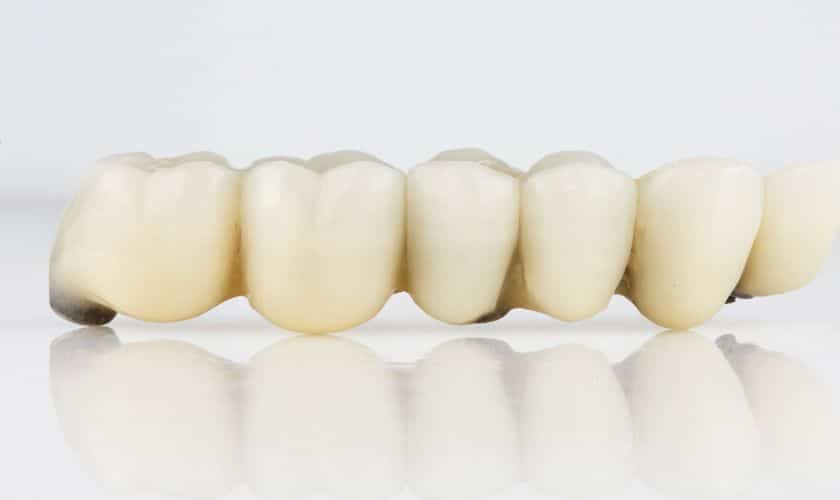
Missing teeth can be a source of frustration. Not only does it impact your smile’s aesthetics, but it can also affect your ability to chew and speak properly. Thankfully, modern dentistry offers solutions like dental bridges to restore both the look and function of your smile. But how exactly do these bridges work? Let’s embark on a journey to understand the science behind these dental marvels.
Demystifying the Bridge: Key Components
A dental bridge, as the name suggests it bridges the gap created by missing teeth. It’s a fixed prosthetic device that relies on surrounding healthy teeth for support. Here’s a breakdown of its essential components:
- Abutment Teeth: The foundation of the bridge is formed by healthy teeth on either side of the gap. These teeth, aptly named abutment teeth, are crucial for providing support and stability to the entire structure.
- Crowns: Custom-made caps fabricated from porcelain or metal alloys are placed on the abutment teeth. These crowns not only strengthen the abutment teeth but also serve as anchors for the bridge.
- Pontic(s): These are the artificial teeth that replace the missing ones and literally “bridge” the gap. They are typically made from porcelain, metal, or a combination of both, and are designed to mimic the appearance and function of natural teeth.
- Connectors: These hidden heroes hold the entire bridge together. Connectors link the crowns and pontics, ensuring a strong and stable structure. The type of connector used may depend on the material and location of the bridge.
Building Your Bridge: The Treatment Process
Getting a dental bridge involves a collaborative effort between you and your dentist. Here’s a glimpse into the typical process:
- Consultation: It all starts with a thorough examination by your dentist. They will discuss your concerns and expectations, assess your oral health, and take X-rays to determine jawbone health and suitability for a bridge.
- Preparation: During this appointment, the abutment teeth will be slightly shaved down to accommodate the thickness of the crowns. Local anesthesia ensures comfort throughout the process.
- Impression and Temporary Bridge: An accurate impression is taken of your teeth and jaw to create custom crowns and the bridge itself. While the permanent bridge is being fabricated, you’ll be fitted with a temporary bridge to maintain aesthetics and functionality.
- Placement: Once the permanent bridge is ready, your dentist will remove the temporary one. They’ll then meticulously check the fit, color, and bite of the permanent bridge before securely cementing it in place.
The Rewards of Building a Bridge:
Dental bridges offer a multitude of benefits that go beyond just filling the gap in your smile. Here are some key advantages to consider:
- Enhanced Appearance: Bridges restore the natural look and structure of your teeth, boosting your confidence and allowing you to smile without hesitation.
- Improved Functionality: By filling the gap, bridges allow for better chewing and speaking, enhancing your overall quality of life. This can significantly improve your ability to enjoy a wider variety of foods and communicate clearly.
- Maintains Bite Alignment: Missing teeth can cause the remaining teeth to shift out of place, leading to bite problems. Bridges prevent such shifting by keeping the teeth in their proper positions.
- Speech Correction: Missing teeth can sometimes affect your pronunciation. Bridges can help restore proper speech patterns and enhance your clarity of communication.
- Prevents Bone Loss: The stimulation provided by the bridge on the jawbone helps prevent bone loss that can occur with missing teeth. This can help maintain facial structure and prevent future dental complications.
Maintaining Your Bridge for Long-Term Success:
Like any dental restoration, dental bridges require proper care to ensure their longevity and optimal function. Here’s what you need to do to keep your bridge strong and healthy:
- Brushing and Flossing: Maintain a meticulous oral hygiene routine. Brushing twice a day and flossing daily removes plaque and food particles that can accumulate under the bridge and around the abutment teeth, preventing decay and gum disease.
- Regular Dental Checkups: Schedule regular dental appointments for checkups and cleanings. This allows your dentist to assess the bridge’s condition, monitor your oral health, and address any potential issues promptly.
- Dietary Considerations: While bridges are quite durable, avoid chewing on very hard or sticky foods that could damage them. Opt for a balanced diet and cut hard foods into smaller pieces before chewing.
Are Dental Bridges Right for You?
Dental bridges are a versatile and reliable solution for replacing one or more missing teeth. However, the best course of treatment depends on your individual needs and dental health. During your consultation, your dentist will discuss factors like the number and location of missing teeth and the condition of your jawbone.
Recent Posts
April 24, 2026
Can I Get Dentures if I Have Sensitive Gums?
April 17, 2026
How Do I Choose a Dental Implants Provider in Paradise Valley?

April 10, 2026
Does Invisalign Work for Open Bite Correction?
April 3, 2026
Do Dental Implants Cause Sinus Problems?

March 27, 2026