

Blog
The Science Behind Denture Relines
August 1, 2023
Denture care

Are your dentures causing you discomfort, slipping around in your mouth, or even making it difficult to eat? Don’t worry – the solution might be simpler than you think! In this blog post, we will delve into the fascinating world of denture relines and uncover the science behind why they can make such a significant difference in your comfort and overall dental health. So sit back, relax, and prepare to discover how this simple procedure can restore harmony to your smile and give you newfound confidence. Let’s dive right in!
What is a Denture Relines?
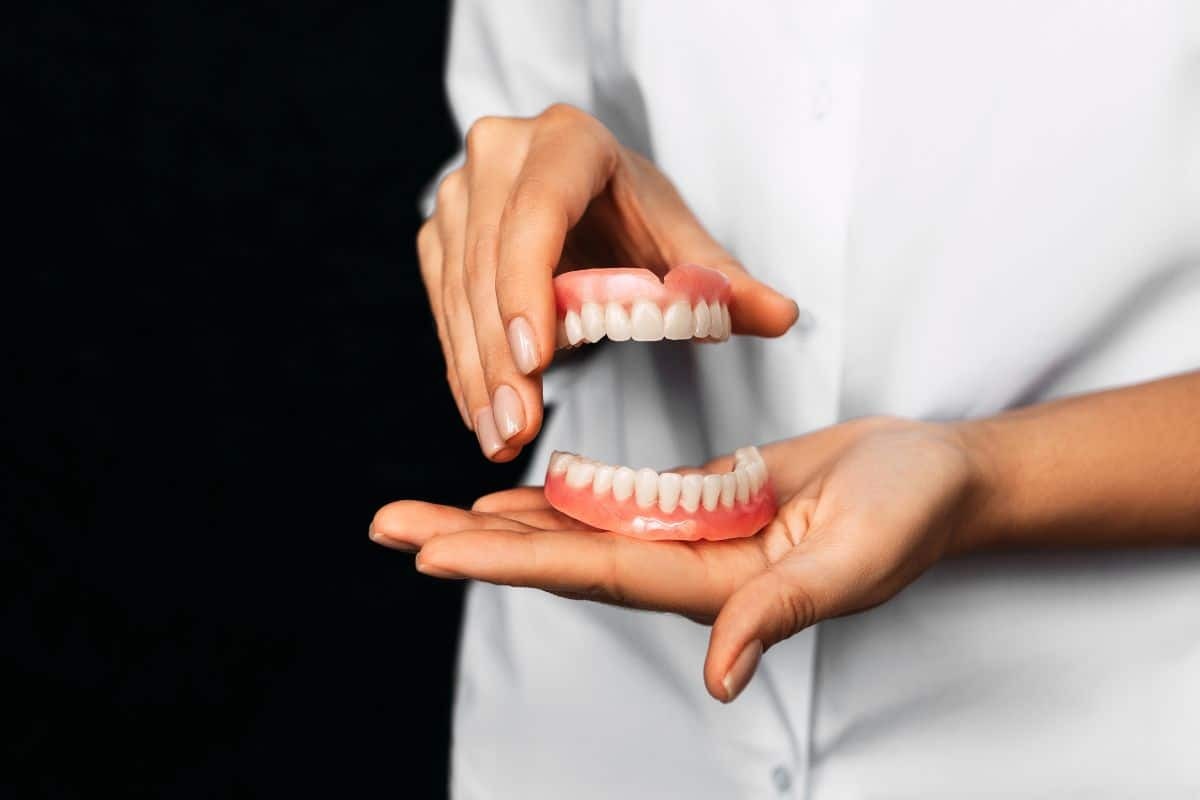
Denture relines are used to restore the fit of a denture that has become loose over time. The reline material is placed over the existing denture and allowed to be set, which gives the denture a snugger fit.
Denture relines are necessary because as we age, our gums change shape due to bone loss. This can cause a once-snug denture to become loose, making it difficult to eat and talk. A reline can provide a much-needed tight fit, improving both comfort and function.
There are two types of denture relines: hard and soft. Hard relines are made from acrylic or another type of hard plastic, while soft relines are made from silicone rubber. In some cases, a combination of both materials may be used.
The type of reline material used will depend on the patient’s needs and preferences. For example, those with very sensitive gums may prefer a soft reline, while those who have experienced significant bone loss may need a hard reline for added support.
No matter what type of denture reline is used, the goal is always the same: to improve the fit of the denture so that it is more comfortable and functional for the patient.
Benefits of Denture Relines
Denture relines are a type of procedure that can be performed on dentures in order to improve fit. This is done by adding more material to the existing denture base, which can help to fill in any gaps that have developed over time.
There are several benefits of having a denture reline performed, which include:
1. Improving the fit of your dentures:
Over time, the fit of your dentures can change as your jawbone shrinks. This can cause your dentures to become loose and uncomfortable. A reline can help to improve the fit of your dentures so that they are more comfortable to wear.
2. Preventing gum irritation:
If your dentures do not fit properly, they can rub against your gums and cause irritation. A reline can help to prevent this from happening by ensuring that your dentures fit snugly against your gums.
3. Improving chewing ability:
Loose-fitting dentures can make it difficult to chew properly. A reline can help improve your chewing ability by making it easier for you to bite down on food.
4. Making speaking easier:
Dentures that do not fit properly can also affect your speech. A reline can help improve your speech by making it easier to form words correctly.
5. Enhancing appearance:
When dentures become loose, they can also start to look unnatural. A reline can help improve the appearance of your denture.
The Science Behind Denture Relines
When you lose all your natural teeth, it can take a toll on your confidence and quality of life. Dentures are a great way to restore your smile, but they can sometimes slip and slide, making it hard to eat and speak properly. That’s where denture relines come in.
Denture relines are a way to make sure your dentures fit snugly and comfortably against your gums. They’re usually made of soft materials like silicone or acrylic, which mould to the contours of your mouth over time.
The process is pretty simple:
First, your dentist will take an impression of your mouth so that they can create a custom-fit reline. Then, they’ll remove the old reline from your denture (if there is one) and clean the surface before applying the new reline. Once it’s in place, they’ll trim any excess material and make sure everything looks good.
The whole process usually takes about an hour or two, and you should be able to go about your normal activities afterwards. Your dentist may give you some instructions on how to care for your new reline, but generally speaking, you can treat it just like the rest of your denture.
Types of Materials Used in Denture Relines
There are two types of materials that can be used for denture relines: hard and soft. Hard relines are made from a harder type of material, such as acrylic or PMMA, and are designed to last longer. They are also more comfortable for people who have a lot of natural teeth remaining. Soft relines, on the other hand, are made from softer materials, such as silicone, and are designed to be more comfortable for people who have fewer natural teeth remaining.
How to Care for Your Relined Dentures
If you have relined dentures, it is important to take care of them in order to maintain their fit and function.
Here are some tips on how to care for your relined dentures:
- Brush your dentures daily with a soft-bristled toothbrush and mild soap. Avoid using toothpaste, as it can be abrasive.
- Rinse your dentures after each meal.
- Soak your dentures in a denture cleanser overnight at least once a week.
- Be gentle when handling your dentures, as they are fragile. Avoid dropping them or putting too much pressure on them.
- See your dentist regularly for checkups and to have your dentures relined as needed.
Conclusion
The science behind denture relines is an important one. Not only do they allow us to maintain the fit of our dentures, but they also help ensure that our mouths remain healthy by preventing bacteria from entering and possibly causing infection or discomfort. We hope this article has been informative and helped you better understand the importance of getting your dentures re-lined regularly. If you have any questions about how often you should get them done, be sure to speak with your dentist for more information.
Recent Posts
April 24, 2026
Can I Get Dentures if I Have Sensitive Gums?
April 17, 2026
How Do I Choose a Dental Implants Provider in Paradise Valley?

April 10, 2026
Does Invisalign Work for Open Bite Correction?
April 3, 2026
Do Dental Implants Cause Sinus Problems?

March 27, 2026