

Blog
How Long Do Inlays and Onlays Last?
July 8, 2024
Dental Care
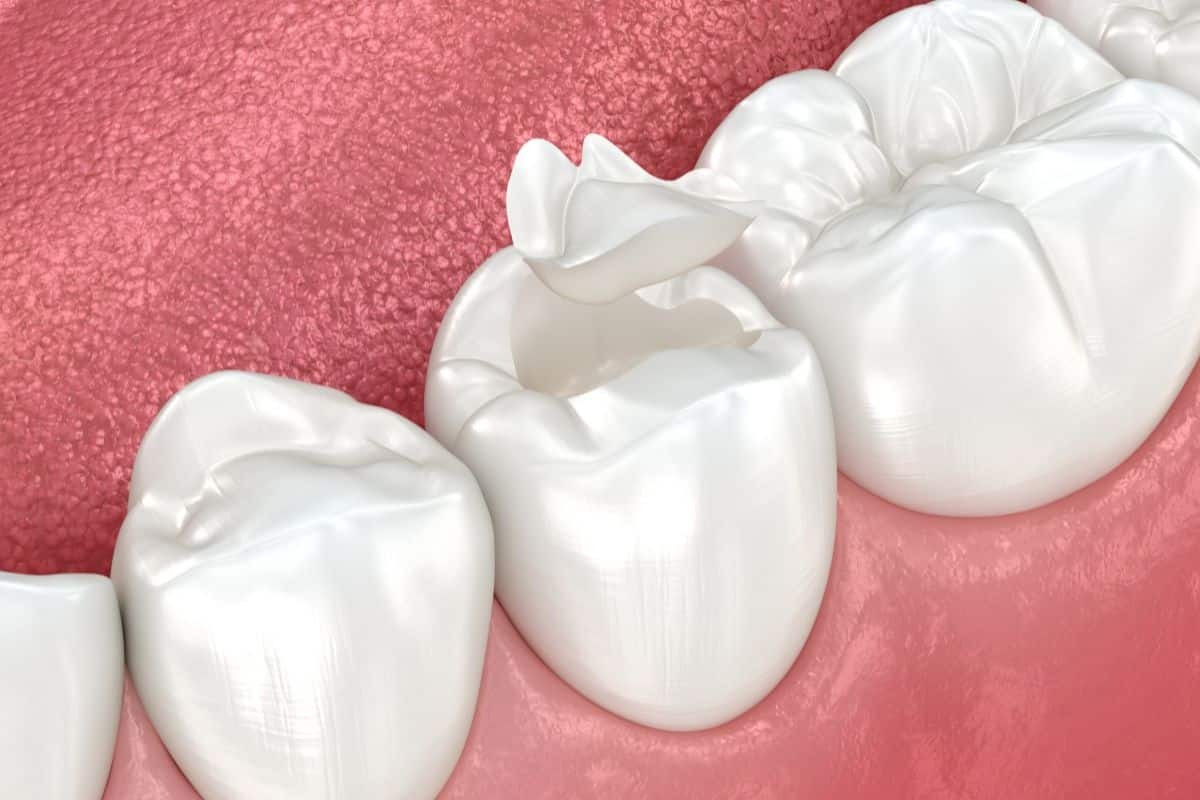
Inlays and onlays are fantastic options for restoring teeth that are too damaged for fillings but don’t require a full crown. They offer a strong, natural-looking solution that can significantly improve your smile and chewing ability. But like any dental restoration, inlays and onlays aren’t permanent. So, how long can you expect them to last?
The Lifespan Range:
The durability of inlays and onlays depends on various factors. In general, inlays and onlays can last anywhere from 5 to 30 years. This wide range depends on several factors, including:
- Material: The type of material used for the inlay or onlay plays a role. Porcelain and gold inlays/onlays tend to be the most durable, lasting up to 20 or even 30 years. Resin inlays/onlays may be a more affordable option, but they typically last closer to 5-7 years.
- Placement of the restoration: Teeth used for chewing (premolars and molars) experience more stress than front teeth. Inlays/onlays on these teeth may need replacement sooner.
- Oral hygiene: Brushing and flossing regularly removes plaque and bacteria that can weaken the tooth and the inlay/onlay bond. Proper oral hygiene is crucial for maximizing lifespan.
- Diet: Chewing on hard or sticky foods can put extra strain on the restoration, potentially leading to chipping or fractures.
- Bruxism (teeth grinding): Grinding your teeth can wear down the inlay/onlay material and damage the surrounding tooth structure.
Maximizing the Lifespan of Your Inlays/Onlays:
Here are some key practices to extend the life of your inlays and onlays:
- Maintain excellent oral hygiene: Brush twice a day and floss once a day to remove plaque and bacteria.
- Schedule regular dental checkups and cleanings: Your dentist can monitor the condition of your inlays/onlays and address any potential issues early on.
- Avoid chewing on hard or sticky foods: Opt for softer foods to minimize the risk of chipping or cracking the restoration.
- Wear a nightguard if you grind your teeth: This will protect your inlays/onlays and other teeth from damage caused by bruxism.
Signs You Might Need Replacement:
- Chipping or cracking of the inlay/onlay material
- Discomfort or pain around the restored tooth
- Loose inlay/onlay
- Visible wear and tear
Conclusion:
Inlays and onlays are a long-lasting solution for restoring damaged teeth. By practicing good oral hygiene, avoiding certain habits, and attending regular dental appointments, you can significantly increase your lifespan and enjoy a healthy, beautiful smile for many years to come. If you have any concerns about your inlays or onlays, consult your dentist to discuss the best course of action.
Recent Posts

November 10, 2026
Your First Dental Bridge Appointment: What to Expect and How to Prepare

November 10, 2026
Why Your Dentist Recommended a Crown (And Why You Need One)
October 28, 2026
How Smoking Can Affect Your Dental Implants
October 19, 2026
What Causes Sudden Swelling Around a Tooth? Common Reasons

October 12, 2026