

Blog
How Do Implants Prevent Bone Loss?
December 5, 2025
Dental implants
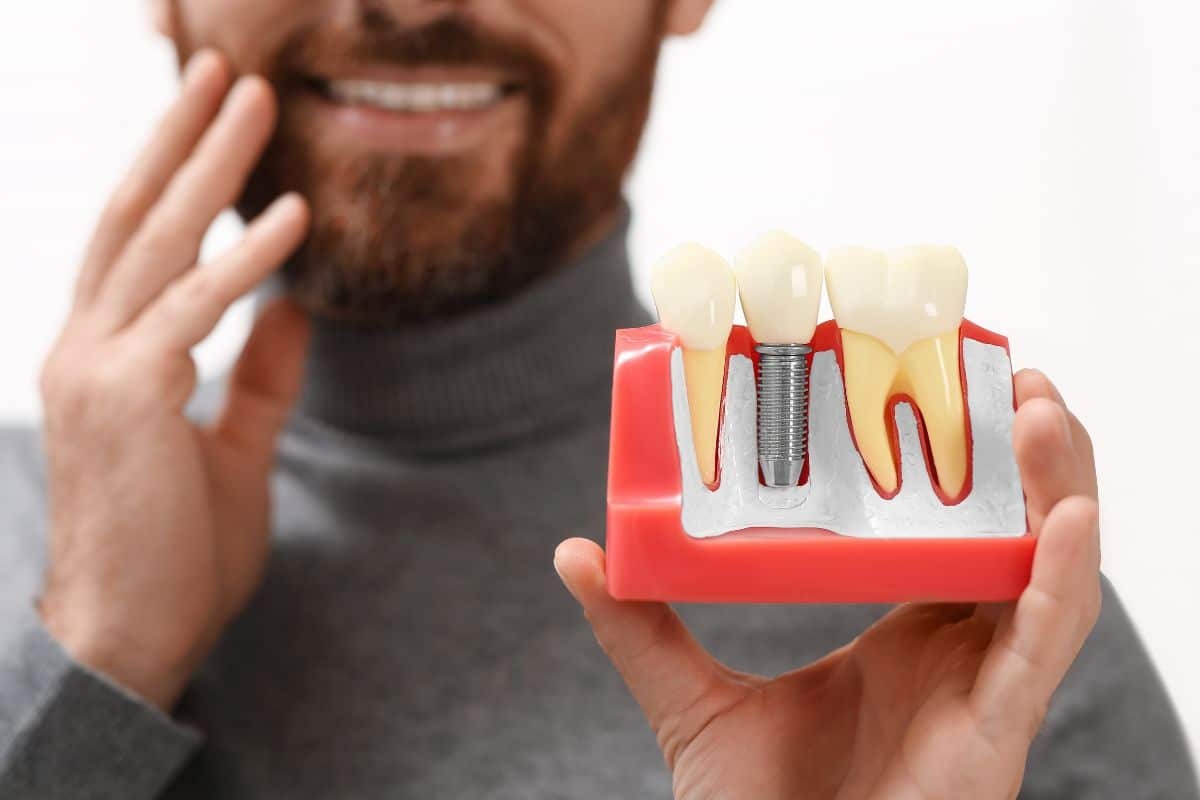
Losing a tooth affects far more than your smile. The jawbone begins to change right away, and those changes can alter your face shape over time. Yet one solution stands apart by actively protecting the bone beneath your gums. It restores function while keeping your jaw healthy for decades. Understanding this process helps you make informed choices about your oral health.
Why Bone Loss Happens After Tooth Extraction
Your natural teeth do more than chew food. Their roots send constant pressure signals to the jawbone during every bite. This stimulation tells your body to keep building and maintaining bone density. When a tooth is removed, that signal stops. The bone no longer receives the workout it needs.
Resorption starts quickly. Studies show the alveolar ridge can lose 40 to 60 percent of its width in the first three to six months. Within the first year, you may lose up to 25 percent of bone volume in that area. The jaw shrinks inward and downward, which affects nearby teeth and facial contours. Without intervention, this process continues slowly for years.
The Science of Osseointegration
Dental implants work because they replace the missing root. A small titanium post is placed directly into the jawbone. Over the next few months, living bone cells grow onto the implant surface. This fusion, called osseointegration, creates a bond as strong as a natural tooth root.
The titanium surface encourages bone cells to attach at a microscopic level. Once fused, the implant becomes part of your skeleton. Chewing forces now travel straight through the post into the bone, just like they did with your original tooth. This ongoing stimulation follows Wolff’s Law: bone adapts to the loads placed on it and stays dense and strong.
How Chewing Forces Keep Your Jaw Strong
Every bite you take with an implant delivers pressure that keeps osteoblasts active. These bone-building cells prevent the resorption cycle. The result is stable bone levels that can last a lifetime with proper care. Implants also stop adjacent teeth from shifting into the empty space, which protects your bite alignment.
Many patients notice firmer facial structure and better chewing power after healing. The jaw stays full and supportive, helping lips and cheeks maintain their natural position.
Patients who undergo the dental implant procedure in Paradise Valley, AZ often notice how effectively it maintains their jaw structure over time.
Long-Term Protection for Jaw and Face
Implants deliver benefits that last. Research shows bone levels around properly placed implants stay stable for ten years or longer. In contrast, areas without teeth continue to lose height and width. This stability supports overall oral health by reducing strain on remaining teeth and gums.
Your facial appearance stays youthful longer because the jawbone does not collapse. Speech feels natural, and you enjoy meals without worry. Implants also make future dental work easier since the bone foundation remains intact.
Why Implants Outperform Other Options
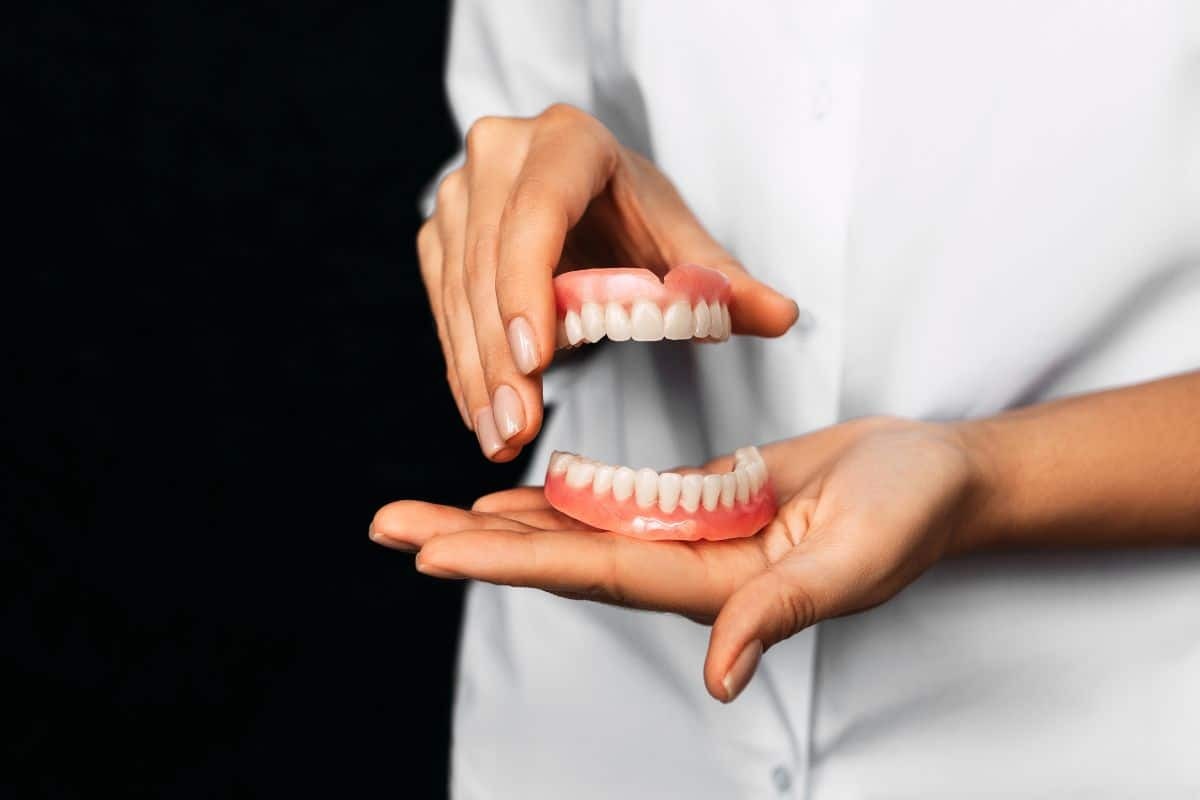
Bridges and dentures sit on top of the gums. They provide no root-like stimulation, so bone loss continues underneath. Over time, dentures may slip as the jaw shrinks, requiring frequent adjustments. Bridges can stress neighboring teeth and still allow bone to resorb under the false tooth.
Only implants replace both the crown and the root. They are the single tooth-replacement method that actively preserves bone. This difference becomes clear after just a few years when comparing jaw health with and without implants.
Trending FAQs on Dental Implants and Bone Loss
Here are answers to the questions patients ask most often:
- Do dental implants really prevent bone loss? Yes. The implant post fuses with the jawbone and transmits chewing pressure, stopping resorption that normally begins within weeks of tooth loss.
- How soon does bone loss start after a tooth is extracted? Changes begin in the first few weeks. Significant width loss often occurs within three to six months if nothing is done to replace the root.
- Can implants be placed if I already have some bone loss? Often yes. Bone-grafting techniques can rebuild the area first. Modern implant designs also work well even with reduced bone volume.
- Will my face change shape without implants? Yes, over time. The jaw shrinks, which can make cheeks and lips appear sunken. Implants help maintain your natural facial contours.
- How long do implants protect bone health? With good oral care and regular checkups, implants can preserve bone levels for decades.
Bone Loss Comparison Table
| Time Frame | Without Implant | With Implant |
|---|---|---|
| First 3–6 months | Up to 40–60% ridge width loss | Bone levels remain stable |
| First year | Up to 25% bone volume loss | Minimal to no measurable loss |
| 5–10 years | Continued shrinkage and facial changes | Stable bone density and jaw support |
This data comes from long-term clinical studies tracking jaw changes after tooth loss.
If you are searching for a reliable dentist near you, evaluating their experience with advanced tooth replacement options can make all the difference. Look for teams that explain every step clearly and focus on long-term bone health.
Protecting your jawbone now prevents bigger issues later. Implants offer a proven way to stop bone loss while restoring confidence in your smile. The science is clear, and the results speak for themselves. To learn more about protecting your oral health, schedule an appointment today.
Recent Posts

May 19, 2026
Why Do I Keep Getting Bumps On My Tongue?

May 12, 2026
Mamelons Normal on Adult Teeth? What to Know

May 5, 2026
How to Manage Metallic Taste After Getting Implants?
April 24, 2026
Can I Get Dentures if I Have Sensitive Gums?
April 17, 2026