

Blog
What Is the Difference Between Veneers and Crowns?
March 6, 2026
Porcelain Veneers
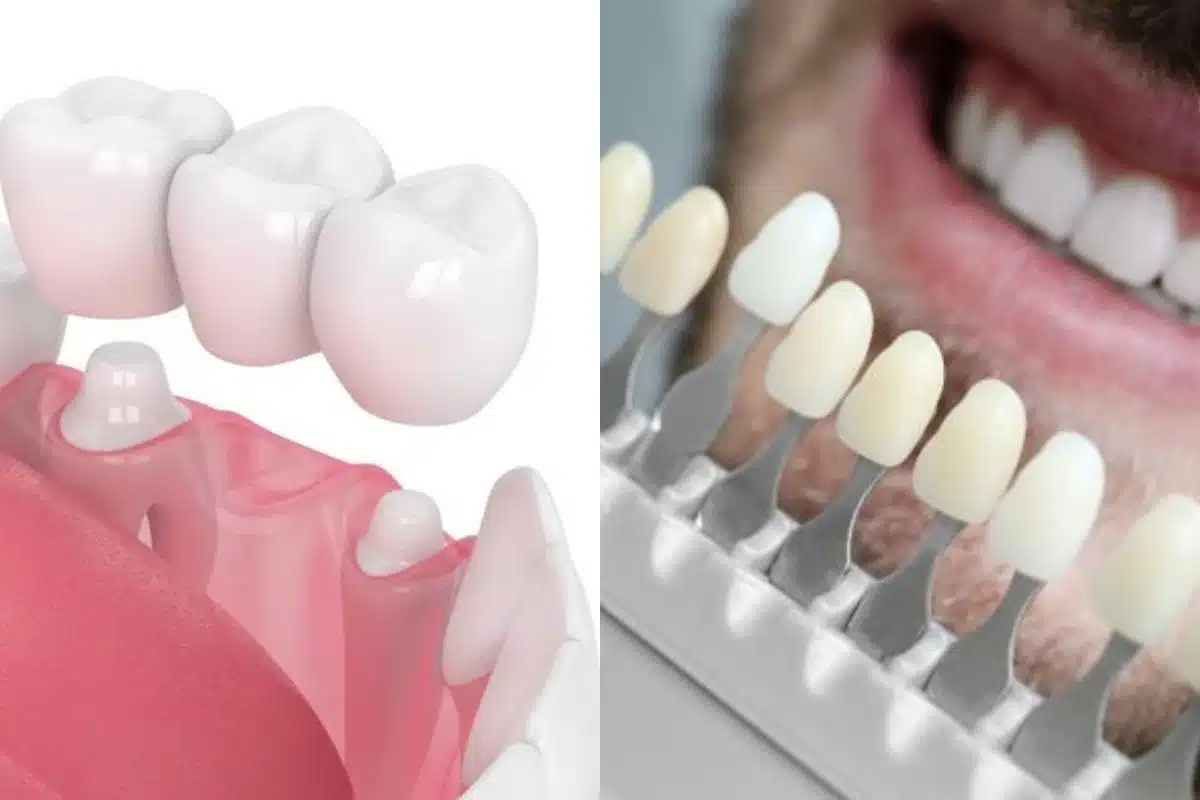
Discovering the right way to enhance your smile can feel exciting yet overwhelming. Veneers and crowns both deliver stunning results, but they serve distinct purposes. By understanding their differences, you gain clarity on which option suits your needs best for a confident, radiant grin.
What Are Dental Veneers?
Veneers are thin, custom-made shells. They bond to the front of your teeth. Dentists use them mainly for cosmetic fixes. Think chips, stains, gaps, or uneven shapes. The process removes just a bit of enamel from the front surface. This keeps most of your natural tooth intact. Porcelain veneers shine here because they mimic real tooth translucency. They resist stains well and create a flawless smile makeover with minimal change.
What Are Dental Crowns?
Crowns act as full caps. They cover the entire tooth above the gum line. Experts recommend them for structural issues. Cracks, heavy decay, large fillings, or teeth after root canals benefit greatly. Preparation involves more enamel removal from all sides. Yet crowns provide strong protection and restore full function. Ceramic or porcelain crowns blend seamlessly while handling daily bite forces.
How Do Veneers and Crowns Differ?
The core distinction comes down to coverage and purpose. Veneers focus on the visible front. Crowns encase everything for complete support. Tooth preparation varies too. Veneers need conservative shaping. Crowns require deeper reduction to fit securely. Both use similar materials like porcelain, yet their roles diverge sharply in restorative dentistry.
Key Differences at a Glance
| Aspect | Veneers | Crowns |
|---|---|---|
| Coverage | Front surface only | Entire tooth |
| Enamel Removal | Minimal (0.5–0.7 mm front) | More extensive (1–2 mm all sides) |
| Primary Purpose | Cosmetic enhancement | Structural restoration and protection |
| Durability Stats | 10–15 years with good care | 15–20+ years with good care |
| Best For | Minor chips, stains, gaps | Cracked, decayed, or weakened teeth |
This table highlights why one choice preserves more natural structure while the other offers robust defense.
Veneers excel in smile transformations. They deliver a natural look without heavy alteration. Patients love the quick results and minimal discomfort. Stain resistance adds long-term appeal for front teeth. Crowns stand out for durability. They shield vulnerable teeth from further damage. Bite strength returns fully. Both options support overall dental restoration goals when matched to your tooth condition.
Many locals discover that our veneers procedure in Paradise Valley, AZ delivers the precise cosmetic boost they seek without unnecessary invasiveness.
Benefits of Choosing Veneers
Veneers preserve tooth structure better than most alternatives. The conservative approach means less sensitivity afterward. They create uniform color and shape across multiple teeth. Proper care keeps them looking fresh for years. This option suits healthy teeth that simply need aesthetic polish.
Advantages of Dental Crowns
Crowns rebuild strength where it matters most. Full coverage prevents cracks from worsening. They withstand chewing forces that veneers cannot match. Longevity stats favor crowns for back teeth or severely compromised ones. Gum health often stays stable with precise fitting.
If you are searching for a cosmetic dentist near you, comparing these two options first can save time and lead to better outcomes.
Trending FAQs on Veneers Versus Crowns
- What is the main difference between veneers and crowns? Veneers cover only the front surface for cosmetic changes. Crowns encase the full tooth for protection and strength.
- Which option lasts longer? Crowns typically endure 15–20 years or more. Veneers average 10–15 years with excellent oral hygiene.
- Do crowns require more tooth shaving than veneers? Yes. Crowns need deeper enamel removal on all sides. Veneers involve only light front shaping.
- Can veneers fix severely damaged teeth? No. Veneers work best on intact teeth. Crowns handle cracks, decay, or post-root-canal cases effectively.
- Are both suitable for front teeth? Veneers shine for front teeth due to minimal prep and natural appearance. Crowns work well when extra strength is essential.
- How do I know which is right for me? Your dentist evaluates tooth health, bite alignment, and goals. Healthy teeth lean toward veneers. Compromised ones need crowns.
Both veneers and crowns can elevate your smile in unique ways. Weigh your tooth condition and goals carefully. The right choice brings lasting confidence and daily comfort. Reach out to schedule an appointment
Recent Posts
May 19, 2026
Why Do I Keep Getting Bumps On My Tongue?

May 12, 2026
Mamelons Normal on Adult Teeth? What to Know

May 5, 2026
How to Manage Metallic Taste After Getting Implants?
April 24, 2026
Can I Get Dentures if I Have Sensitive Gums?
April 17, 2026