

Blog
Will Veneers Affect My Gum Health?
February 6, 2026
Porcelain Veneers
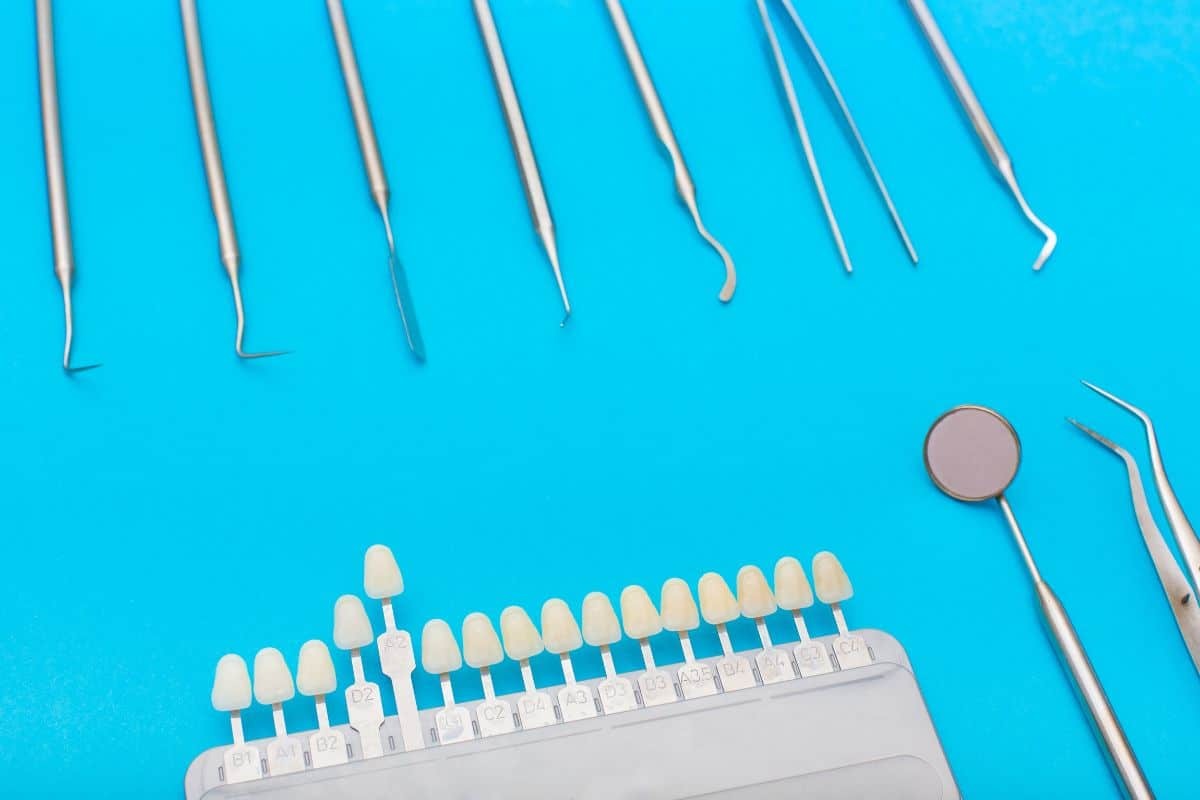
A confident smile often begins with healthy teeth and gums. Dental veneers are widely known for improving the appearance of chipped, stained, or uneven teeth. Yet many patients still wonder how veneers interact with gum tissue. This is a valid concern because gums play a crucial role in maintaining long-term oral health. Understanding the relationship between veneers and gum health can help you make informed decisions about cosmetic dental treatments.
When properly designed and placed, veneers are intended to work harmoniously with your natural teeth and surrounding gum tissue. Most people experience no negative gum effects when the treatment is planned carefully and oral hygiene is maintained consistently.
Understanding How Veneers Interact With Your Gums
Veneers are thin, custom-made shells typically bonded to the front surface of teeth. Their goal is to enhance aesthetics while preserving as much natural tooth structure as possible.
Because veneers sit near the gumline, precision during placement is essential. When properly fitted, veneers should:
- Sit flush against the tooth surface
- Avoid irritating the gum tissue
- Allow normal brushing and flossing
- Maintain the natural gum contour
Poorly fitted restorations can trap plaque or create uneven edges, which may lead to gum inflammation. However, modern dental technology and careful planning have greatly minimized these risks.
Can Veneers Cause Gum Problems?
In most cases, veneers do not harm gum health. Problems typically arise only when certain factors are present.
1. Poor Oral Hygiene
Just like natural teeth, veneers require consistent oral care. Plaque buildup around the gumline can lead to gingivitis regardless of whether veneers are present.
Healthy habits include:
- Brushing twice daily
- Flossing carefully along the gumline
- Regular dental cleanings
- Using a soft-bristled toothbrush
2. Improper Veneer Placement
When veneers extend too far below the gumline or create rough margins, gums may become irritated. Skilled cosmetic dentistry focuses on designing veneers that align naturally with the gum contour.
3. Existing Gum Disease
Patients with untreated gum disease may notice inflammation after cosmetic treatments. Healthy gums provide the best foundation for veneers.
Signs Your Gums Are Responding Well to Veneers
Healthy gum tissue around veneers should look and feel similar to gums around natural teeth.
Typical signs of healthy gums include:
- Light pink color
- Firm texture
- No bleeding during brushing or flossing
- No swelling or tenderness
If gums appear red, swollen, or sensitive after a veneer procedure, a dental evaluation may help determine the cause.
How Modern Veneer Techniques Protect Gum Health
Advances in cosmetic dentistry have improved the safety and comfort of veneer procedures. Digital smile design, high-precision impressions, and advanced bonding materials allow dentists to create restorations that blend naturally with surrounding tissues.
Patients undergoing our veneers procedure in Paradise Valley, AZ often benefit from customized planning that prioritizes both aesthetics and periodontal health. The goal is not only to improve the smile but also to maintain a healthy balance between teeth, gums, and bite alignment.
Gum Health Tips After Getting Veneers
Protecting your gums after veneer placement requires only a few simple habits.
Daily Care Tips
- Use gentle brushing techniques near the gumline
- Floss daily to prevent plaque buildup
- Avoid aggressive brushing that may irritate gum tissue
- Attend routine dental checkups
Lifestyle Habits That Support Healthy Gums
- Maintain a balanced diet rich in vitamins
- Stay hydrated to support oral tissues
- Avoid tobacco products
- Manage teeth grinding if present
Healthy gums not only support veneers but also protect the longevity of natural teeth.
Veneers and Gum Health: Key Statistics
| Factor | Insight |
|---|---|
| Veneer success rate | Studies report success rates above 90% over 10+ years |
| Gum irritation cases | Rare when veneers are properly placed |
| Plaque risk | Similar to natural teeth when oral hygiene is maintained |
| Patient satisfaction | Very high when aesthetics and gum health are preserved |
These statistics highlight that gum health problems are uncommon when veneers are planned and maintained correctly.
Trending FAQs About Veneers and Gum Health
Do veneers cause gum recession?
Veneers themselves do not cause gum recession. Recession usually results from aggressive brushing, gum disease, or genetics.
Can veneers irritate the gums?
Temporary irritation may occur after placement, but this typically resolves quickly once gums adapt to the restoration.
How do I clean veneers near my gums?
Brush gently along the gumline and floss daily. Good hygiene keeps both veneers and gums healthy.
Are gums reshaped during veneer procedures?
Sometimes minor gum contouring is done to improve smile symmetry. This is carefully planned to maintain healthy tissue.
Can veneers trap bacteria?
Properly fitted veneers do not trap bacteria. Smooth edges and correct placement prevent plaque buildup.
Choosing the Right Dental Professional
The success of veneers often depends on careful treatment planning and attention to detail. A skilled dental professional evaluates gum health, bite alignment, and tooth structure before recommending cosmetic improvements.
If you are searching for a cosmetic dentist near you, choosing someone who prioritizes gum health and precise veneer placement can make a significant difference in the final results.
Veneers can transform the appearance of a smile while preserving healthy gum tissue when they are designed and placed correctly. Proper oral hygiene, routine checkups, and careful treatment planning help ensure that gums remain strong and irritation-free. When veneers complement natural tooth anatomy, they can provide both aesthetic improvement and long-term oral harmony. If you are considering enhancing your smile, schedule an appointment today to discuss whether veneers may be the right option for your dental goals.
Recent Posts

May 19, 2026
Why Do I Keep Getting Bumps On My Tongue?

May 12, 2026
Mamelons Normal on Adult Teeth? What to Know

May 5, 2026
How to Manage Metallic Taste After Getting Implants?
April 24, 2026
Can I Get Dentures if I Have Sensitive Gums?
April 17, 2026