
Overview Of Implant Placement

The Surgical Procedure
In a routine case, the entire appointment should last approximately 45 to 60 minutes. However, the number of appointments and time required vary from patient to patient. The surgeon will bring great precision and attention to the details of your case.
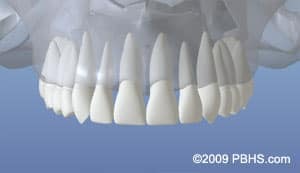
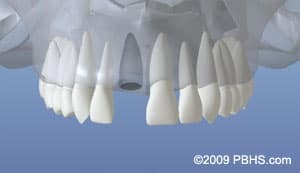
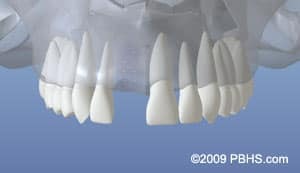
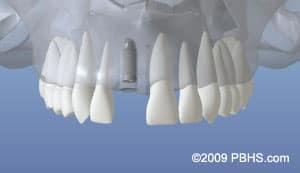
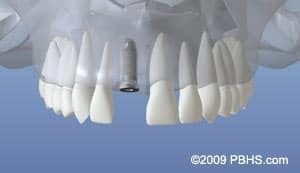
A local anesthetic will be administered to numb the area where the implant will be placed. When you are comfortable, Dr. Fialkoff will make a small incision in the gum tissue and, using a series of special equipment, prepares the bone and gently inserts the dental implant. The top of this implant may be visible through the gum, and sometimes the implant is covered by the gum tissue with a suture closing the surgical site. Many patients are often surprised by the ease and routine flow of the procedure. They are surprised by the lack of discomfort following the procedure.
The Healing Phase
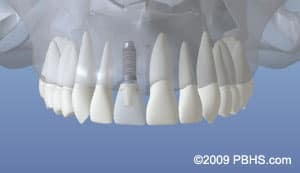
Now the healing begins. Most implants can be restored within 3-4 months. However, the length of time varies from person to person, depending upon the quality and quantity of bone. In some cases, implants may be restored immediately after they are placed. Dr. Fialkoff will advise you on follow-up care and timing. After the initial healing phase, an abutment (support post) or a healing cap is placed onto the implant during a brief follow-up visit. This allows gum tissue to mature and provides access to the implant.
Occasionally, it may be beneficial to perform a soft tissue graft to obtain stronger, more easily cleaned, and natural-looking gum tissue in the area around the implant. This process involves moving a small amount of gum tissue from one part of your mouth to the area around the implant. Most often, it is a brief and relatively comfortable procedure.
Whether it’s one tooth or all of your teeth that are being replaced, your dentist will complete the restoration by fitting the replacement tooth (crown) to the dental implant.
Occasionally, it may be beneficial to perform a soft tissue graft to obtain stronger, more easily cleaned and natural appearing gum tissue in the area around the implant. This process involves moving a small amount of gum tissue from one part of your mouth to the area around the implant. Most often, it is a brief and relatively comfortable procedure.
When Are Dental Implants Placed?
Implants are often placed several months after extraction. At times, an implant may be placed immediately after the extraction of a tooth. This saves you a visit, and you won’t have to wait a few months to place the implant. When infection or other problems with the bone are present, immediate implant placement is not done.
If your tooth has been missing for some time, the adjacent support bone is likely to grow thinner and shrink. This occurs because the root of the natural tooth has to be present to stimulate the bone. If you are missing enough bone, you may need additional bone grafting or a ridge augmentation to bulk out the bone. This ensures the implant is adequately supported when placed in the jaw.
How Many Implants Do I Need?
Most frequently, one implant per missing tooth is placed. Because many of the larger teeth in the back of your jaws have two or three roots, the most common approach is to replace missing back teeth with larger implants.
Your Teeth Deserve Superior Care
Dr. Fialkoff offers a number of dental treatments that can keep your mouth healthy and your smile beautiful. Contact us today!